Clinical Report: Comprehensive Pain Management Strategies for Pediatric Arthritis
Overview
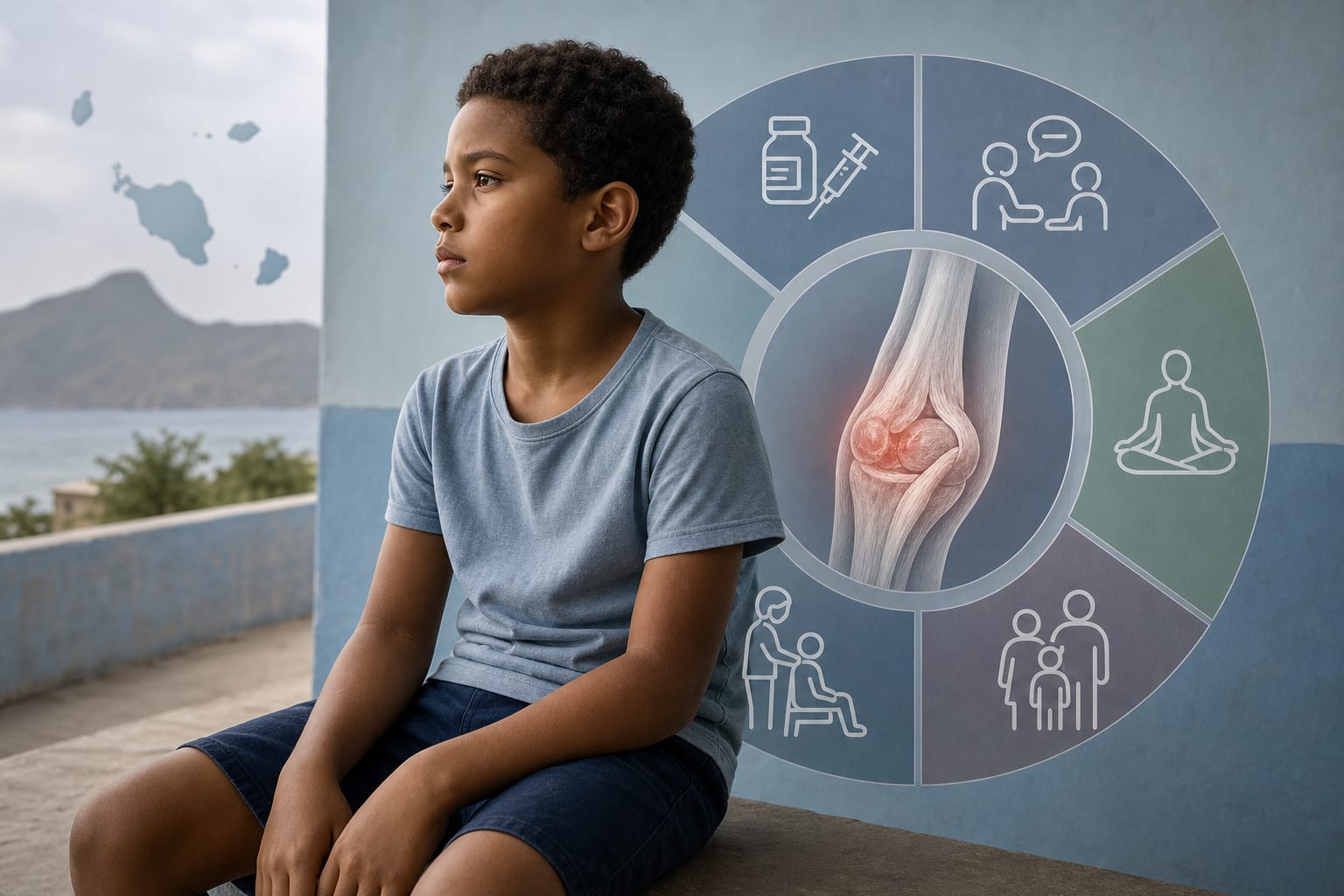
This case study details the management of a 10-year-old male with enthesitis-related juvenile idiopathic arthritis (JIA) who experienced severe pain and functional impairment. A multidisciplinary approach combining pharmacological and non-pharmacological interventions was employed during a nine-month hospitalization.
Background
Juvenile idiopathic arthritis (JIA) is the most common chronic rheumatic disease in children, significantly affecting their quality of life and functional abilities. Pain management in JIA is complex, necessitating a multidisciplinary approach that addresses biological, psychological, and social factors.
Data Highlights
No numerical data or trial data was provided in the source material.
Key Findings
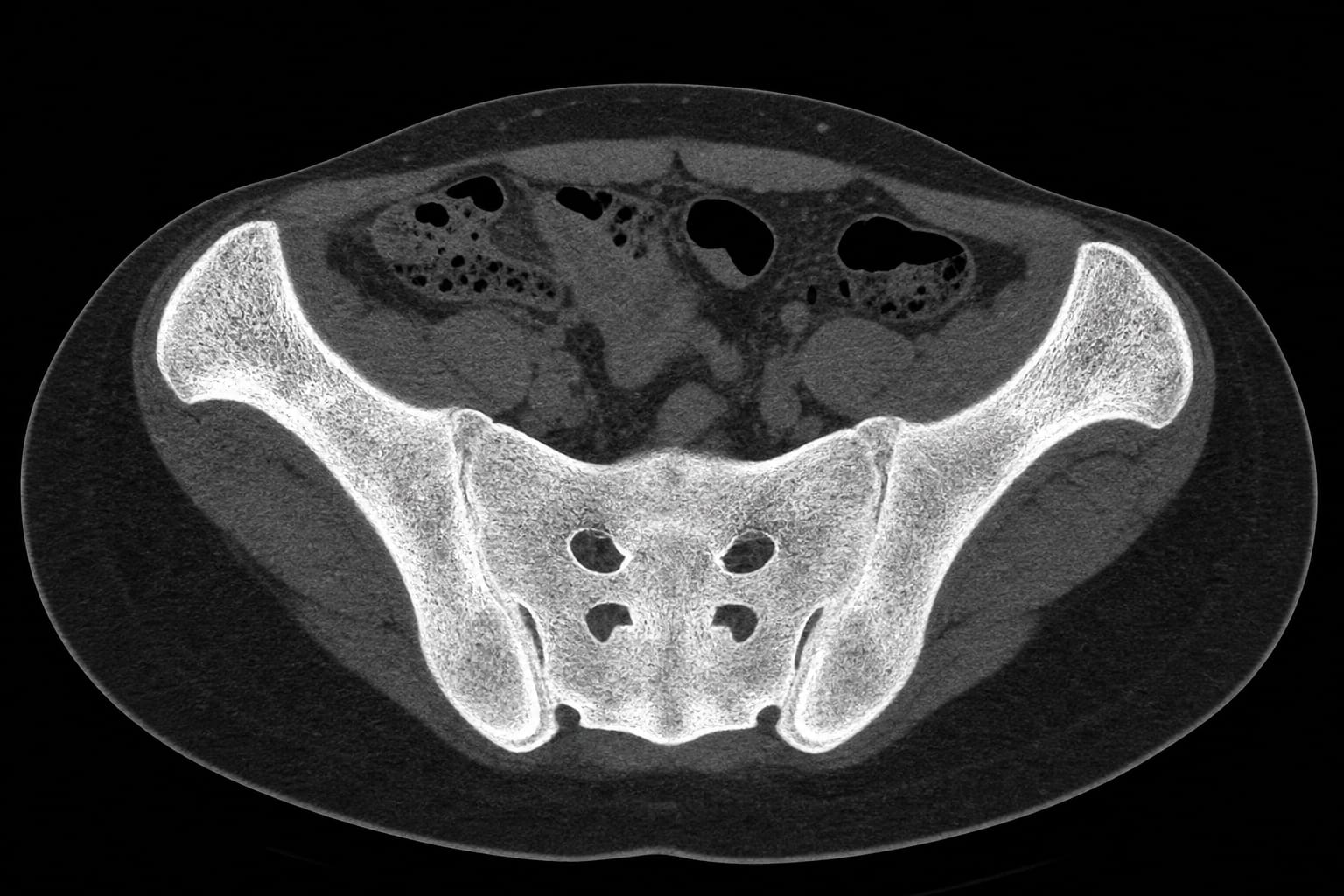
The patient was diagnosed with enthesitis-related JIA, confirmed by laboratory and imaging tests.
During hospitalization, both pharmacological and non-pharmacological interventions were implemented.
The patient experienced recurrent episodes of pain.
Family involvement and psychosocial factors influenced the patient's pain experience.
Referral for biologic therapy was considered due to ongoing pain management challenges.
Clinical Implications
Healthcare teams should consider both pharmacological and psychosocial interventions to address the complex needs of pediatric patients with JIA.
Conclusion
This case report highlights the challenges of managing chronic pain in JIA.
by Deisa Salyse dos Reis Cabral Semedo, Sandra de Sousa Lobo, Neusa Alfreda Mendonça Soares de Carvalho, Celestina Barros Martins, Elisabete Moreno Barros, Denise Castro Cardoso, Diva Elci dos Reis Cabral
Investigational inhibitor was not associated with treatment-related serious adverse events and produced biomarker changes consistent with pathway inhibition in healthy volunteers.