Clinical Report: Combining PET/MRI Imaging and Liquid Biopsy for Cancer Biology
Overview
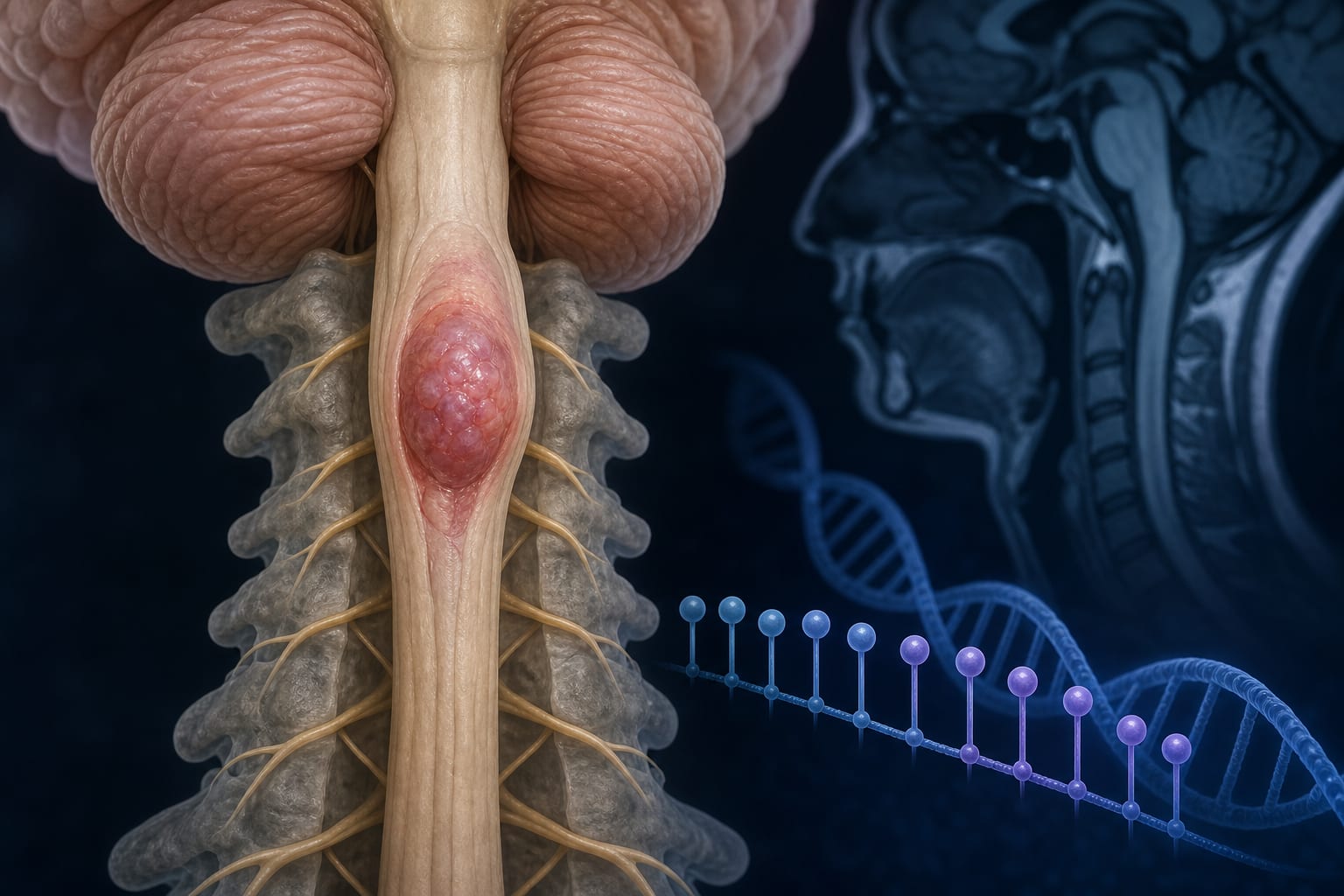
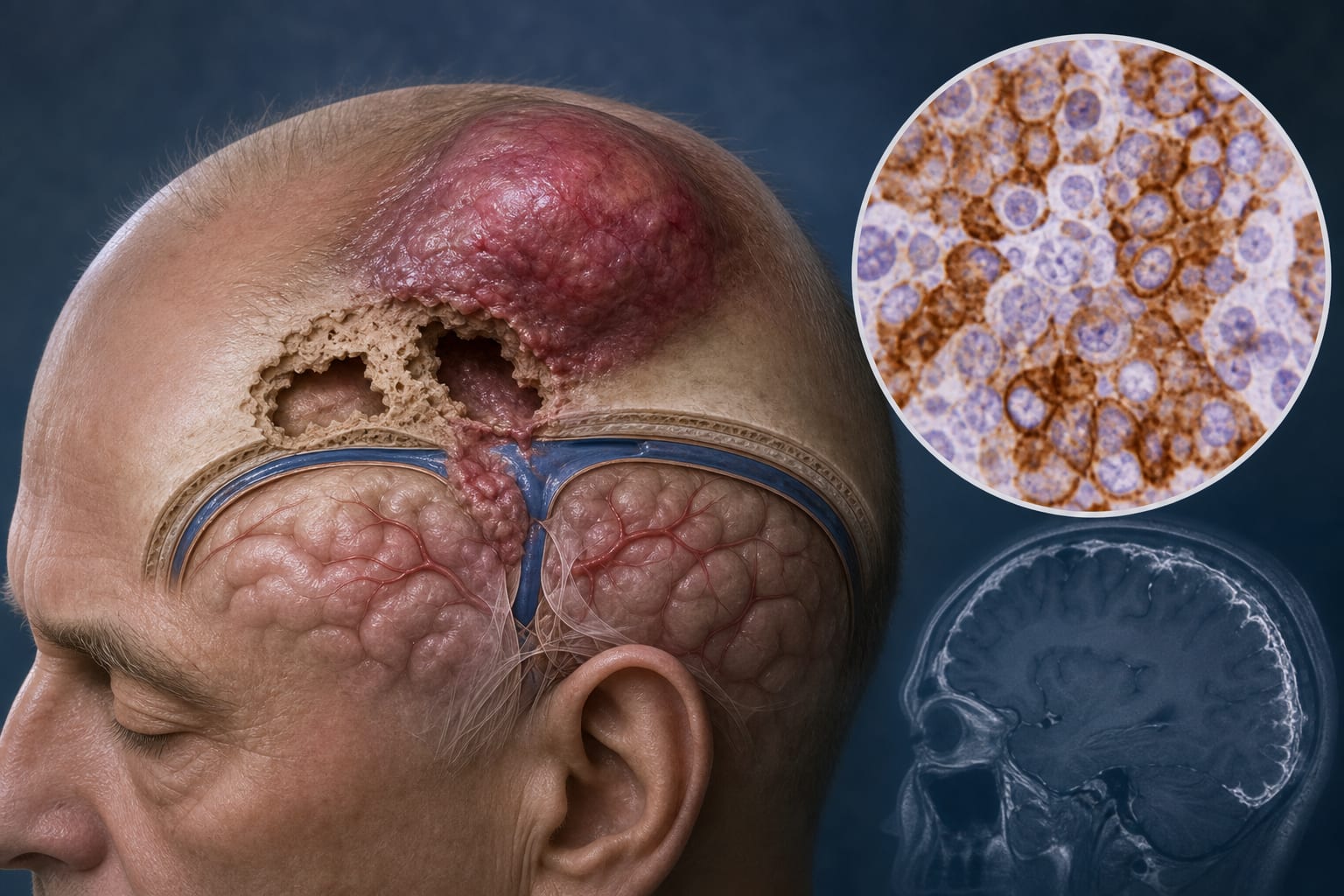
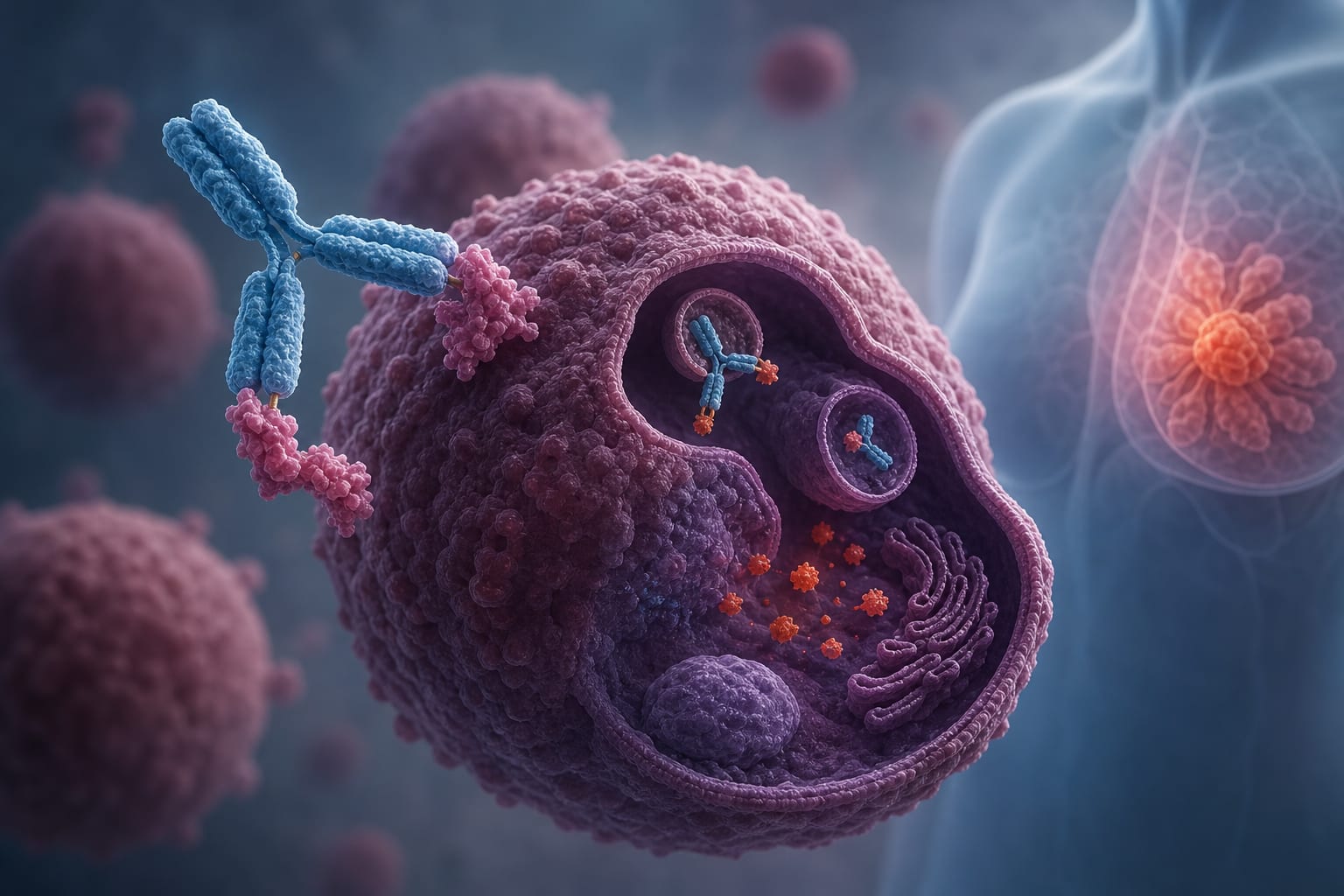
The integration of PET/MRI imaging with liquid biopsy offers a comprehensive approach to understanding tumor biology. This synergy enhances clinical decision-making by improving early diagnosis, monitoring treatment efficacy, and addressing drug resistance.
Background
Cancer remains a leading cause of mortality globally, characterized by its systemic complexity and heterogeneity. Traditional diagnostic methods often fail to capture the dynamic nature of tumors, necessitating innovative approaches. The combination of PET/MRI and liquid biopsy represents a promising strategy to provide a more complete view of cancer biology.
Data Highlights
No specific numerical data provided in the article.
Key Findings
The integration of PET/MRI and liquid biopsy can enhance early diagnosis and localization of tumors.
This approach allows for dynamic monitoring of treatment efficacy and tracking of drug resistance.
Current evidence supporting this integration is primarily from retrospective studies.
Challenges include the need for standardized protocols and efficient computational models for data integration.
Advancements in artificial intelligence may facilitate overcoming existing technical hurdles.
Clinical Implications
Healthcare professionals should consider the combined use of PET/MRI and liquid biopsy to improve patient outcomes in oncology. This integrated approach may lead to more personalized treatment strategies and better management of tumor heterogeneity.
Conclusion
The fusion of PET/MRI imaging with liquid biopsy represents a significant advancement in cancer diagnostics, with the potential to transform clinical practice. Continued research and validation are essential to fully realize its benefits.