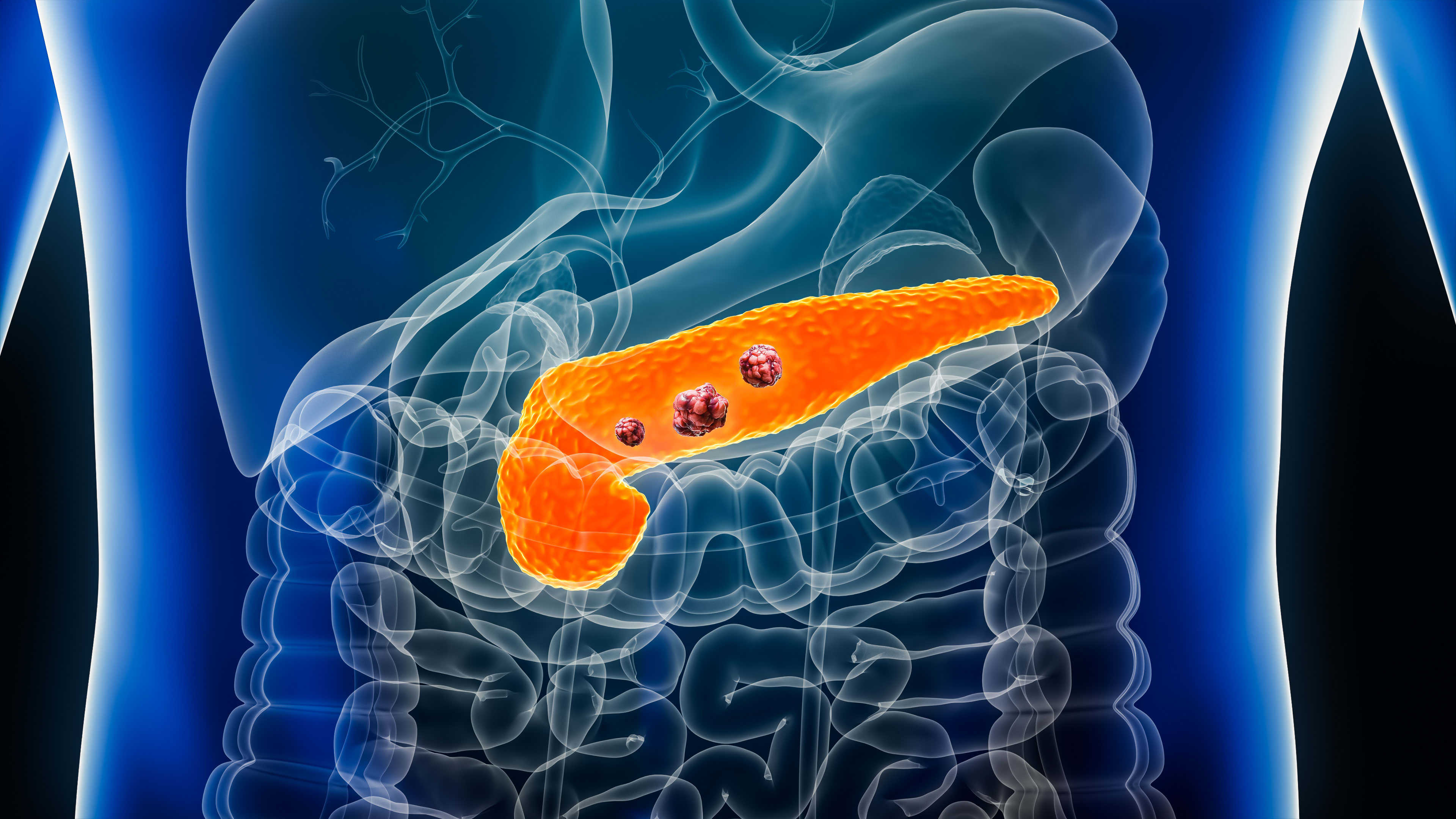
Clinical Report: Impact of Clinically Relevant Intra-Abdominal Collections Post-Pancreaticoduodenectomy
Overview
Clinically relevant intra-abdominal collections (CR-IC) after pancreaticoduodenectomy (PD) are associated with increased postoperative complications, including severe outcomes such as sepsis and hemorrhage. Elevated postoperative C-reactive protein (CRP) levels may serve as predictive markers for CR-IC, aiding early identification and management.
Background
Pancreaticoduodenectomy is a complex surgical procedure with postoperative complication rates ranging from 25 to 65%. Intra-abdominal collections (IC) are common postoperative occurrences that may be linked to anastomotic leaks and infections. The clinical significance of ICs remains debated, with incidences reported between 6 and 11%. Understanding the impact of clinically relevant ICs (CR-IC) and their association with postoperative pancreatic fistula (POPF) is crucial for improving patient outcomes.
Data Highlights
The study retrospectively analyzed adult patients undergoing open PD from 2012 to 2017, categorizing them into CR-IC and non-CR-IC groups. CRP levels were measured on postoperative days 3 and 5 to evaluate their predictive value for CR-IC. Computed tomography was utilized selectively based on clinical suspicion. Drain management was individualized based on clinical and biochemical parameters.
Key Findings
CR-ICs are linked to more severe postoperative complications, including systemic inflammatory response syndrome and sepsis.
CR-IC often necessitates interventions such as antibiotics, drainage procedures, or surgery.
Postoperative CRP elevation correlates with the development of CR-IC, suggesting its utility as a predictive biomarker.
Current POPF severity classifications do not adequately account for the presence of intra-abdominal collections.
Management strategies focusing on early detection and treatment of CR-IC can potentially reduce morbidity and mortality after PD.
Clinical Implications
Monitoring postoperative CRP levels can facilitate early identification of patients at risk for clinically relevant intra-abdominal collections, allowing timely intervention. Incorporating CR-IC assessment into postoperative management protocols may improve outcomes by addressing complications such as infected POPF and preventing progression to severe systemic conditions.
Conclusion
Clinically relevant intra-abdominal collections significantly impact postoperative morbidity following pancreaticoduodenectomy. Utilizing CRP as a predictive tool and recognizing CR-IC as a distinct clinical entity can enhance patient management and reduce severe complications.
References
ISGPS 2016 -- Definition and grading of postoperative pancreatic fistula
ISGPS 2007 -- Delayed gastric emptying after pancreatic surgery
Studies 2012-2017 -- Incidence and impact of intra-abdominal collections post-PD
by Pablo Lopez, Elizabeth Pando, Nuria Ortega-Torrecilla, Noelia Puertolas, Montse Adell, Nair Fernandes, Daniel Herms, Marta Barros, Laia Blanco, Joaquim Balsells, Ramon Charco