Clinical Report: T1 Rhizotomy for Hand Flexion Spasticity After Stroke
Overview
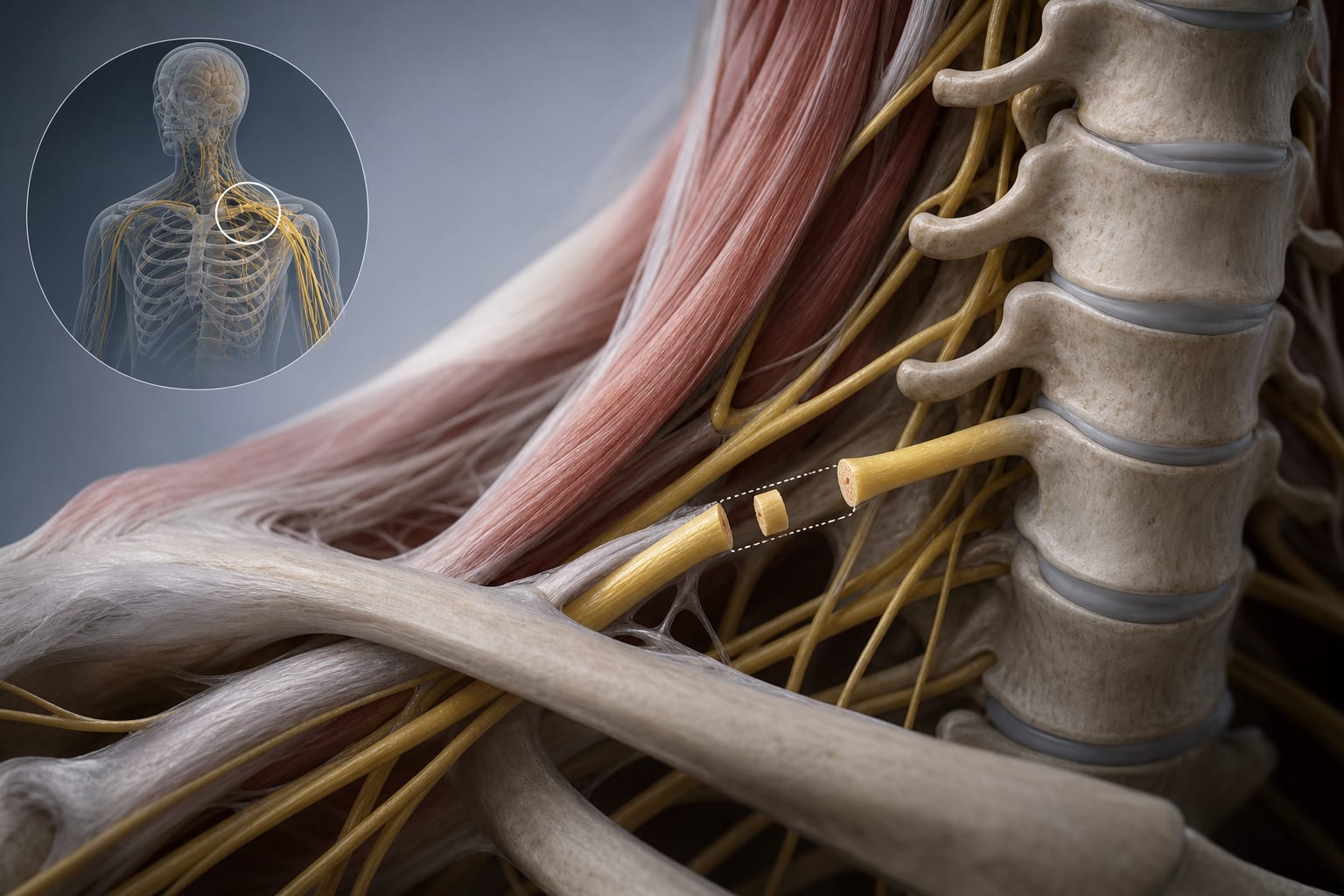
This study evaluates T1 rhizotomy as a surgical intervention for hand flexion spasticity in stroke patients. Results indicate significant reductions in spasticity and improvements in hand function among 15 patients over a one-year follow-up period.
Background
Hand flexion spasticity is a prevalent and debilitating consequence of stroke, severely impacting patients' quality of life and daily functioning. Traditional management strategies, including rehabilitation and pharmacological treatments, often yield inadequate results, necessitating the exploration of surgical options. T1 rhizotomy presents a novel approach that may offer a targeted solution for this challenging condition.
Data Highlights
Measure
Preoperative Mean
Postoperative Mean
P-value
MAS Score
3.07 ± 0.59
1.20 ± 0.86
< 0.001
HFC Grade
1.07 ± 0.26
2.73 ± 0.88
< 0.001
QuickDASH Score
52.47 ± 6.01
34.00 ± 7.97
< 0.001
Barthel Index
66.73 ± 4.30
83.00 ± 5.26
< 0.001
Key Findings
T1 rhizotomy was performed successfully in all 15 patients without major complications.
Mean MAS score decreased significantly from 3.07 to 1.20 postoperatively.
Mean HFC grade improved from 1.07 to 2.73, indicating enhanced hand function.
QuickDASH scores showed a significant improvement from 52.47 to 34.00.
Barthel Index scores increased from 66.73 to 83.00, reflecting better daily living activities.
Clinical Implications
T1 rhizotomy may serve as a viable surgical option for patients with post-stroke hand flexion spasticity, offering significant improvements in spasticity and hand function. Clinicians should consider this approach for patients who do not respond adequately to conventional therapies.
Conclusion
The findings suggest that T1 rhizotomy is a safe and effective intervention for managing hand flexion spasticity after stroke. Further research with larger cohorts and longer follow-up is necessary to validate these results.