Clinical Report: The Role of Gut Microbiota in Acute Kidney Injury Related to Sepsis
Overview
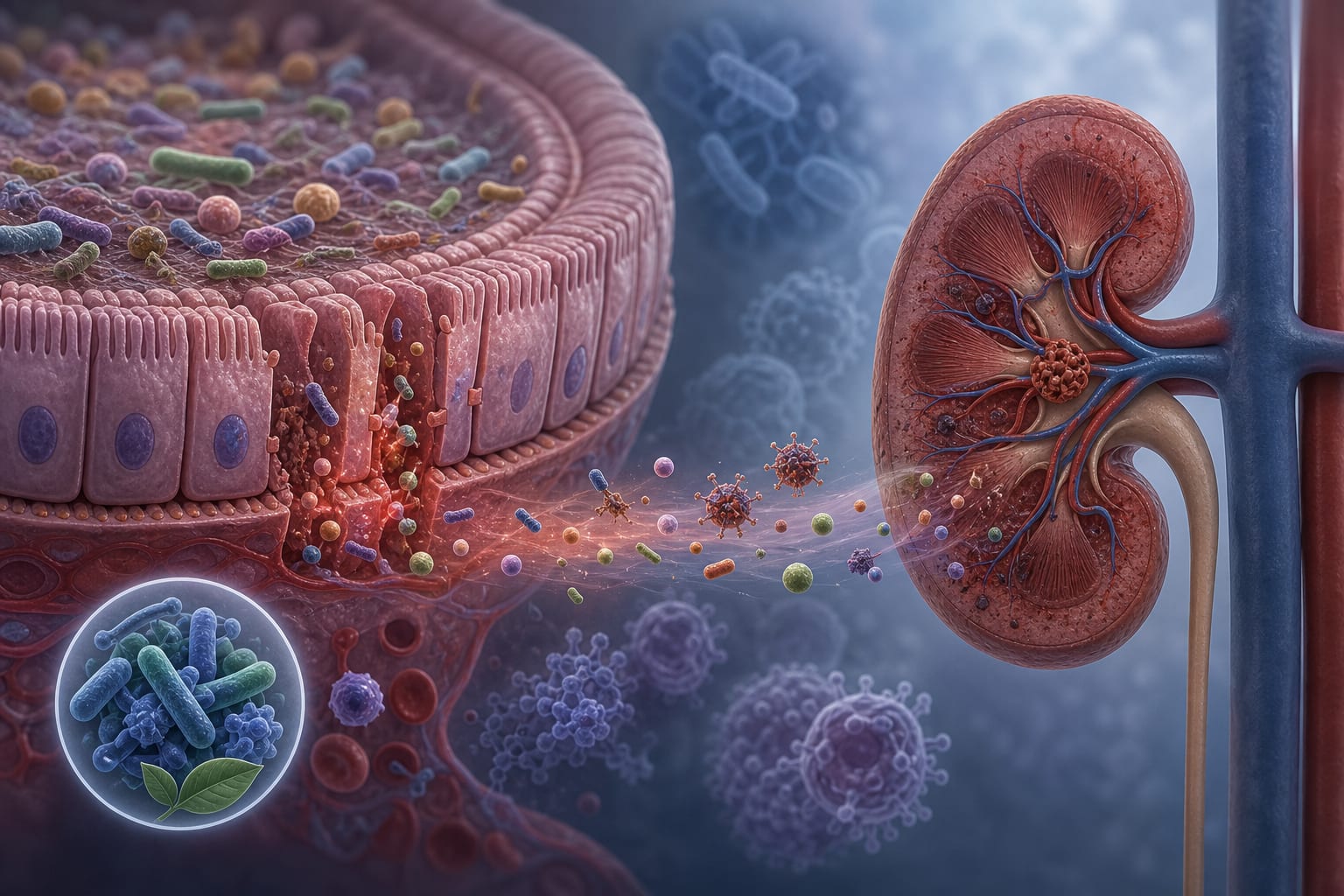
This review highlights the significant role of gut microbiota dysbiosis in the development of sepsis-associated acute kidney injury (SA-AKI). It emphasizes the gut-kidney axis as a critical pathway influencing renal function during sepsis.
Background
Sepsis is a leading cause of organ dysfunction and mortality in ICU patients, with SA-AKI occurring in 40-50% of cases. Understanding the mechanisms linking gut dysbiosis and renal injury is crucial for developing targeted therapies. The gut-kidney axis suggests a bidirectional relationship where gut health impacts kidney function and vice versa.
Data Highlights
This review synthesizes findings from various studies on gut-kidney interactions in SA-AKI, focusing on microbial diversity and the impact of gut-derived metabolites on renal inflammation.
Key Findings
Sepsis induces gut dysbiosis, characterized by reduced microbial diversity and increased pathobionts.
Gut dysbiosis compromises intestinal barrier integrity, allowing bacterial products like lipopolysaccharide (LPS) to enter circulation.
Activation of the TLR4/NF-κB pathway leads to renal tubular injury and impaired function.
Specific microbial signatures associated with AKI include increased Clostridium asparagiforme and decreased Roseburia spp.
Gut-derived metabolites such as indoxyl sulfate and trimethylamine N-oxide (TMAO) contribute to renal inflammation and fibrosis.
Therapeutic strategies targeting the gut microbiota, including fecal microbiota transplantation and probiotic supplementation, may offer new avenues for treatment.
Clinical Implications
Clinicians should consider the role of gut health in managing patients with sepsis and SA-AKI. Interventions targeting gut microbiota may provide novel therapeutic options to mitigate renal injury in these patients.
Conclusion
The interplay between gut microbiota and kidney function is critical in SA-AKI, highlighting the potential for gut-targeted therapies in sepsis management.