Clinical Report: Perinatal Exposure to Morphine Alters Chromatin Structure
Overview
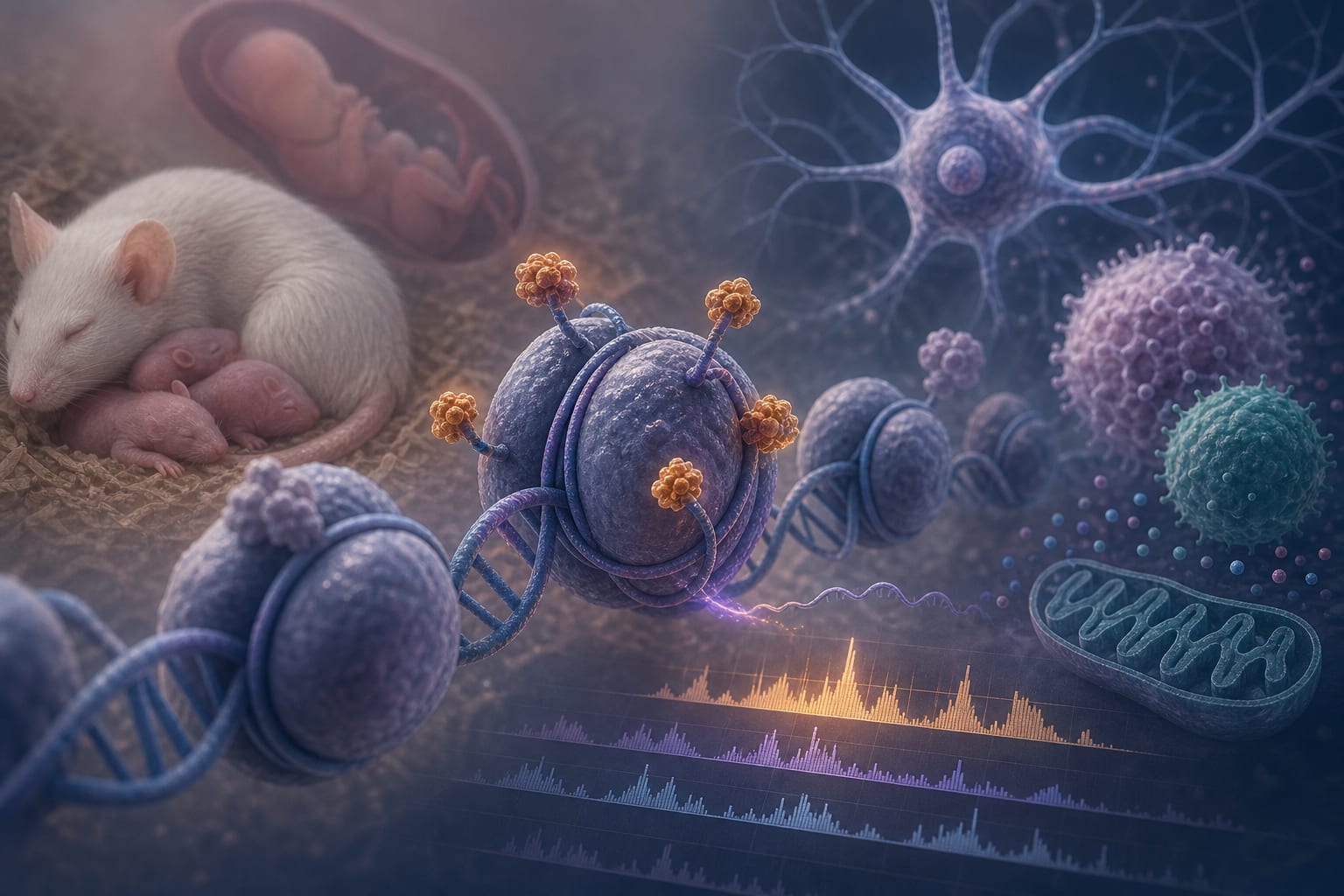
This study investigates the long-term effects of perinatal opioid exposure on gene expression and immune function using a mouse model of Neonatal Opioid Withdrawal Syndrome (NOWS). Findings indicate that morphine exposure leads to significant changes in chromatin structure and gene expression, particularly affecting immune and metabolic pathways.
Background
The opioid epidemic has significant implications for pregnant women and their infants, with increasing rates of Neonatal Opioid Withdrawal Syndrome (NOWS). Understanding the effects of perinatal opioid exposure is crucial, as it may lead to cognitive and behavioral deficits in affected children. This study aims to elucidate the molecular mechanisms underlying these developmental consequences.
Data Highlights
No numerical data or trial data provided in the source material.
Key Findings
Perinatal morphine exposure alters chromatin structure in hypothalamic neurons.
Different genes related to immune and metabolic pathways were differentially expressed in morphine-exposed mice.
Transcription factor 4 (TCF4) was identified as a key regulatory hub under immune-challenged conditions.
Cytokine levels were suppressed in morphine-exposed mice both at baseline and during immune challenges.
Physiological changes included alterations in weight and basal body temperature in morphine-exposed mice.
Clinical Implications
These findings indicate potential lasting changes due to perinatal opioid exposure, which may influence immune and metabolic functions.
Conclusion
The study provides insights into the consequences of perinatal opioid exposure.