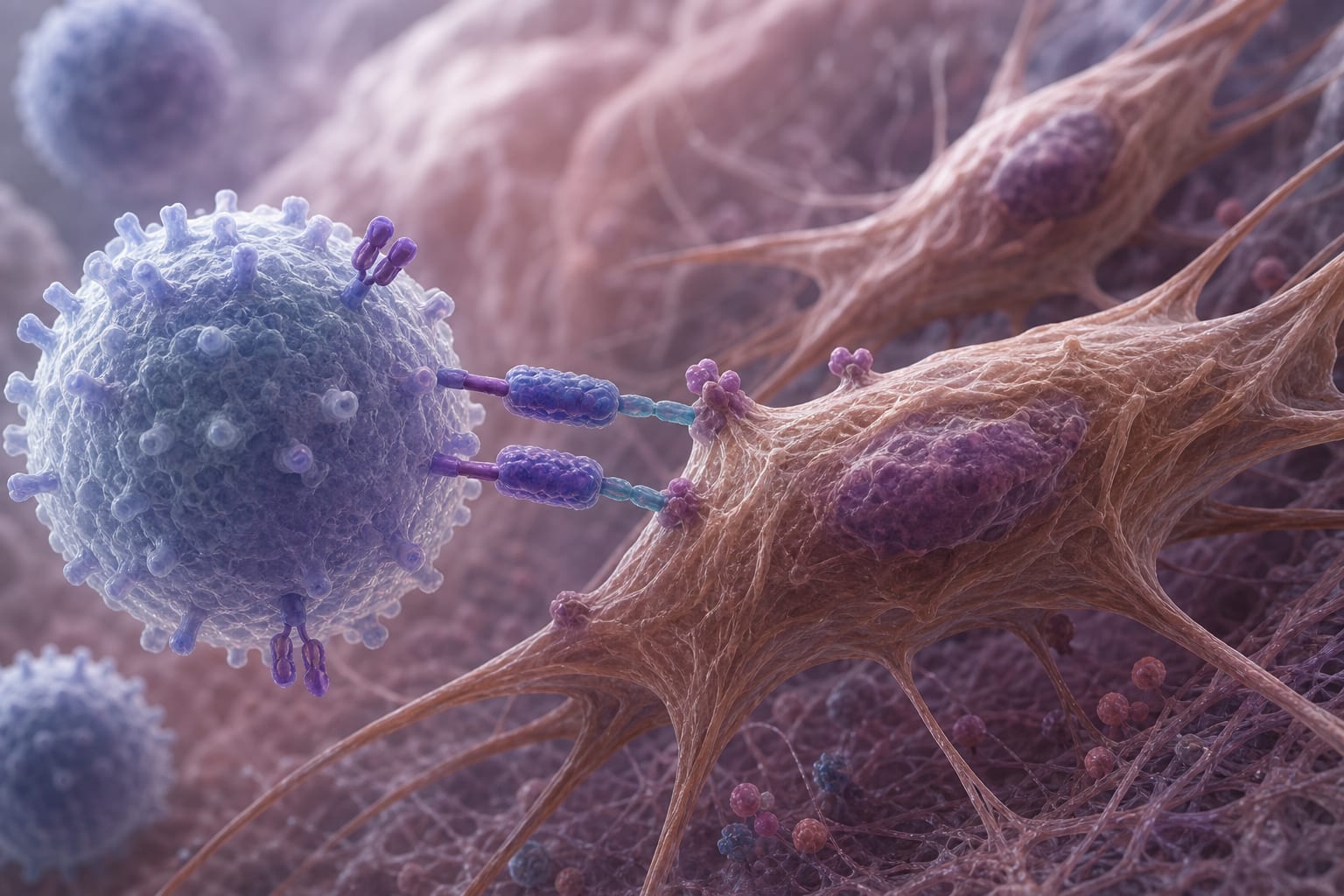
Clinical Report: Effectiveness and Safety of Upadacitinib for Treating RA
Overview
Upadacitinib, a JAK1 inhibitor, shows significant efficacy in improving ACR20 response rates in rheumatoid arthritis patients. However, higher doses are associated with increased adverse events, suggesting a careful consideration of dosage in clinical practice.
Background
Rheumatoid arthritis (RA) is a prevalent autoimmune disease that can lead to significant joint damage and disability if not effectively managed. While conventional therapies like methotrexate are first-line treatments, many patients do not achieve adequate responses, necessitating the exploration of alternative therapies. Upadacitinib represents a promising oral treatment option that targets inflammatory pathways, potentially improving patient outcomes.
Data Highlights
Dosage
ACR20 Response Odds Ratio (OR)
P-value
15 mg
4.09 (95% CI 3.51–4.76)
< 0.00001
30 mg
3.61 (95% CI 2.88–4.52)
< 0.00001
Key Findings
Both 15 mg and 30 mg doses of upadacitinib significantly improved ACR20 response rates at 12 weeks compared to control.
No significant difference in efficacy was observed between the 15 mg and 30 mg doses.
Upadacitinib was associated with an increased risk of adverse events, with a dose-dependent trend.
The incidence of serious infections and herpes zoster was higher in the 30 mg group.
15 mg dosage may offer a more favorable benefit-risk balance compared to 30 mg.
Clinical Implications
Clinicians should consider the efficacy of upadacitinib in achieving treatment goals for RA while being mindful of the associated risks, particularly at higher doses. The 15 mg regimen may be preferable for balancing efficacy and safety in patients requiring escalation of therapy.
Conclusion
Upadacitinib demonstrates significant efficacy in treating RA, but careful dosage selection is crucial to minimize adverse events. Further research is needed to assess long-term safety and efficacy in diverse patient populations.