Clinical Report: Utilizing AI Techniques for Predicting Schizophrenia
Overview
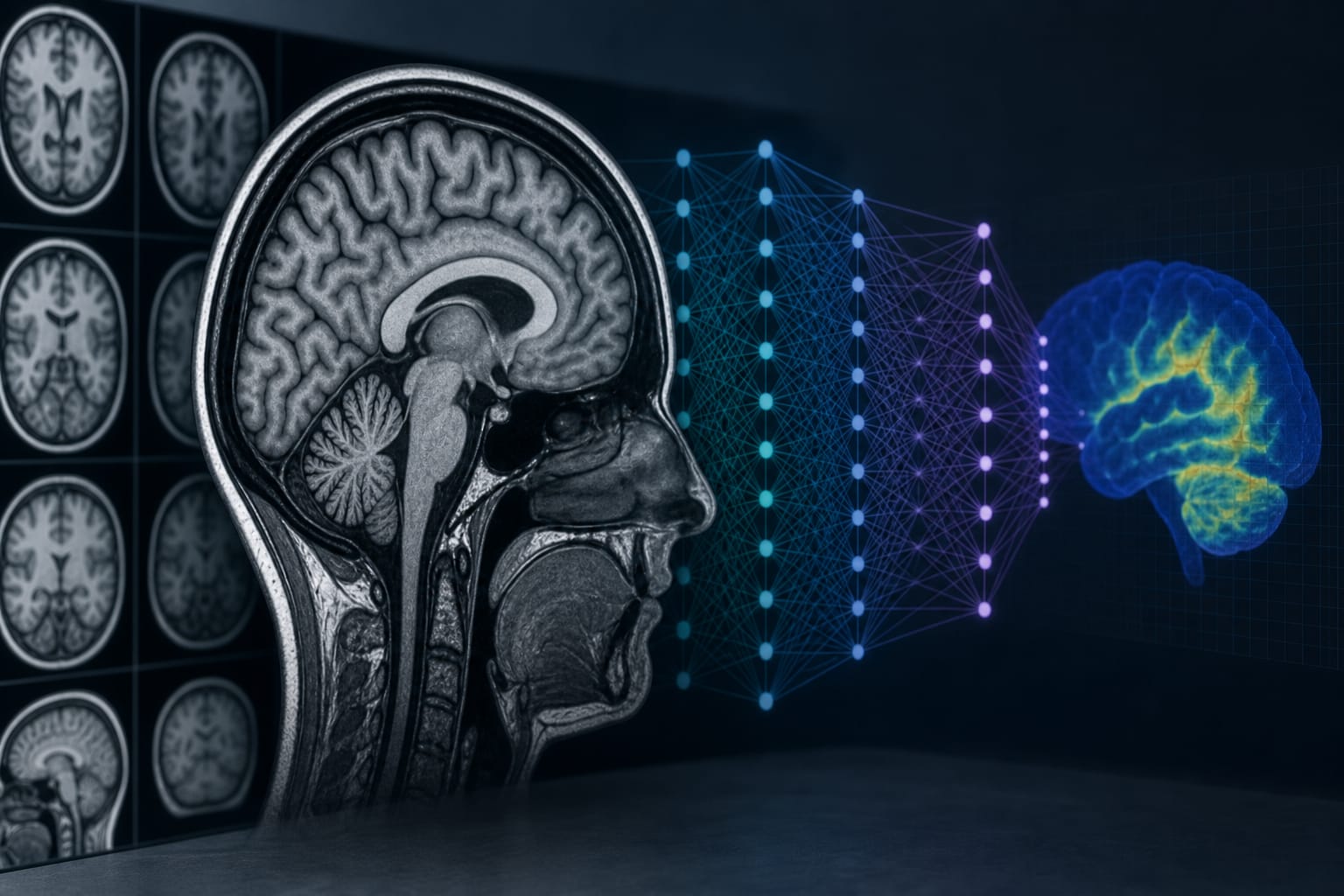
This review evaluates the use of artificial intelligence methodologies in predicting schizophrenia through medical imaging data. It highlights advancements in diagnostic accuracy and identifies key biomarkers while addressing existing challenges in the field.
Background
Schizophrenia is a severe mental illness that significantly impacts social interactions and ranks among the top causes of global disability. Current diagnostic methods, including MRI and EEG, are limited and costly, emphasizing the need for improved predictive strategies. The integration of artificial intelligence, particularly machine learning and deep learning, offers potential advancements in early diagnosis and management of schizophrenia.
Data Highlights
No specific numerical data or trial results were provided in the source material.
Key Findings
AI methodologies, including machine learning and deep learning, enhance predictive accuracy for schizophrenia.
Five unimodal and various multimodal data combinations were analyzed for their effectiveness in diagnosis.
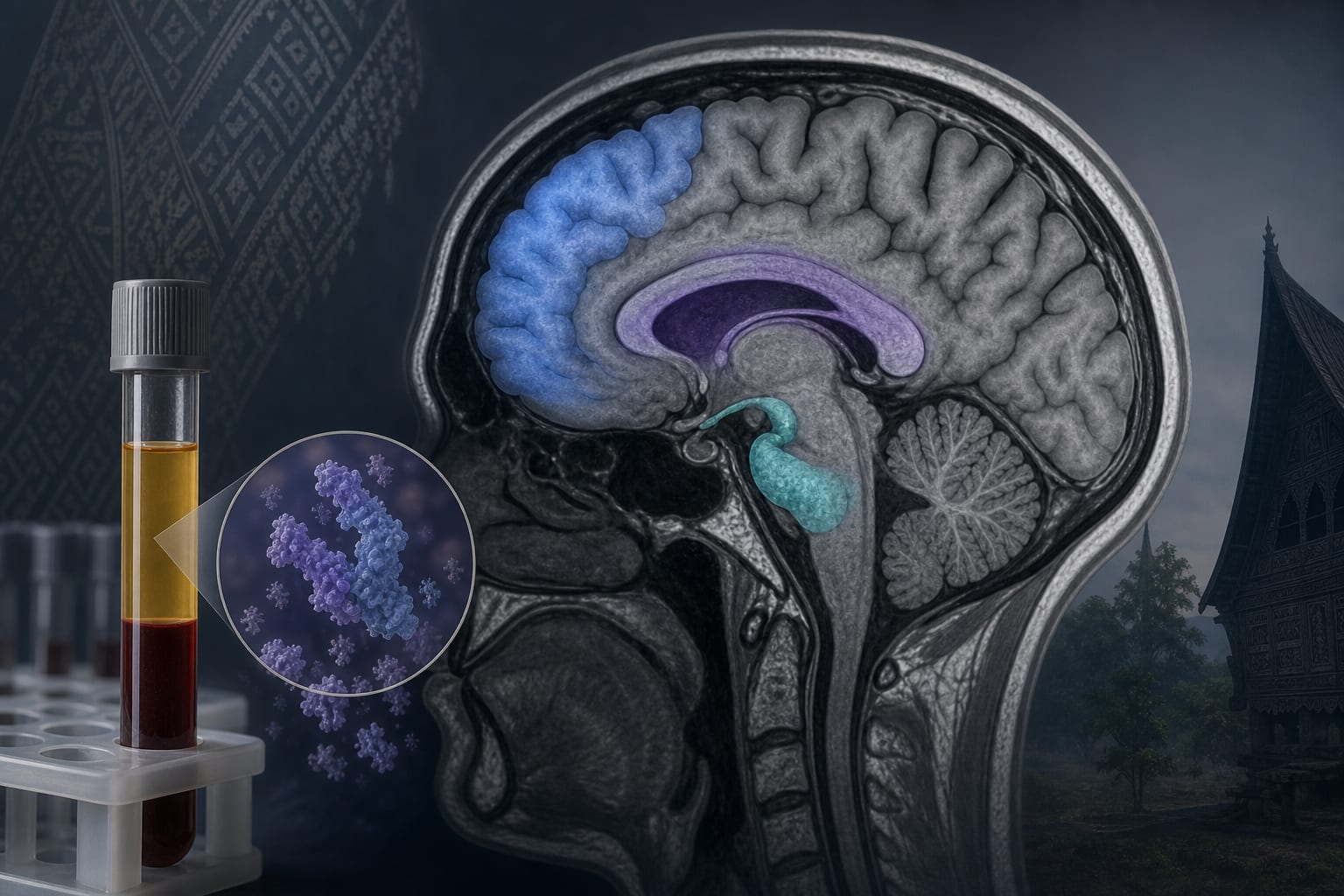
Identifying biomarkers through neuroimaging can improve diagnostic precision.
Current AI models face challenges in generalizability and reproducibility across different datasets.
There is a significant financial burden associated with schizophrenia, highlighting the need for effective predictive tools.
Clinical Implications
Healthcare professionals should consider the potential of AI in improving diagnostic accuracy for schizophrenia. However, the limitations of current models must be acknowledged, and further research is needed to validate these approaches in clinical settings.
Conclusion
The review underscores the promise of AI in enhancing schizophrenia diagnosis but also highlights the need for ongoing research to address existing challenges and improve clinical applicability.