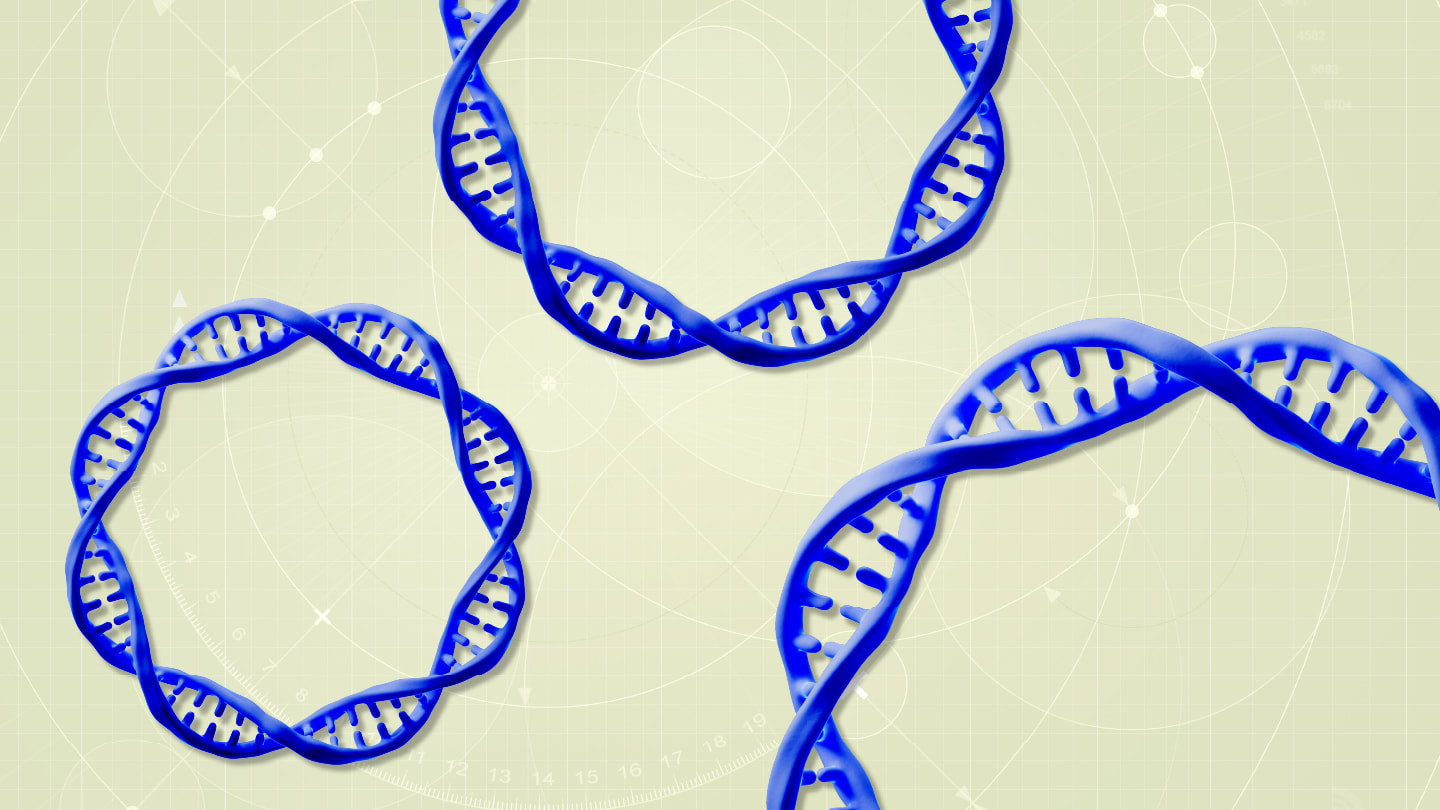
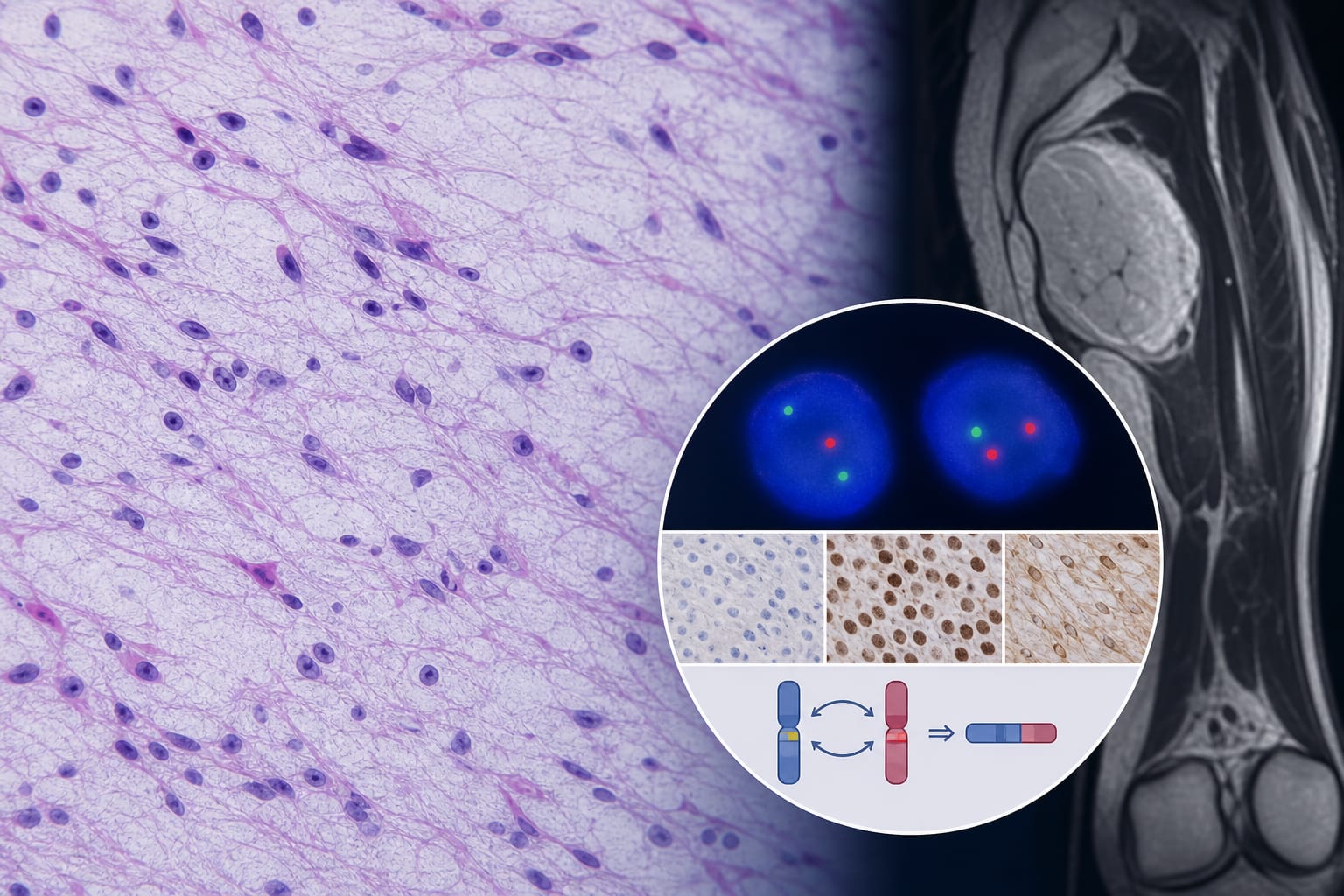
Extrachromosomal DNA (ecDNA) is present in approximately one in seven cancers and is capable of driving aggressive tumor behavior. Its unique characteristics contribute to treatment resistance and intratumoral heterogeneity, making it a significant factor in cancer biology and prognosis.
Background
Traditional understanding of cancer genetics focuses on chromosomal DNA, but recent findings highlight the importance of ecDNA in tumor biology. ecDNA can amplify oncogenes and create genetic diversity within tumors, complicating treatment responses. Understanding ecDNA is crucial for improving diagnostic and therapeutic strategies in oncology.
Data Highlights
No numerical data provided in the source material.
Key Findings
ecDNA is found in roughly 15-20% of tumors and correlates with poor clinical outcomes.
It can amplify oncogenes to extreme levels, enhancing tumor aggressiveness.
ecDNA contributes to intratumoral heterogeneity, allowing rapid adaptation to treatment pressures.
Patients with ecDNA-positive tumors have significantly worse overall survival compared to those with chromosomal amplifications.
Detection of ecDNA can serve as a diagnostic and prognostic marker in various cancers.
Clinical Implications
The presence of ecDNA in tumors necessitates a shift in diagnostic approaches and treatment planning. Clinicians should consider ecDNA status when evaluating tumor behavior and potential treatment resistance.
Conclusion
The emergence of ecDNA as a critical factor in cancer biology underscores the need for enhanced detection methods and tailored therapeutic strategies to address its impact on treatment outcomes.