Identification and validation of STEAP3 as a ferroptosis-related biomarker in heart failure
-
By
-
Huijuan Chen
-
Lingqi Xu
-
June 1, 2026
-
0 min
Clinical Report: Discovery and validation of STEAP3 as a biomarker in HF
Overview
This study identifies STEAP3 as a potential biomarker linked to ferroptosis in heart failure (HF). The findings suggest that aging-related programmed cell death (PCD) genes play a significant role in HF pathology, highlighting the need for further clinical validation.
Background
Heart failure is a prevalent clinical syndrome with a poor prognosis, often exacerbated by aging and programmed cell death mechanisms. Understanding the molecular underpinnings of HF, particularly the role of aging-related PCD, is crucial for developing effective diagnostic and therapeutic strategies. This study aims to elucidate the relationship between these factors and identify potential biomarkers for improved patient outcomes.
Data Highlights
No numerical data available in the source material.
Key Findings
- Ferroptosis, autophagy, and necroptosis are correlated with aging in heart failure.
- Eighteen differentially expressed aging-related PCD genes were identified.
- The LASSO model demonstrated superior diagnostic performance for HF.
- Significant differences in immune microenvironment were noted between aging-PCD index-high and index-low groups.
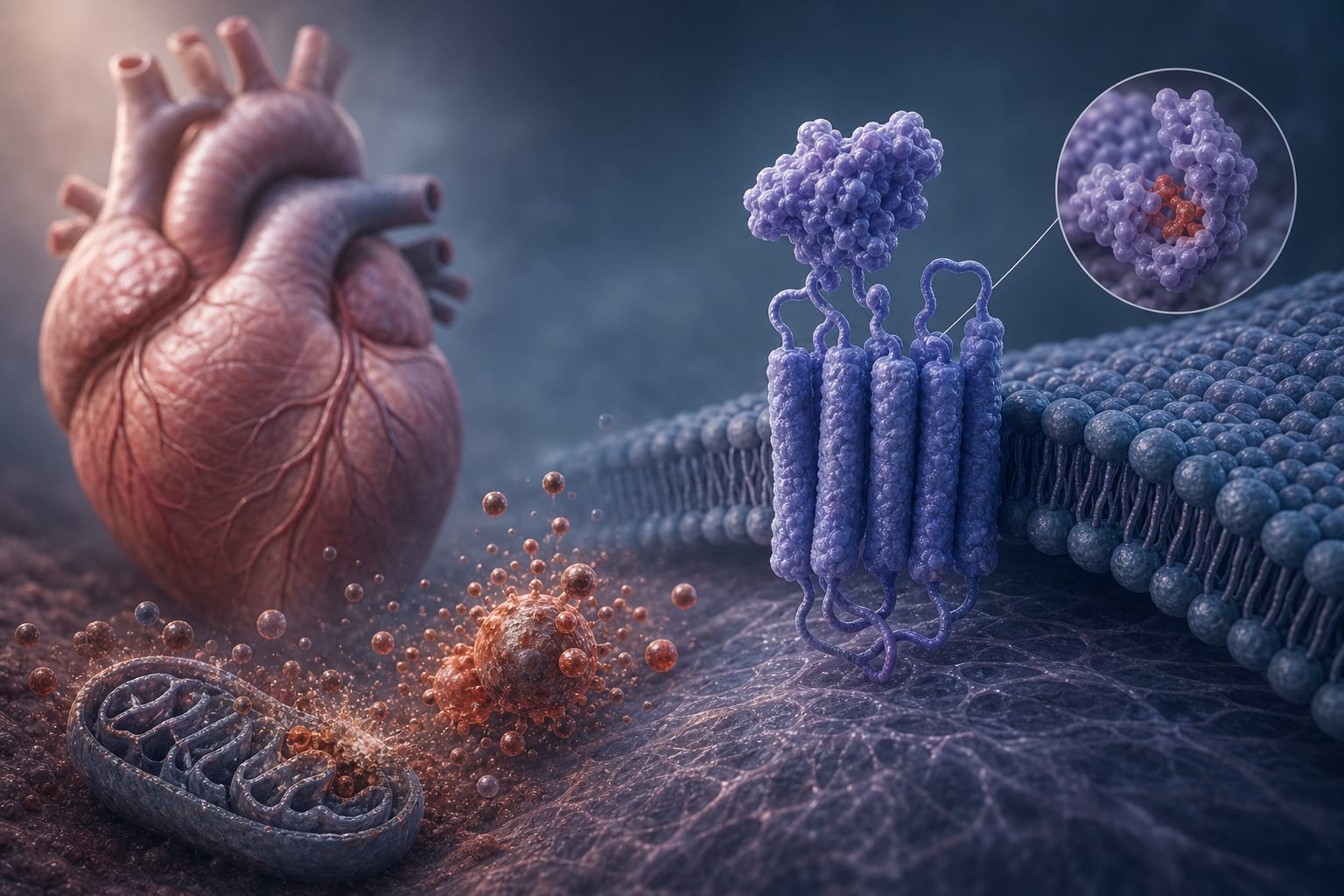
- STEAP3 may contribute to ferroptosis-related injury in cardiomyocytes via glutathione metabolism and iron homeostasis.
Clinical Implications
The identification of STEAP3 as a biomarker associated with ferroptosis in HF may guide future diagnostic and therapeutic approaches. Understanding the interplay between aging, PCD, and HF could lead to personalized treatment strategies that improve patient outcomes.
Conclusion
The study underscores the importance of aging-related PCD in heart failure and presents STEAP3 as a promising biomarker for further investigation. These findings could pave the way for novel therapeutic interventions targeting ferroptosis.
Related Resources & Content
- Clinical Research in Cardiology, 2025 -- Evaluation of Iron Deficiency Indicators in Individuals with Advanced Heart Failure
- Clinical Research in Cardiology, 2024 -- The Role of Ferritin, Inflammation, and Iron Deficiency in Acute Heart Failure: Insights from the EDIFICA Study
- Ferroptosis in heart failure: from molecular insights to therapeutic implications, Cardiovascular Research, 2026
- Retinal Physician — Study Connects Iron Regulation and Vision Loss
- Clinical Research in Cardiology — The Relationship Between Systemic Oxidative Stress and Severity of Disease Outcomes in Patients with Newly Diagnosed or Deteriorating Heart Failure
- 2025 Canadian Cardiovascular Society/Canadian Heart Failure Society Guideline Update
- 2023 Focused Update of the ESC Guidelines for Heart Failure
- Heart Failure
- Ferroptosis in heart failure: from molecular insights to therapeutic implications | Cardiovascular Research | Oxford Academic
- Regulation of cardiac ferroptosis in diabetic human heart failure: uncovering molecular pathways and key targets - PubMed
- The interaction between ferroptosis and myocardial ischemia–reperfusion injury: molecular mechanisms and potential therapeutic targets | European Journal of Medical Research | Springer Nature Link
- Effectiveness of Intravenous Iron Treatment Versus Standard Care in Patients With Heart Failure and Iron Deficiency - American College of Cardiology
- Adjudication of Hospitalizations and Deaths in the IRONMAN Trial of Intravenous Iron for Heart Failure - PubMed
- HEART-FID: Ferric Carboxymaltose Fails to Significantly Improve Outcomes in Patients With HFrEF, Iron Deficiency - American College of Cardiology
- Effects of Ferric Derisomaltose in Heart Failure with Iron Deficiency according to Renal Function in the IRONMAN Randomised Controlled Trial - PMC
- Oxidative Stress and DNA Damage Biomarkers in Heart Failure: A Systematic Review and Meta-Analysis | MDPI
This content is an AI-generated, fully rewritten summary based on a published scholarly article. It does not reproduce the original text and is not a substitute for the original publication. Readers are encouraged to consult the source for full context, data, and methodology.