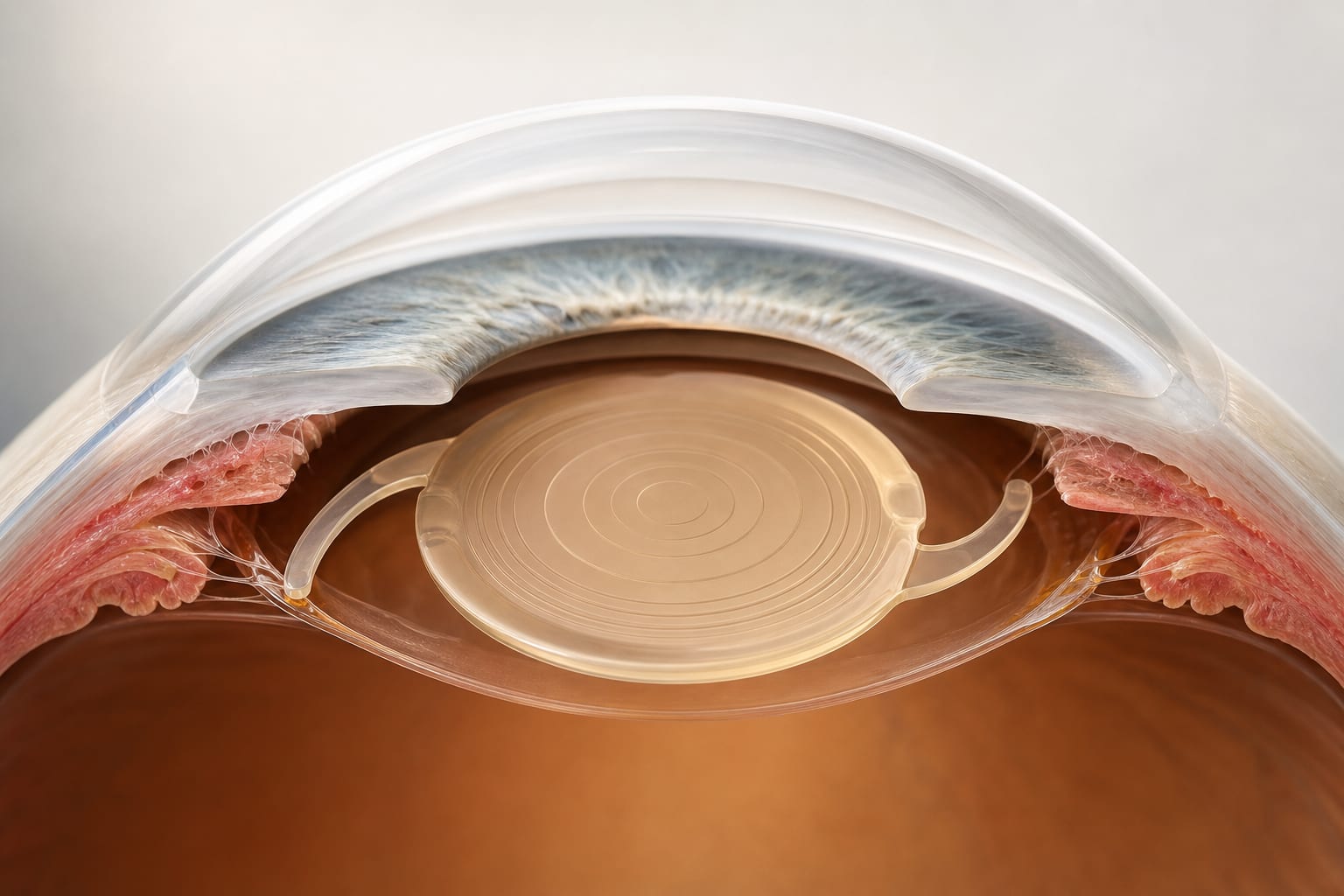
Clinical Report: Effectiveness of Manuka Honey Eye Drops for Alleviating Dry Eye Symptoms Post-Cataract Surgery
Overview
This study evaluates the efficacy of Manuka honey eye drops in alleviating dry eye symptoms and reducing ocular inflammation after cataract surgery. Results indicate that Manuka honey eye drops significantly improve postoperative dry eye symptoms compared to sodium hyaluronate.
Background
Dry eye disease (DED) is a prevalent condition affecting a significant portion of the population, particularly after cataract surgery, which can exacerbate symptoms. Current treatments often have limited effectiveness, highlighting the need for alternative therapeutic options. Manuka honey, known for its anti-inflammatory and healing properties, presents a potential new approach for managing postoperative dry eye symptoms.
Data Highlights
Group
OSDI Score Reduction (1 Month)
Conjunctival Redness Reduction
Manuka Honey
-27.3 ± 20.3
-0.56
Sodium Hyaluronate
-4.3 ± 17.4
N/A
Key Findings
Manuka honey eye drops resulted in a greater reduction in OSDI scores compared to sodium hyaluronate at 1 month post-surgery.
Adjusted mean difference in OSDI score was -18.7 (95% CI: -28.8 to -8.7; p = 0.007) favoring Manuka honey.
Conjunctival redness was significantly lower in the Manuka group (adjusted mean difference: -0.56; p = 0.014).
No significant differences were observed in non-invasive tear break-up time (NIBUT) between the two groups.
Manuka honey's properties may contribute to its effectiveness in reducing ocular inflammation.
Findings suggest that Manuka honey could be a viable alternative to traditional treatments for postoperative dry eye symptoms.
Clinical Implications
The use of Manuka honey eye drops may provide a more effective treatment option for patients experiencing dry eye symptoms following cataract surgery. Clinicians should consider incorporating Manuka honey into their postoperative care protocols, especially for patients with persistent symptoms.
Conclusion
Manuka honey eye drops demonstrate significant benefits in alleviating dry eye symptoms and reducing ocular inflammation after cataract surgery. Further research is warranted to confirm these findings and explore the broader applications of Manuka honey in ophthalmology.
by Javier García-Bardera, Javier García-Bella, Fiorella K. Cuba-Sulluchuco, Bárbara Burgos-Blasco, Pedro Arriola-Villalobos, Jose Manuel Benítez-Del-Castillo