Conexiant’s news site is now MDSpire News. Learn more
Advertisement
Integrative Multi-Omics Mendelian Randomization Reveals a Potential Gut-Immune-Pelvic Axis in Deep Infiltrating Endometriosis Through Metabolic, Microbial, and Immune Pathways
Clinical Report: Integrative Multi-Omics Mendelian Randomization in DIE
Overview
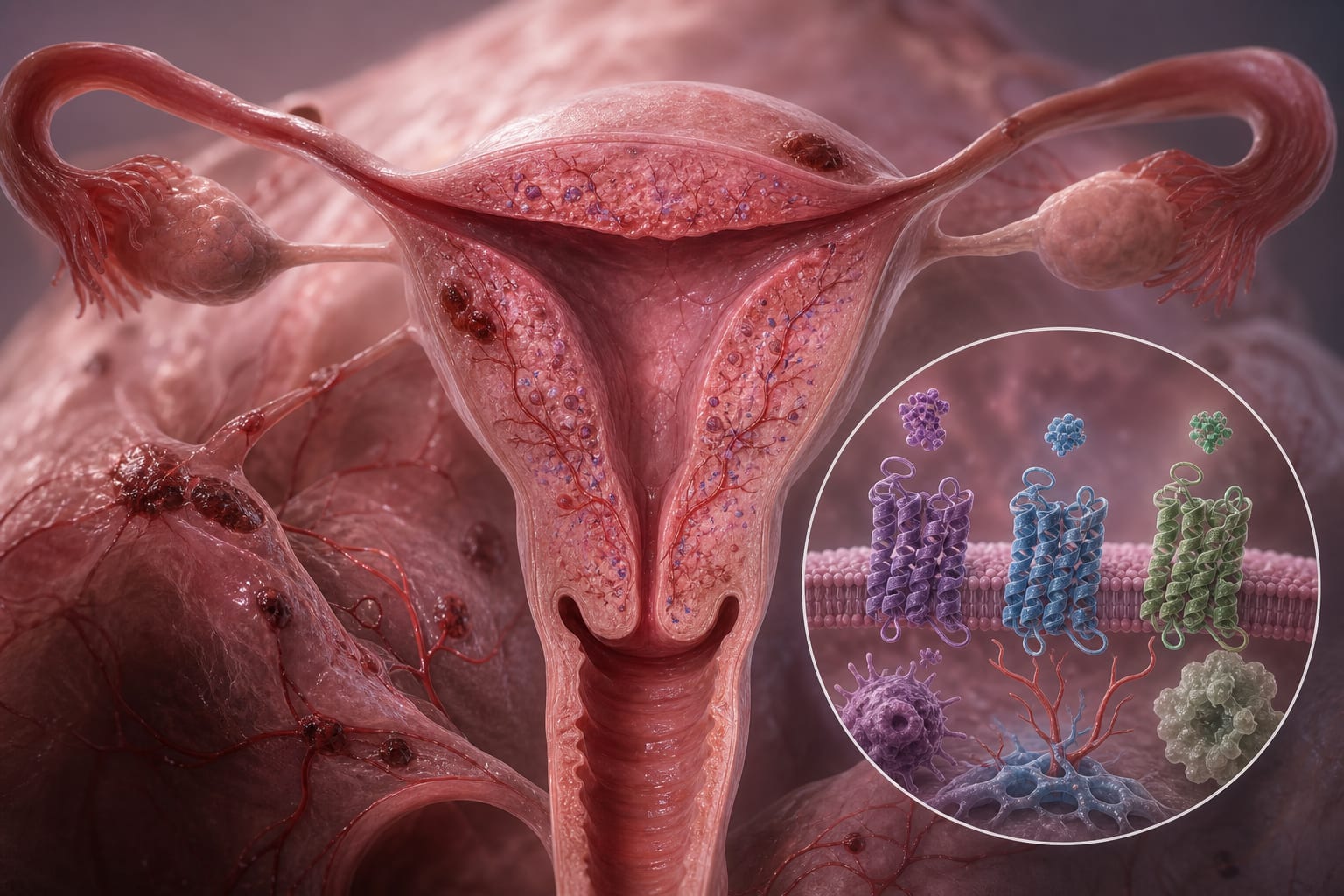
This study identifies potential causal links between metabolic, microbial, and immune factors and deep infiltrating endometriosis (DIE) using a multi-omics Mendelian randomization approach. A five-gene panel associated with DIE was identified, highlighting the complex interplay of these systems in the disease's pathology.
Background
Deep infiltrating endometriosis (DIE) is a severe form of endometriosis that significantly impacts women's health, causing debilitating pain and infertility. Understanding the underlying mechanisms, including metabolic and immune dysregulation, is crucial for developing effective treatments. This study explores the connections between gut microbiota, immune responses, and metabolic changes in the context of DIE.
Data Highlights
The study utilized two-sample Mendelian randomization to assess causal effects and identified 324 protein-coding genes associated with DIE.
Key Findings
Multiple circulating metabolites, gut microbiota traits, and immune cell phenotypes were linked to DIE susceptibility.
Risk-increasing factors included specific bile acid-related metabolites and certain bacterial taxa.
A five-gene panel (HDC, GADD45B, CDK5, AHNAK, RASGRP2) demonstrated excellent discrimination between DIE lesions and normal endometrium (AUC = 0.999).
Immunohistochemistry confirmed differential expression of key genes in DIE lesions.
The findings suggest that targeting metabolic and immune pathways may offer new therapeutic strategies for managing DIE. The identified five-gene panel could serve as a biomarker for diagnosis and monitoring of the disease.
Conclusion
This research supports a gut-immune-pelvic axis in DIE and highlights the potential for multi-omics approaches to uncover novel insights into the disease's pathophysiology.