Impact of Stapling Devices on Outcomes in Robotic Sleeve Gastrectomy
Overview
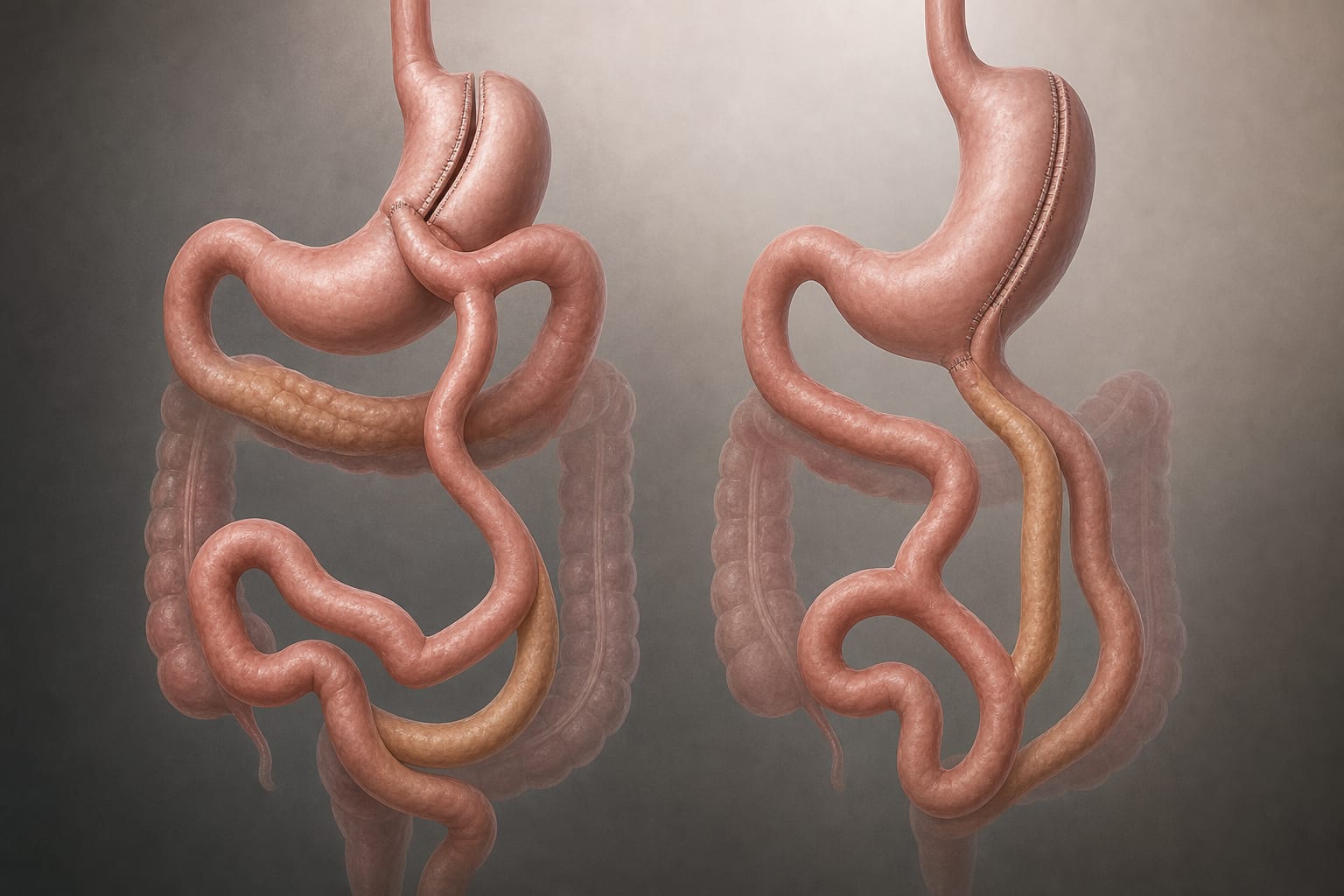
This retrospective single-surgeon study compared postoperative outcomes of robotic sleeve gastrectomy using a single-fire stapler versus multiple-fire staplers. The single-fire stapler was associated with improved consistency in sleeve creation, potentially reducing postoperative gastroesophageal reflux disease (GERD) and length of hospital stay.
Background
Obesity prevalence continues to rise globally, with bariatric surgery, particularly laparoscopic sleeve gastrectomy (LSG), being the most common and effective treatment. Postoperative GERD is a frequent complication after LSG, with incidence varying widely due to patient and surgical factors. Anatomical changes from stapling technique, including sleeve torsion or narrowing, contribute to GERD development. The Titan® SGS single-fire stapler was designed to improve staple line consistency by eliminating multiple staple junctions and angulations inherent in traditional multiple-fire staplers.
Data Highlights
This study retrospectively analyzed consecutive patients over 5 years undergoing robotic sleeve gastrectomy by a single surgeon. The multiple-fire group included cases from September 2018 to October 2021, and the single-fire group from October 2021 to October 2023. Both groups used a 40 French bougie for sleeve sizing. Postoperative GERD symptoms and anti-reflux medication use were assessed at multiple standardized intervals up to one year and beyond.
Key Findings
The single-fire stapler enabled creation of the sleeve gastrectomy in a single staple firing, eliminating staple line junctions and angulations.
Use of the single-fire stapler reduced variability in sleeve anatomy, potentially decreasing sleeve narrowing and torsion.
Postoperative GERD incidence was lower in the single-fire group compared to the multiple-fire group, as assessed by standardized symptom surveys.
Length of hospital stay was reduced in patients undergoing sleeve gastrectomy with the single-fire stapler.
The single-fire stapler eliminated overlapping staple lines, which are associated with increased leak risk per FDA warnings.
Clinical Implications
Utilizing a single-fire stapler in robotic sleeve gastrectomy may improve surgical consistency and reduce postoperative complications such as GERD and prolonged hospitalization. Surgeons should consider the potential benefits of single-fire stapling devices to optimize sleeve anatomy and patient outcomes. Careful intraoperative assessment and technique remain critical to minimize postoperative morbidity.
Conclusion
The single-fire stapler offers a promising advancement in robotic sleeve gastrectomy by reducing staple line variability and associated postoperative GERD. Adoption of this technology may enhance patient recovery and satisfaction following bariatric surgery.
References
Global Obesity Census Data 2023 -- Obesity Prevalence
Bariatric Surgery Trends 2022 -- Laparoscopic Sleeve Gastrectomy Prevalence
GERD Incidence Post-LSG Review 2021 -- Variability in Outcomes
Anatomical Changes and GERD after LSG 2020 -- Etiology of Postoperative GERD
Angle of His Function in GERD Prevention 2019 -- Anti-Reflux Valve Anatomy
Yehoshua et al. 2018 -- Gastric Compliance and Pressure after Sleeve Gastrectomy
Postoperative GERD Morbidity 2021 -- Impact on Hospital Stay and Reoperations
Titan® SGS Stapler Development 2022 -- Single-Fire Stapling Device
FDA Safety Communication 2020 -- Risks of Overlapping Staple Lines