Clinical Report: Tagraxofusp for Adult Blastic Plasmacytoid Dendritic Cell Neoplasm
Overview
Tagraxofusp demonstrates significant efficacy in treating adult BPDCN, with overall response rates ranging from 65% to 90%. The treatment's safety profile is characterized by capillary leak syndrome, necessitating careful monitoring.
Background
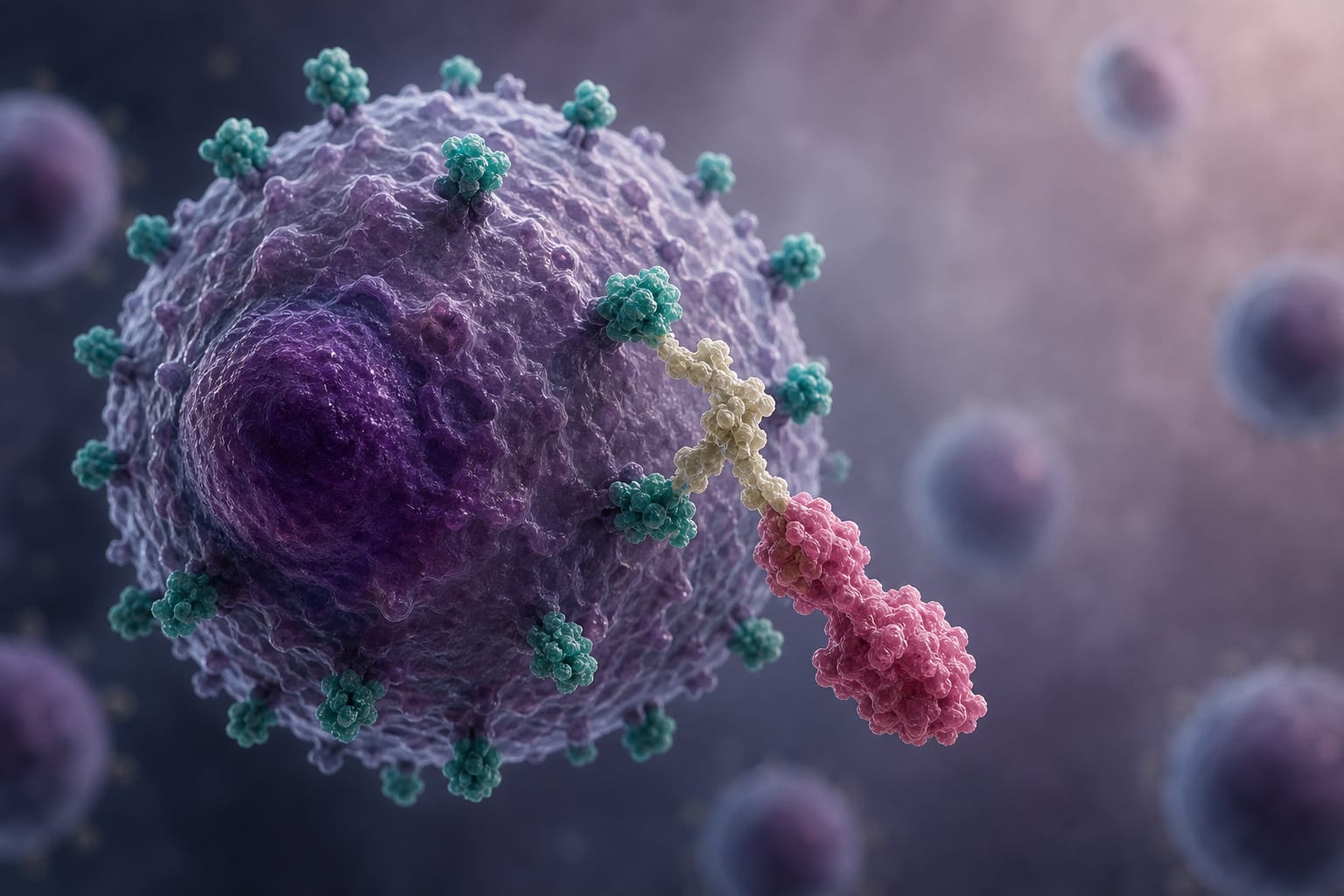
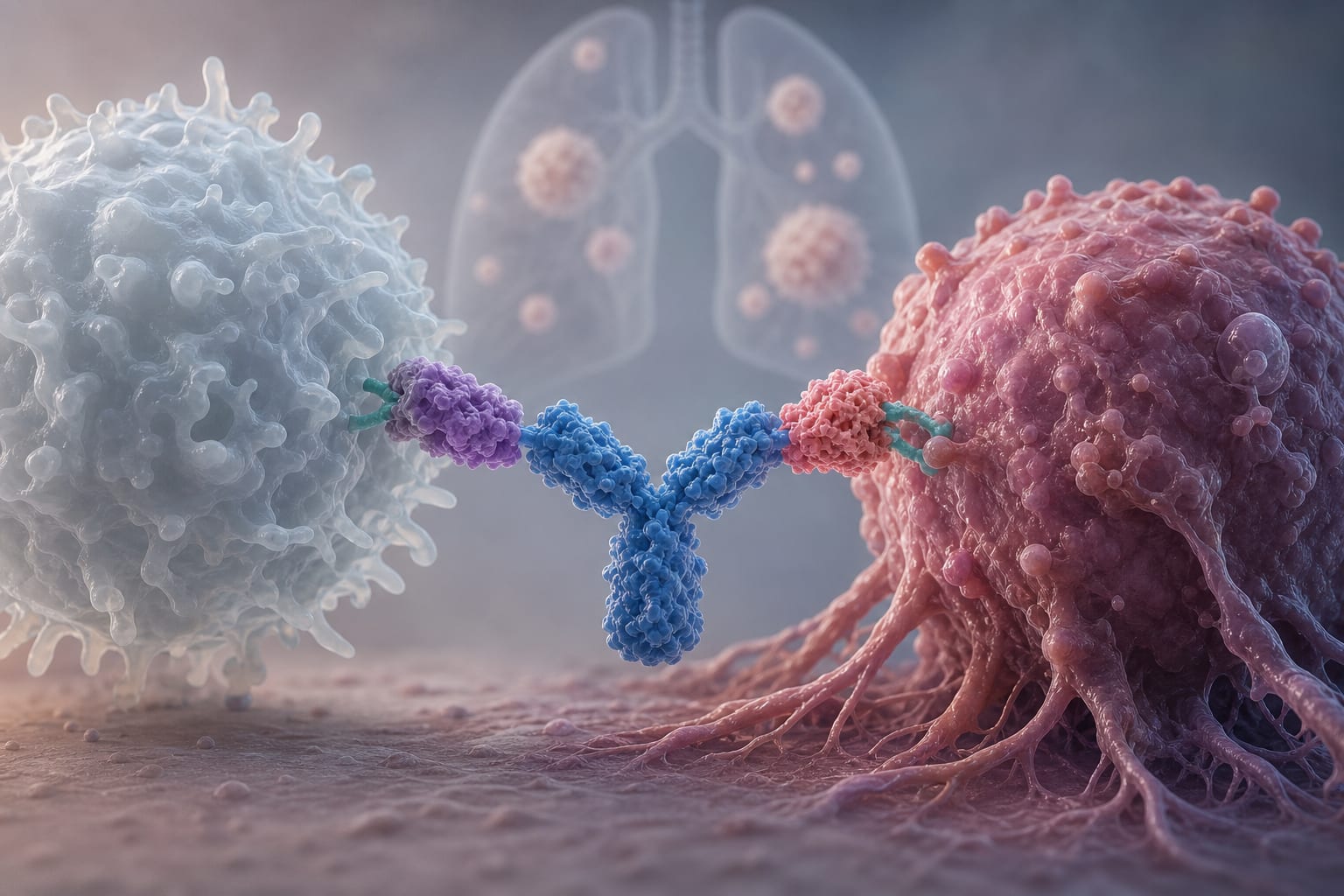
Blastic plasmacytoid dendritic cell neoplasm (BPDCN) is a rare and aggressive hematologic malignancy with historically poor outcomes. The introduction of tagraxofusp, a CD123-directed cytotoxin, represents a significant advancement in treatment options. Understanding the efficacy and safety of tagraxofusp is crucial for optimizing management strategies in this challenging patient population.
Data Highlights
Study Type
Overall Response Rate (ORR)
Complete Response (CR/CRc) Rate
Frontline Trials
71%–90%
56%–72%
Real-World Cohorts
65%–90%
N/A
Key Findings
Tagraxofusp shows an overall response rate (ORR) of 71%–90% in frontline trials.
Complete response (CR/CRc) rates in these trials range from 56% to 72%.
Real-world cohorts report an ORR of 65%–90%, with improved survival for patients bridged to allogeneic HSCT.
Capillary leak syndrome (CLS) is the primary toxicity associated with tagraxofusp, with varying incidence across studies.
Long-term survival is significantly influenced by successful bridging to HSCT.
The evidence base remains predominantly non-randomized, highlighting the need for further comparative studies.
Clinical Implications
Clinicians should be aware of the high response rates associated with tagraxofusp in BPDCN, particularly the importance of bridging to HSCT for improved survival. Monitoring for capillary leak syndrome is essential to manage this significant toxicity.
Conclusion
Tagraxofusp represents a promising treatment option for adult BPDCN, with consistent efficacy across various settings. Further research is needed to clarify its role in long-term disease control.