Development and Internal Validation of a Multivariable Prediction Model for Postoperative Bleeding in Patients Undergoing Bariatric Surgery (The POD 1-DISCHARGE Calculator) - Report - MDSpire
Advertisement
Development and Internal Validation of a Multivariable Prediction Model for Postoperative Bleeding in Patients Undergoing Bariatric Surgery (The POD 1-DISCHARGE Calculator)
Predictive Model for Postoperative Hemorrhage in Bariatric Surgery Patients
Overview
A multivariable predictive model, the POD 1-DISCHARGE tool, was developed using seven years of retrospective data to identify patients at increased risk of postoperative hemorrhage following bariatric surgery. The model integrates clinical, surgical, and laboratory variables to support individualized perioperative care and safe early discharge within enhanced recovery protocols.
Background
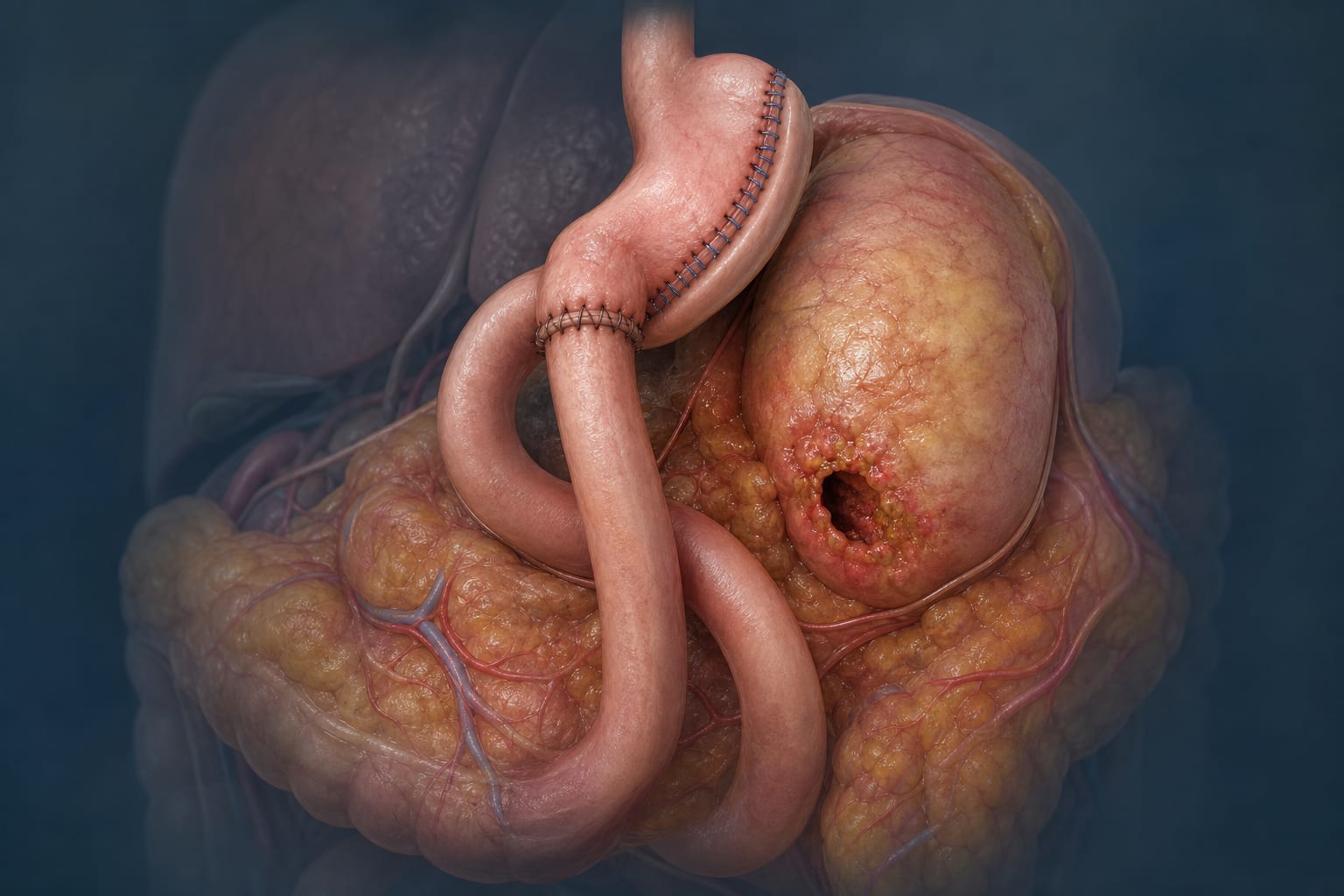
Bariatric surgery is the most effective long-term treatment for severe obesity and related comorbidities but carries a 1–4% risk of early postoperative bleeding, which can lead to transfusion, reoperation, and prolonged hospitalization. Postoperative hemorrhage is influenced by patient demographics, comorbidities, surgical technique, and intraoperative factors. Enhanced Recovery After Bariatric Surgery (ERABS) protocols have shortened hospital stays, increasing the need for reliable risk stratification tools to guide safe discharge decisions. Existing predictive models have limitations, and there is a need for clinically integrated, transparent tools that incorporate both pre- and postoperative laboratory markers.
Data Highlights
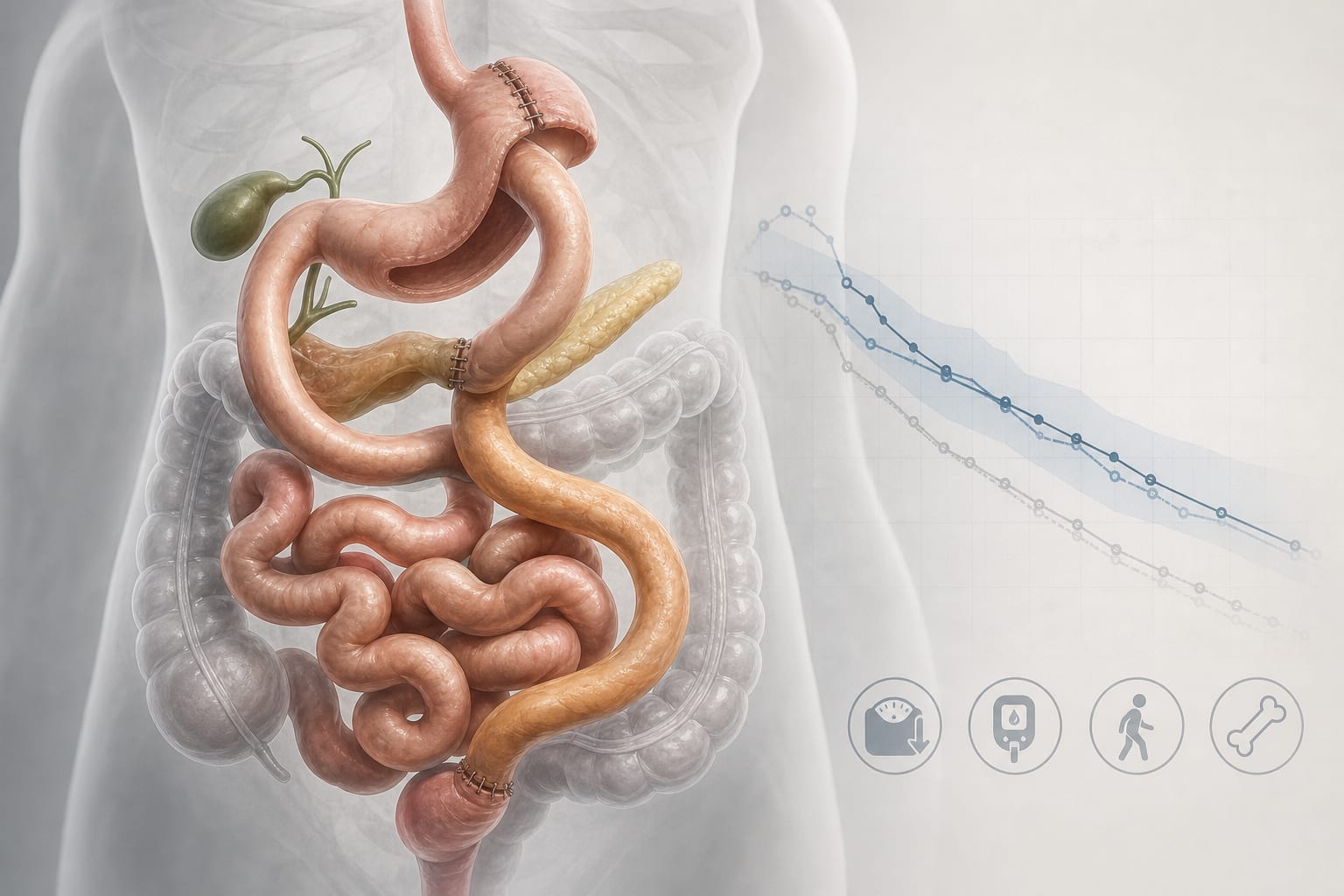
The study analyzed data from all bariatric procedures performed between January 2017 and December 2023 at a high-volume center, including sleeve gastrectomy and gastric bypass (OAGB and RYGB). The primary outcome was postoperative bleeding, defined by invasive intervention or transfusion within 30 days. Variables included patient demographics, anthropometric measures at maximal and operative time points, surgical details (type, admission, operative time, hemostatic strategies), and laboratory values (CBC, coagulation parameters, CRP, creatinine) pre- and postoperatively. Excessive drainage was defined as >100 ml output within 24 hours post-surgery.
Key Findings
Postoperative hemorrhage occurred in 1–4% of patients undergoing bariatric surgery, consistent with prior literature.
The POD 1-DISCHARGE model incorporates demographic, surgical, and laboratory variables to predict bleeding risk effectively.
Inclusion of routinely available laboratory markers such as CBC and coagulation parameters enhances detection of subclinical bleeding tendencies.
Use of enhanced recovery protocols (fast-track admission) and operative factors like surgery type and duration influence bleeding risk.
Excessive drain output (>100 ml in first 24 hours) is a significant postoperative indicator associated with hemorrhage risk.
The model aims to support safe early discharge decisions within ERABS by identifying high-risk patients requiring closer monitoring.
Clinical Implications
The POD 1-DISCHARGE tool provides clinicians with a transparent, multivariable risk stratification method to identify patients at elevated risk for postoperative bleeding after bariatric surgery. This facilitates individualized perioperative management and informs discharge timing decisions, particularly within fast-track ERABS protocols where observation time is limited. Incorporating simple laboratory markers alongside clinical and surgical data enhances early detection of bleeding complications, potentially reducing morbidity and resource utilization.
Conclusion
This study presents a validated multivariable predictive model integrating clinical, surgical, and laboratory data to identify bariatric surgery patients at risk for postoperative hemorrhage. The POD 1-DISCHARGE tool supports enhanced recovery pathways by enabling safer early discharge through improved risk stratification.
References
IFSO Guidelines and Bariatric Chapter of the Association of Polish Surgeons -- Bariatric Surgery Qualification Criteria
TRIPOD Statement 2015 -- Transparent Reporting of a multivariable prediction model for Individual Prognosis or Diagnosis
Enhanced Recovery After Bariatric Surgery (ERABS) Protocols -- Impact on Discharge Timing and Safety