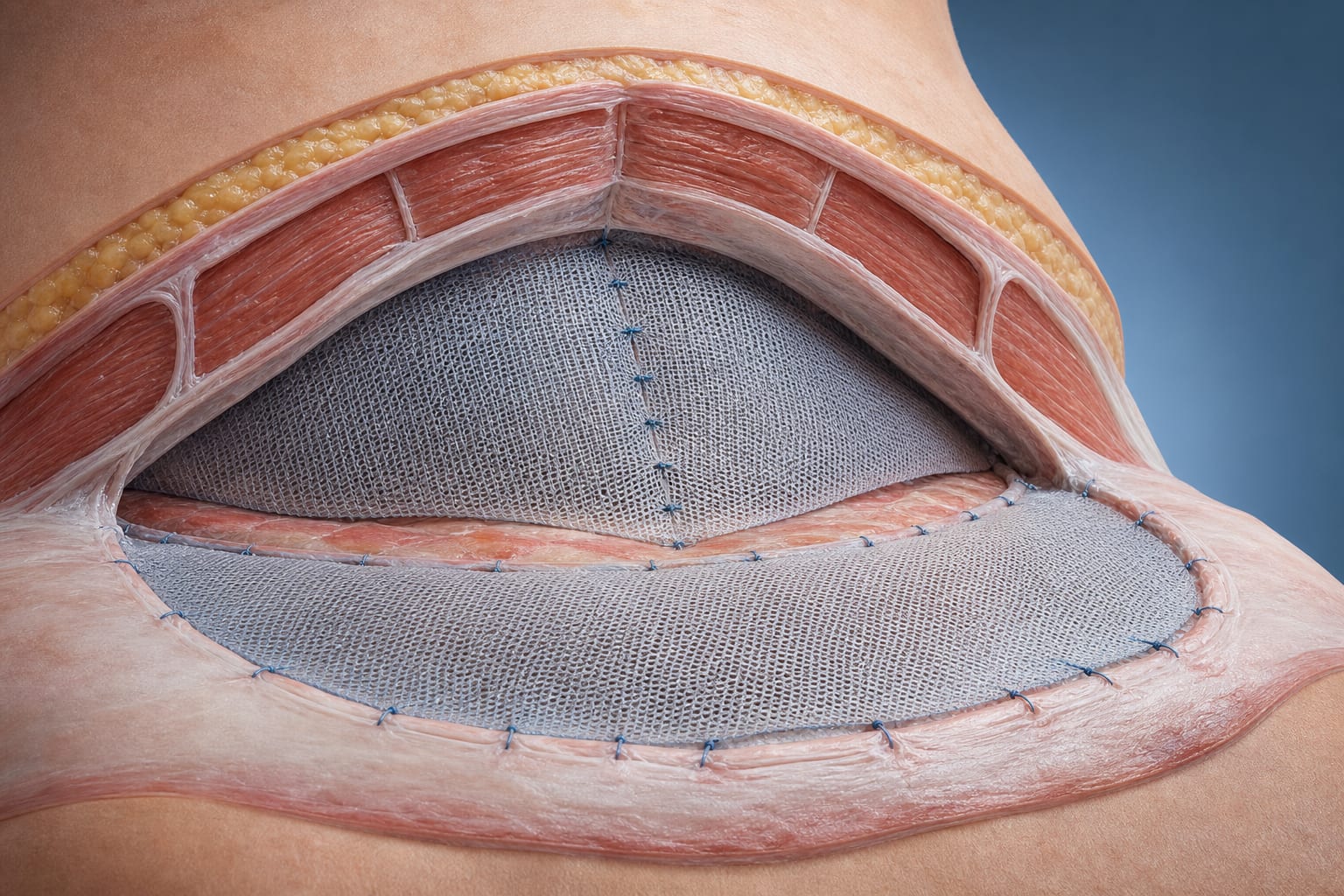
Comparative Analysis of Clinical and Cosmetic Results in Transumbilical Single-Port versus Multi-Port Laparoscopic Ovarian Cystectomy
-
By
-
Qingquan Shi
-
Yunan He
-
Jiahui Qiu
-
Jinhong Li
-
June 30, 2026
Clinical Report: Comparative Analysis of Clinical and Cosmetic Results in Transumbilical Single-Port versus Multi-Port Laparoscopic Ovarian Cystectomy
Overview
This study compares clinical outcomes and aesthetic satisfaction between transumbilical single-port laparoscopic cystectomy (SP-LC) and traditional multi-port laparoscopic cystectomy (MPL).
Background
Ovarian cysts are common among women of reproductive age and may necessitate surgical intervention. Laparoscopic ovarian cystectomy is preferred due to its minimally invasive nature, but traditional multi-port techniques can lead to increased postoperative pain and less favorable cosmetic results. The emergence of single-port laparoscopic techniques aims to address these concerns while maintaining safety and efficacy.
Data Highlights
| Parameter | SP-LC | MPL | P-value |
|---|---|---|---|
| Intraoperative Blood Loss (mL) | 43.06 ± 11.79 | 48.12 ± 12.85 | 0.014 |
| First Exhaust (h) | 15.82 ± 5.21 | 18.47 ± 5.74 | 0.004 |
| Ambulation (h) | 13.89 ± 3.17 | 15.63 ± 3.51 | 0.002 |
| Hospital Stay (days) | 3.94 ± 0.85 | 4.31 ± 0.92 | 0.011 |
| Overall Complication Rate (%) | 11.59 | 25.93 | 0.027 |
Key Findings
- SP-LC resulted in less intraoperative blood loss compared to MPL (43.06 mL vs. 48.12 mL, P = 0.014).
- Patients in the SP-LC group experienced earlier first exhaust (15.82 h vs. 18.47 h, P = 0.004) and earlier ambulation (13.89 h vs. 15.63 h, P = 0.002).
- The length of hospital stay was shorter for SP-LC patients (3.94 days vs. 4.31 days, P = 0.011).
- Lower pain scores were reported in the SP-LC group at both 24 and 72 hours postoperatively (P < 0.001).
- The overall complication rate was significantly lower in the SP-LC group (11.59% vs. 25.93%, P = 0.027).
- Aesthetic satisfaction was higher in the SP-LC group at discharge (P = 0.006) and PSAS scores were lower at 1 and 3 months postoperatively (P = 0.002 and P = 0.003).
Clinical Implications
The findings provide insights into the clinical outcomes of transumbilical single-port laparoscopic cystectomy compared to traditional multi-port techniques.
Conclusion
Transumbilical single-port laparoscopic ovarian cystectomy is associated with various clinical outcomes compared to traditional multi-port techniques.
Related Resources & Content
- Frontiers in Oncology, 2026 -- Single-port compared with conventional laparoscopic ovarian cystectomy for benign ovarian cysts: a systematic review and meta-analysis
- Surgical Endoscopy, 2025 -- Comparison of 5 mm and 10 mm Umbilical Ports in Laparoscopic Cholecystectomy: Evaluating Outcomes in Obese Patients Through a Randomized Controlled Trial
- Impact of Previous Hysterectomy on Transvaginal/Transumbilical Hybrid NOTES Cholecystectomy: A Comparative Study of Prospectively Gathered Data
- Frontiers in Surgery, 2026 -- Changes in ovarian reserve function after laparoscopic ovarian cystectomy: a retrospective cohort study
- RCOG Green-top Guideline No. 34, 2025 -- Management of postmenopausal ovarian cysts
- Laparoendoscopic single-site surgery compared with conventional laparoscopy for benign adnexal diseases: a systematic review and meta-analysis of randomized controlled trials
- Laparoendoscopic Single-Site Surgery Versus Conventional Laparoscopic Surgery in Ovarian Cystectomy: A Meta-Analysis | MDPI
- PCrown_A
- Laparoendoscopic single-site surgery compared with conventional laparoscopy for benign adnexal diseases: a systematic review and meta-analysis of randomized controlled trials
- Laparoendoscopic Single-Site Surgery Versus Conventional Laparoscopic Surgery in Ovarian Cystectomy: A Meta-Analysis | MDPI
Based on findings from:
Clinical and aesthetic outcomes of transumbilical single-port versus multi-port laparoscopic ovarian cystectomy
Qingquan Shi, Yunan He, Jiahui Qiu, Jinhong Li. Frontiers In Endocrinology, 2026.
https://www.frontiersin.org/journals/endocrinology/articles/10.3389/fendo.2026.1856062/full
This content is an AI-generated, fully rewritten summary based on a published scholarly article. It does not reproduce the original text and is not a substitute for the original publication. Readers are encouraged to consult the source for full context, data, and methodology.