Genitourinary symptoms and sexual dysfunction in women with premature ovarian insufficiency: a cross-sectional study with age-comparable controls - Report - MDSpire
Advertisement
Genitourinary symptoms and sexual dysfunction in women with premature ovarian insufficiency: a cross-sectional study with age-comparable controls
Clinical Report: Genitourinary Issues and Sexual Dysfunction in POI
Overview
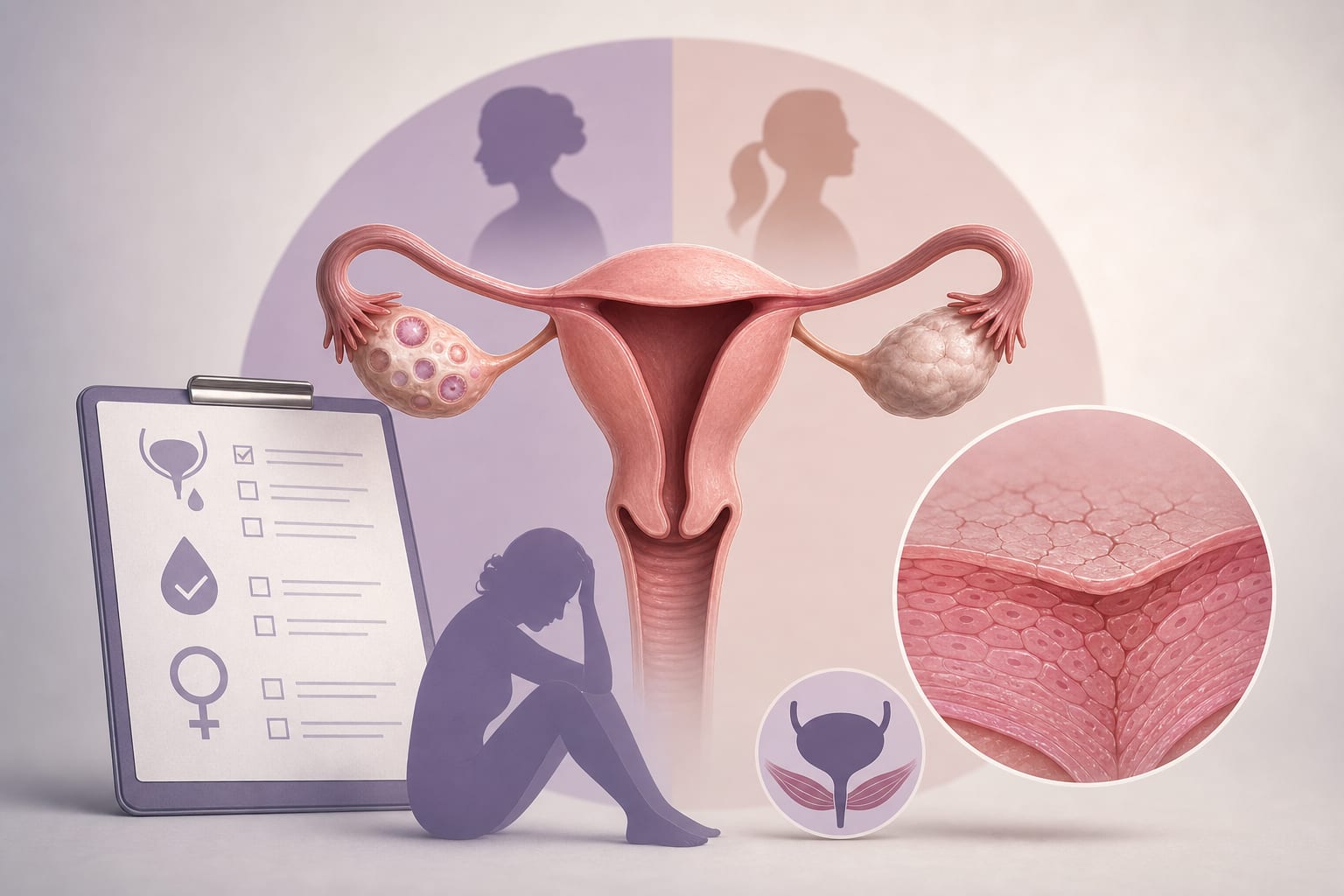
This study characterizes genitourinary symptoms and sexual function in women with premature ovarian insufficiency (POI), revealing a higher prevalence of vulvovaginal dryness and sexual dysfunction compared to age-matched controls.
Background
Premature ovarian insufficiency (POI) affects women under 40, leading to estrogen deficiency and associated health issues, including sexual dysfunction. Understanding genitourinary symptoms in POI is important as they may impact quality of life. Current guidelines emphasize the importance of addressing these symptoms in clinical practice.
Data Highlights
Group
Vulvovaginal Dryness
FSFI Total Score
ICIQ Total Score
Women with POI
Higher prevalence
Lower scores
No significant difference
Age-comparable Controls
Lower prevalence
Higher scores
No significant difference
Key Findings
Women with POI reported more frequent vulvovaginal dryness compared to controls.
Lower FSFI total scores were observed in women with POI, indicating higher prevalence of sexual dysfunction.
Vulvovaginal dryness was independently associated with lower FSFI scores (B = -0.804, P < 0.001).
No significant differences in urinary incontinence severity were found between the groups.
Impairments in arousal, lubrication, orgasm, satisfaction, and pain were noted among women with POI.
Clinical Implications
Clinicians should assess genitourinary symptoms and sexual function in women with POI.
Conclusion
The study highlights the burden of genitourinary symptoms and sexual dysfunction in women with POI, particularly vulvovaginal dryness.