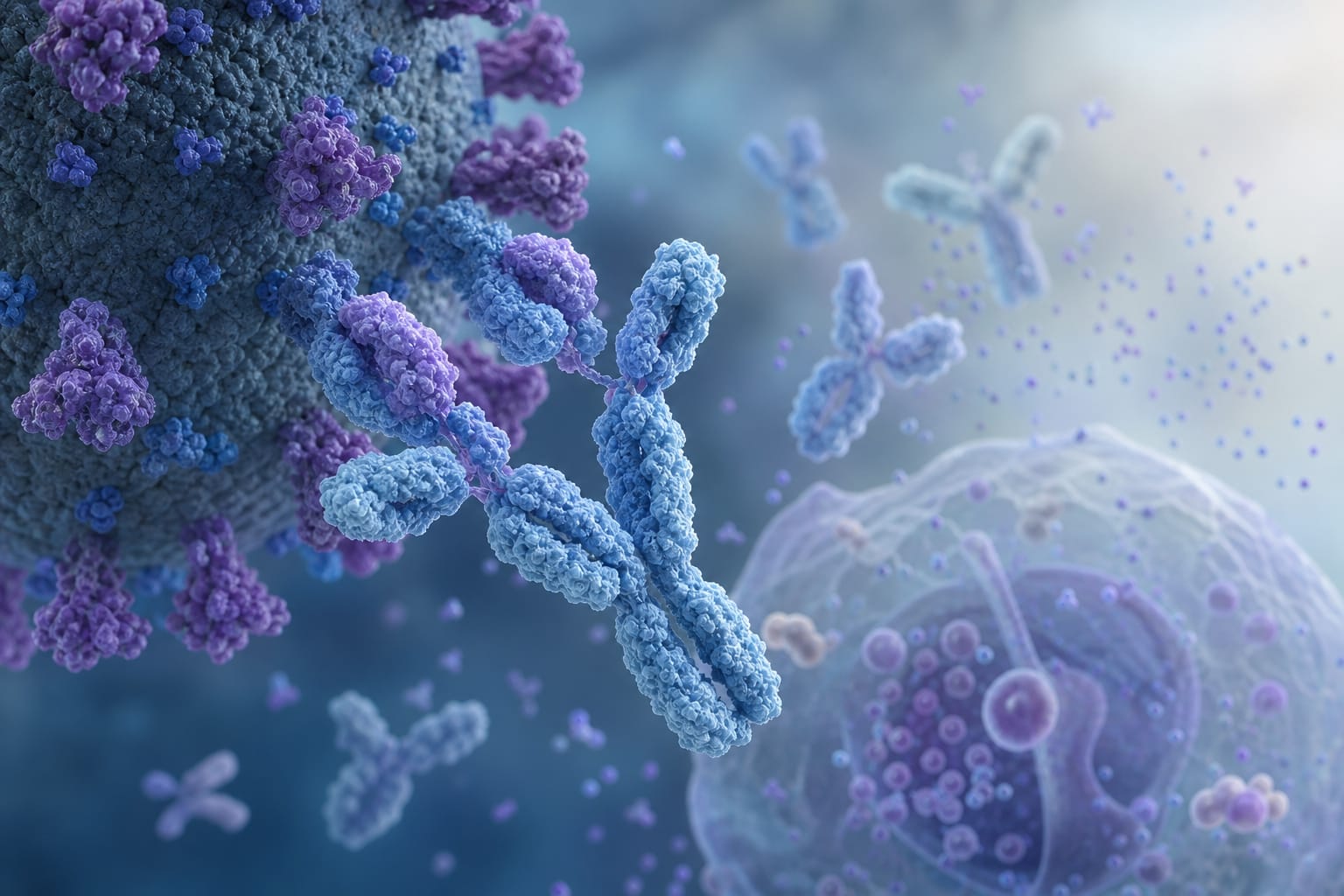
CXCR3 Modulates Disease Severity Linked to Neutrophils in SARS-CoV-2 Infection
Overview
Revise to specify the nature of the correlation between CXCR3 signaling and neutrophil infiltration.
Background
SARS-CoV-2 infection can lead to severe respiratory illness characterized by an exaggerated immune response, often termed a 'cytokine storm.' Understanding the immune mechanisms involved is essential for developing effective treatments. The role of CXCR3 and its ligands in regulating immune cell recruitment and disease severity is particularly relevant in the context of COVID-19.
Data Highlights
No numerical data or trial data presented in the article.
Key Findings
Rephrase findings to clarify the relationship between CXCR3 signaling and disease outcomes.
Clinical Implications
Targeting the CXCR3 signaling pathway may offer a novel therapeutic strategy to mitigate severe outcomes in COVID-19 patients. Understanding the balance between neutrophil and T cell responses could inform treatment approaches aimed at restoring immune homeostasis.
Conclusion
The findings underscore the importance of the CXCL9/10/11-CXCR3 axis in modulating immune responses during SARS-CoV-2 infection, suggesting potential avenues for therapeutic intervention.
Updated 2025-2026 vaccination was linked to added protection in a CDC-funded analysis that became part of a broader debate over routine vaccine monitoring.