Clinical Report: Remote Diabetes Care for Individuals in Correctional Facilities
Overview
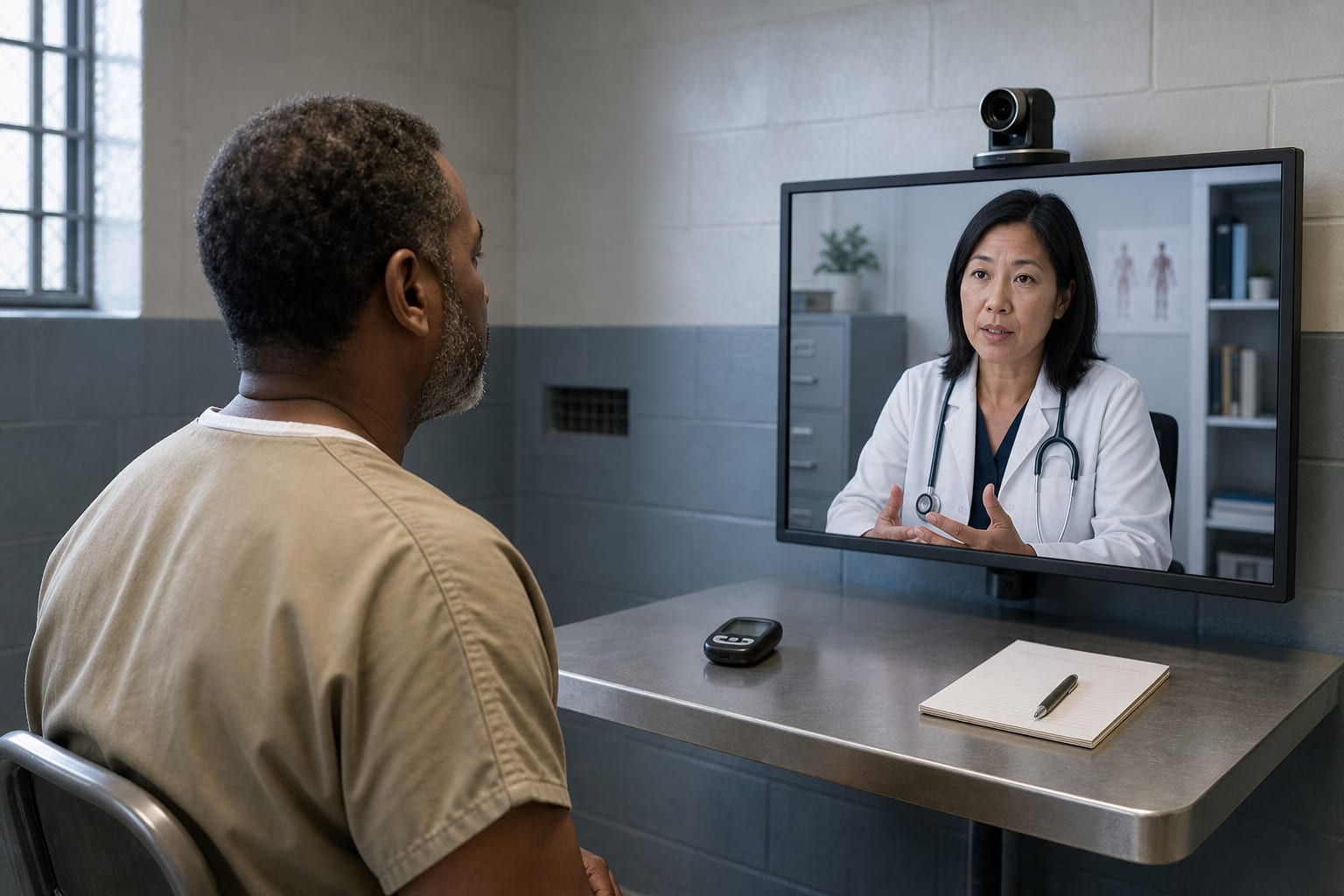
This quality improvement study evaluated an 18-month diabetes telemedicine clinic pilot program in a correctional facility. Significant improvements were observed in glycemic control, with a mean HbA1c reduction of 1.6 percentage points and increased rates of diabetes-related examinations.
Background
Incarcerated individuals face a higher prevalence of chronic diseases, including diabetes, compared to the general population. Access to diabetes care in correctional facilities is often limited due to logistical and security challenges. Telehealth presents a potential solution to improve access to diabetes management for this vulnerable population.
Data Highlights
Measure
Baseline
Final
P-value
Mean HbA1c
8.6%
7.0%
<.001
Patients achieving HbA1c < 7%
7 (6.2%)
41 (36.3%)
<.001
Mean weight reduction (kg)
-
-2.7
<.001
Foot examinations
67 (58.3%)
95 (82.6%)
<.001
Eye examinations
74 (64.3%)
88 (76.5%)
0.03
Urine albumin-to-creatinine ratio testing
92 (80.0%)
109 (94.8%)
<.001
Key Findings
115 patients participated, with a mean age of 51 years and 93.9% having type 2 diabetes.
Mean HbA1c decreased by 1.6 percentage points (P <.001).
Patients achieving HbA1c < 7% increased from 6.2% to 36.3%.
Mean weight reduction was 2.7 kg (P <.001).
Significant increases in diabetes-related examinations were observed.
Implementation challenges included facility understaffing and security concerns.
Clinical Implications
The DTC program demonstrates that telemedicine can effectively provide diabetes care in correctional settings, particularly for patients with high baseline HbA1c levels. Continued evaluation and adaptation of telehealth services may enhance diabetes management in these facilities.
Conclusion
The pilot study indicates that telehealth can serve as a viable alternative to in-person diabetes care in correctional facilities, improving clinical outcomes for incarcerated individuals with diabetes.
by Julio A. Rebolledo, Karen C. Thomas, Joshua B. Katz, Shaeker Chandran, Krishna Schaffer, Chuxian Tang, Kirstie K. Danielson, LaMenta S. Conway, Steven Bowman, Brian T. Layden
Patients with preoperative vitamin D deficiency had higher postoperative pain scores and opioid use after mastectomy, including more than triple the odds of moderate to severe pain within 24 hours of surgery.