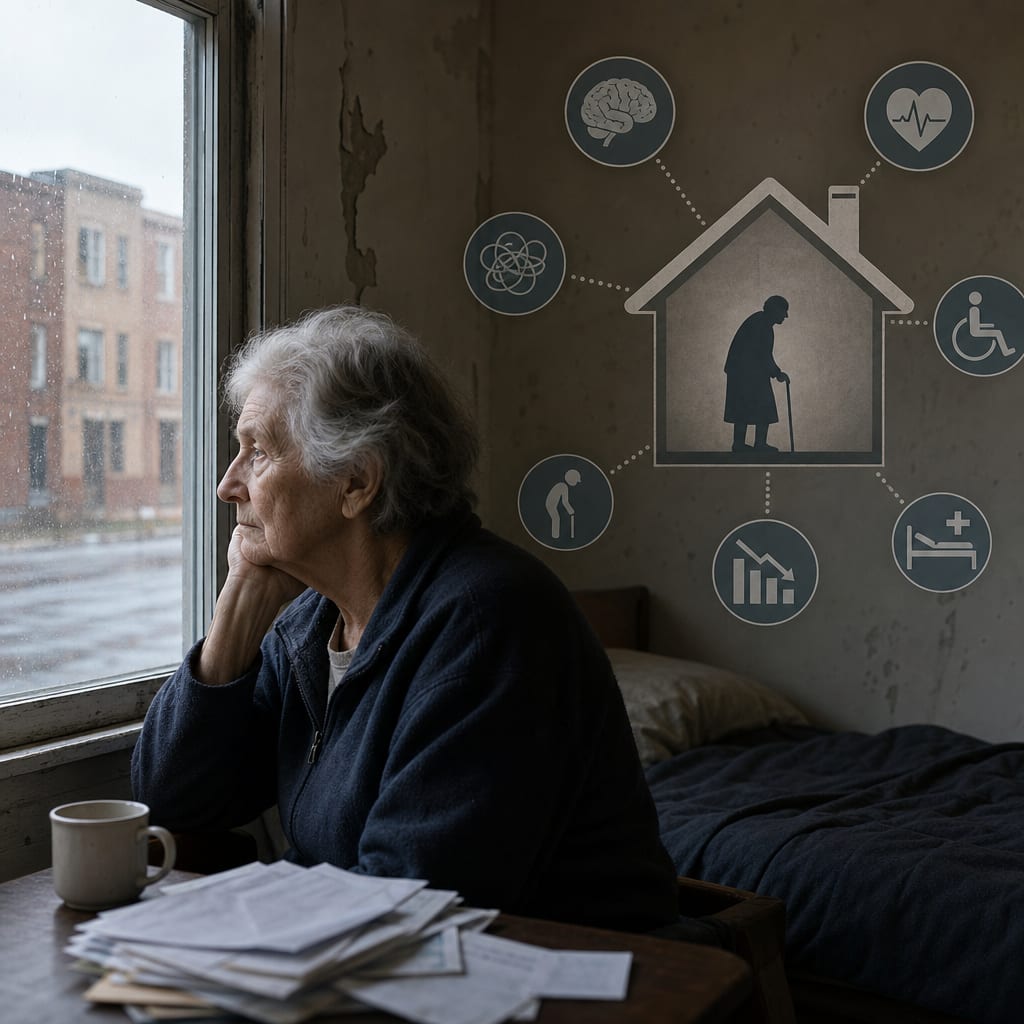
Digital Innovations Shaping Emotional and Social Bonds in Dementia Care
Overview
This review explores how digital technologies influence emotional expressions and social relationships between care workers and dementia residents. It highlights the dual role of technology as both a facilitator and a challenge in maintaining quality social bonds within dementia care settings.
Background
Digital technologies such as social robots, sensors, and tablets are increasingly integrated into dementia care to enhance communication and care quality. Prior research shows mixed outcomes, with some technologies fostering interaction while others raise ethical concerns about reduced human supervision. Understanding these technologies' impact requires examining the triadic relationship among care workers, residents, and technology, focusing on emotional expressions as indicators of social bond quality.
Data Highlights
The review identifies three main emotional categories emerging from interactions with digital technologies: comfort–discomfort, joy–anger, and safety–vulnerability. These emotions serve as markers of the quality of social bonds between care workers and residents, mediated by the affordances and disaffordances of the technologies used.
Key Findings
Digital technologies can facilitate embodied and social interactions, improving communication between care workers and residents.
Emotional expressions such as pride, shame, joy, and vulnerability reflect the quality of social bonds influenced by technology use.
Technological (dis)affordances shape how residents and care workers engage, sometimes reinforcing and other times challenging social relationships.
Ethical dilemmas arise when technology replaces human care, potentially leading to resident isolation and weakened social bonds.
Care workers play an active role in mediating technology use, including staging and guiding interactions to enhance accessibility and emotional connection.
Clinical Implications
Clinicians and care providers should consider the emotional and relational impacts of digital technologies in dementia care, ensuring that technology complements rather than replaces human interaction. Training care workers to effectively mediate technology use can enhance social bonds and emotional well-being among residents. Designing technologies sensitive to emotional and relational needs is crucial for person-centered dementia care.
Conclusion
Digital innovations hold significant potential to shape emotional and social dynamics in dementia care, acting as both enablers and barriers to quality relationships. A nuanced understanding of emotional expressions and technological affordances can guide the development of more responsive, relationally attuned care practices.
References
Koskinen et al. 2023 -- The Role of Digital Innovations in Managing Emotions and Social Interactions in Dementia Care: A Comprehensive Review