Tracking Retinal Health With Wearable Technology - Report - MDSpire
Advertisement
Tracking Retinal Health With Wearable Technology
The use of wearable devices for health monitoring has attracted significant interest from patients, physicians, and other healthcare professionals because of their potential to usher in a new era of personalized, accessible, and convenient care. This article explores the use of wearable technology for monitoring retinal health, both through direct assessment of ocular parameters—such as visual field testing and imaging—and through systemic monitoring of surrogate markers of retinal health.
Clinical Report: Tracking Retinal Health With Wearable Technology
Overview
Wearable technology shows promise in monitoring retinal health through both ocular assessments and systemic markers. This report highlights the potential of virtual reality and augmented reality devices in enhancing patient care and monitoring capabilities.
Background
The integration of wearable technology in healthcare represents a significant advancement in personalized medicine, particularly in ophthalmology. As the wearable medical device market continues to grow, its application in monitoring retinal health could lead to improved patient outcomes and accessibility. Understanding the capabilities and limitations of these technologies is essential for clinicians aiming to leverage them in practice.
Data Highlights
No specific numerical data or trial data was provided in the source material.
Key Findings
Wearable devices can monitor ocular parameters and systemic markers of retinal health in real time.
VR-based perimetry offers advantages over traditional methods, including cost-effectiveness and accessibility, but faces technical challenges.
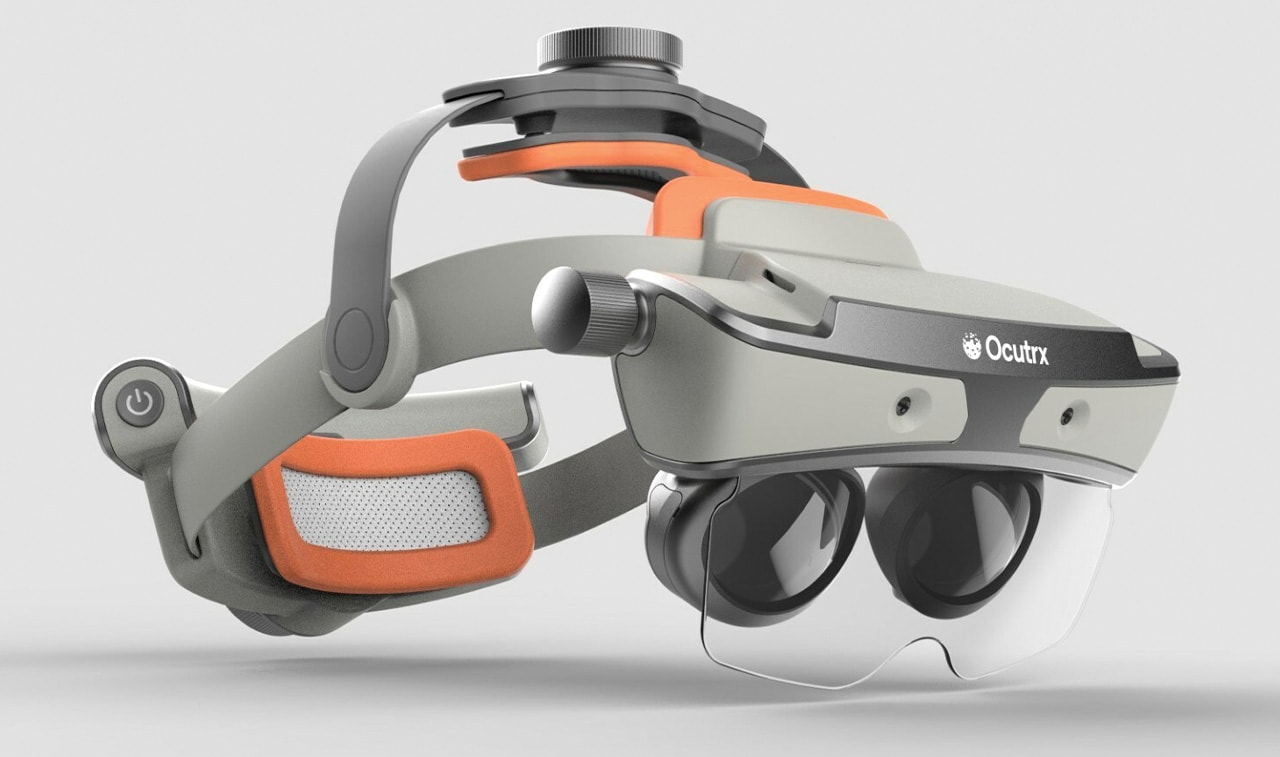
The OcuLenz AR headset assists patients with age-related macular degeneration by optimizing the use of remaining functional vision.
Head-mounted fundus imaging technology is being researched to capture retinal images, potentially improving disease screening.
Wearable assistive technologies have evolved to enhance daily activities for patients with low vision.
Clinical Implications
Clinicians should consider incorporating wearable technologies into their practice to enhance monitoring and management of retinal health. Understanding the limitations and potential of these devices will be crucial in optimizing patient care and improving accessibility to necessary assessments.
Conclusion
Wearable technology represents a transformative approach to monitoring retinal health, with the potential to enhance patient engagement and outcomes. Continued research and development in this field are essential for realizing its full clinical potential.
Researchers found that patients with higher waist circumference and lower grip strength had the greatest risk for developing type 2 diabetes during long-term follow-up.