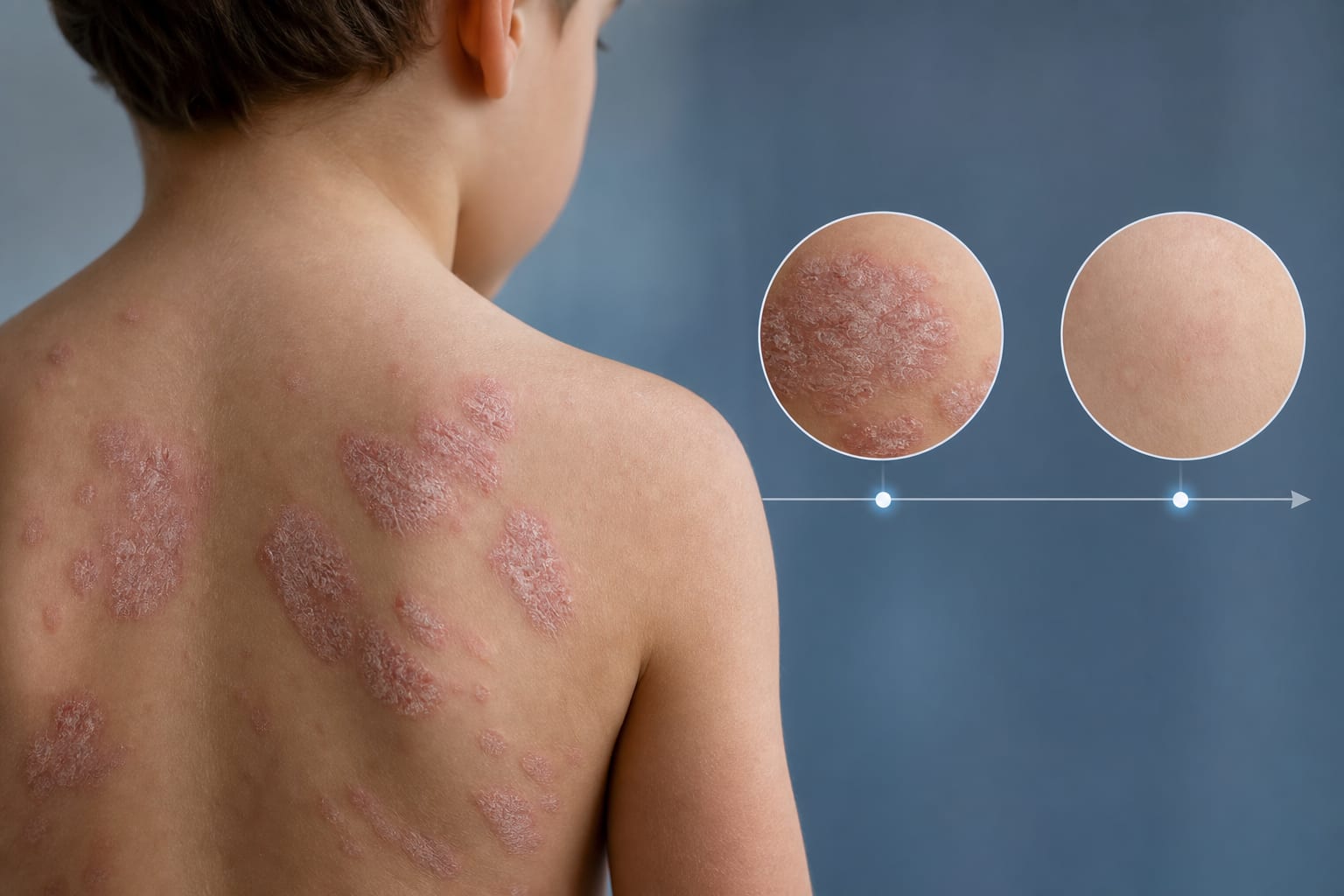
Facial Hemangiomas as Early Indicators of PHACE Syndrome in Infants
Overview
A case report highlights the diagnosis of PHACE syndrome in an infant presenting with large segmental facial hemangiomas and multiple congenital anomalies. Early recognition and multidisciplinary management led to clinical improvement and reduced stroke risk.
Background
PHACE syndrome is a rare neurocutaneous disorder characterized by large segmental infantile hemangiomas accompanied by posterior fossa brain malformations, arterial anomalies, cardiac defects, and eye abnormalities. Diagnosis requires a large facial hemangioma plus specific extracutaneous criteria. Early identification is critical due to the risk of cerebrovascular complications such as ischemic stroke. Multidisciplinary evaluation and targeted therapies are essential for optimal outcomes.
Data Highlights
Clinical Feature
Findings
Facial Hemangiomas
Large segmental, left periocular face
Brain Malformations
Dandy-Walker malformation, white matter deficiency, periventricular neuronal heterotopia
Supraumbilical raphe (ventral midline defect), bilateral orbital hemangiomas
Treatment
Aspirin 4 mg/kg/day, propranolol up to 3 mg/kg/day, prednisolone 1 mg/kg/day, topical timolol
Outcome at 5 Months
Reduction in hemangiomas, improved eye opening, age-appropriate development
Key Findings
Large segmental facial hemangiomas can be a key early sign of PHACE syndrome.
PHACE diagnosis requires a large facial hemangioma plus major arterial, structural brain, or ventral midline anomalies.
Imaging revealed Dandy-Walker malformation and cerebrovascular abnormalities increasing stroke risk.
Multidisciplinary care including dermatology, ophthalmology, genetics, and cardiology is critical.
Targeted therapies such as propranolol, aspirin, and topical timolol led to clinical improvement.
Early diagnosis and treatment may improve outcomes and reduce neurologic complications.
Clinical Implications
Clinicians should promptly evaluate infants presenting with large segmental facial hemangiomas for PHACE syndrome using comprehensive imaging and multidisciplinary assessment. Early initiation of therapies including beta-blockers and antiplatelet agents can reduce stroke risk and improve lesion outcomes. Coordination among specialties is essential for managing the complex manifestations of PHACE syndrome.
Conclusion
This case underscores the importance of recognizing large facial hemangiomas as potential markers of PHACE syndrome, enabling timely diagnosis and intervention that can improve clinical outcomes and reduce long-term neurologic risks.
Related Resources & Content
Overholt CM et al. 2024 -- Facial Hemangiomas May Signal PHACE Syndrome