Conexiant’s news site is now MDSpire News. Learn more
Advertisement
Comprehensive Bioinformatic Evaluation of NAD+-Related Protein-Coding Genes in Adipose Tissue Dysfunction: Insights from Targeted Transcriptomic Research in Rodents
Clinical Report: Comprehensive Bioinformatic Evaluation of NAD+-Related Genes
Overview
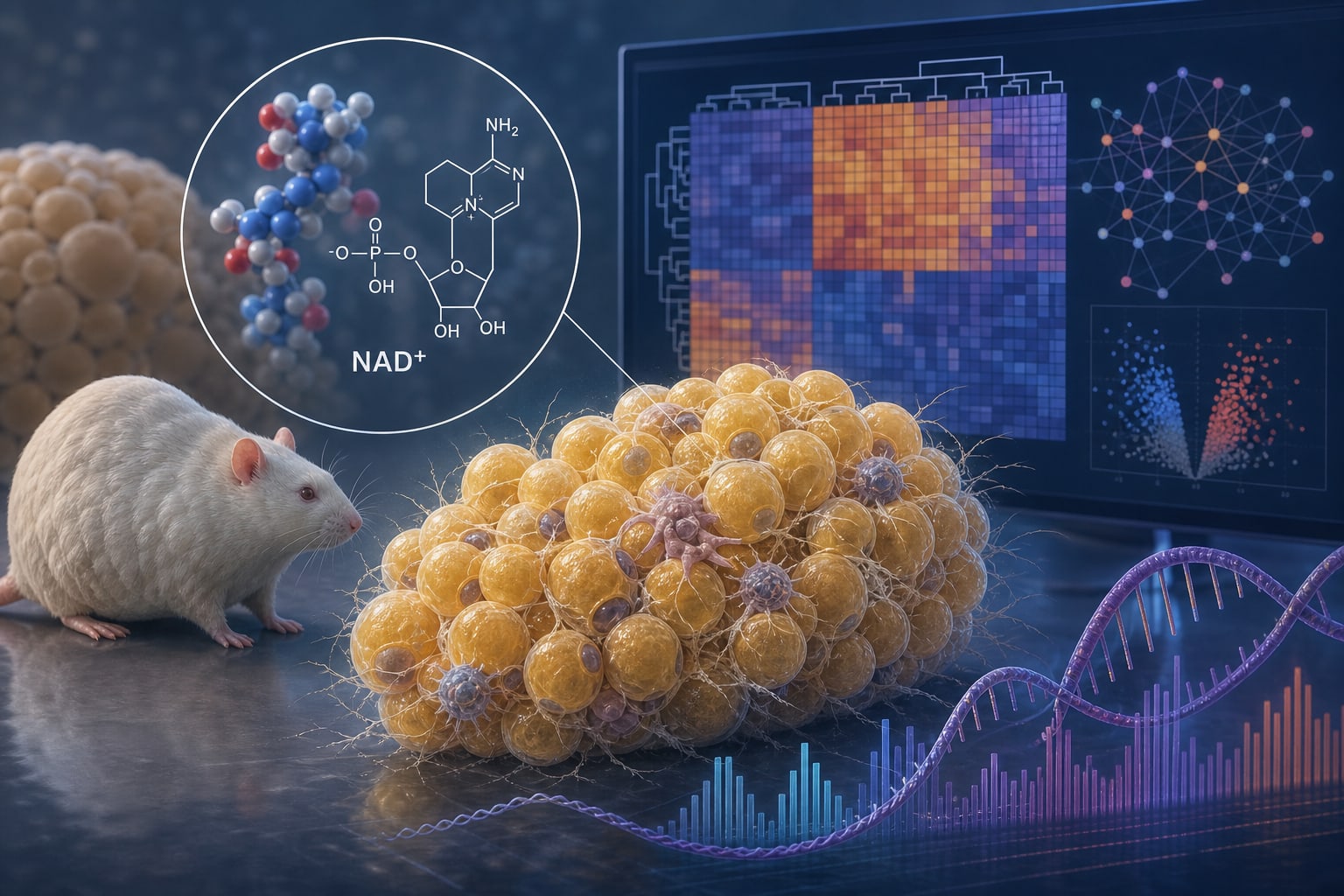
This study systematically evaluates NAD+-related protein-coding genes in adipose tissue dysfunction, identifying 113 unique genes and their associated pathways. Key findings include the involvement of these genes in thermogenesis, inflammation, and cellular respiration.
Background
Adipose tissue plays a critical role in energy homeostasis and is implicated in metabolic disorders such as obesity and insulin resistance. Understanding the molecular mechanisms, particularly the NAD+/SIRT axis, is essential for addressing adipose tissue dysfunction and its systemic effects. This study integrates bioinformatic analyses of NAD+-associated genes in adipose tissue.
Data Highlights
No numerical data presented in the article.
Key Findings
Identified 113 unique NAD+-associated protein coding genes from 17 studies.
Significant canonical pathways include thermogenesis, PPAR signaling, AMPK signaling, and adipogenesis.
Protein-protein interaction analysis revealed clusters related to thermogenesis, inflammation, and cellular respiration.
Master regulator analysis identified known regulators like leptin and novel regulators.
Links established between NAD+-associated genes and nutritional and cardiometabolic diseases.
Clinical Implications
Further research is warranted to explore the roles of identified regulators in the context of NAD+ metabolism.
Conclusion
This comprehensive evaluation of NAD+-related genes enhances our understanding of adipose tissue biology.
Guideline recommends screening, diagnosis, positive airway pressure therapy, and postpartum reassessment while highlighting the very low certainty of available evidence.