Gut microbiota transfer from autoimmune dry eye mice imprints stereotypic B cell receptor repertoires in the lacrimal gland and induces disease - Report - MDSpire
Advertisement
Gut microbiota transfer from autoimmune dry eye mice imprints stereotypic B cell receptor repertoires in the lacrimal gland and induces disease
Clinical Report: Transfer of Gut Microbiota Alters B Cell Receptor Profiles
Overview
This study demonstrates that transferring gut microbiota from autoimmune dry eye model mice to B6 mice alters B cell receptor profiles and induces Sjögren disease-like clinical features. Key findings include changes in gut microbiome composition, increased IL-6 mRNA levels, and the presence of stereotypic B cell receptor clonotypes.
Background
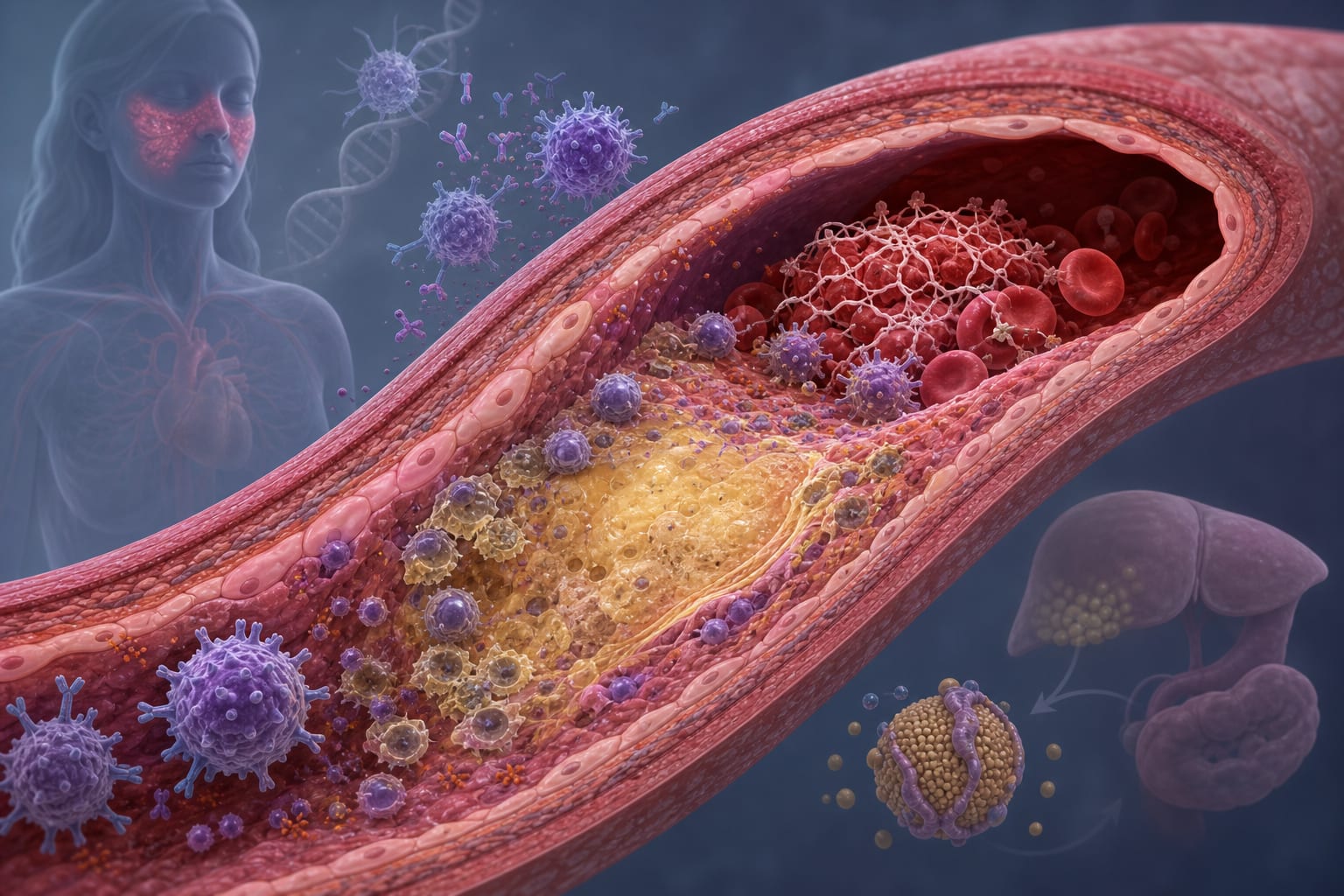
Sjögren disease (SjD) is a prevalent autoimmune condition characterized by exocrine gland dysfunction and systemic involvement. Understanding the role of gut microbiota in autoimmune diseases is crucial, as dysbiosis has been linked to the modulation of immune responses. This study explores the gut-ocular immune axis.
Data Highlights
Parameter
NOD-FMT Mice
Control Mice
Corneal fluorescein staining scores
Elevated
Normal
Tear production
Reduced
Normal
IL-6 mRNA levels
Increased
Normal
MUC5AC mRNA levels
Decreased
Normal
Key Findings
Transfer of gut microbiota from NOD mice resulted in SjD-like clinical features in B6 mice.
Increased IL-6 mRNA levels were observed in NOD-FMT mice.
Reduced tear production was noted in NOD-FMT mice compared to controls.
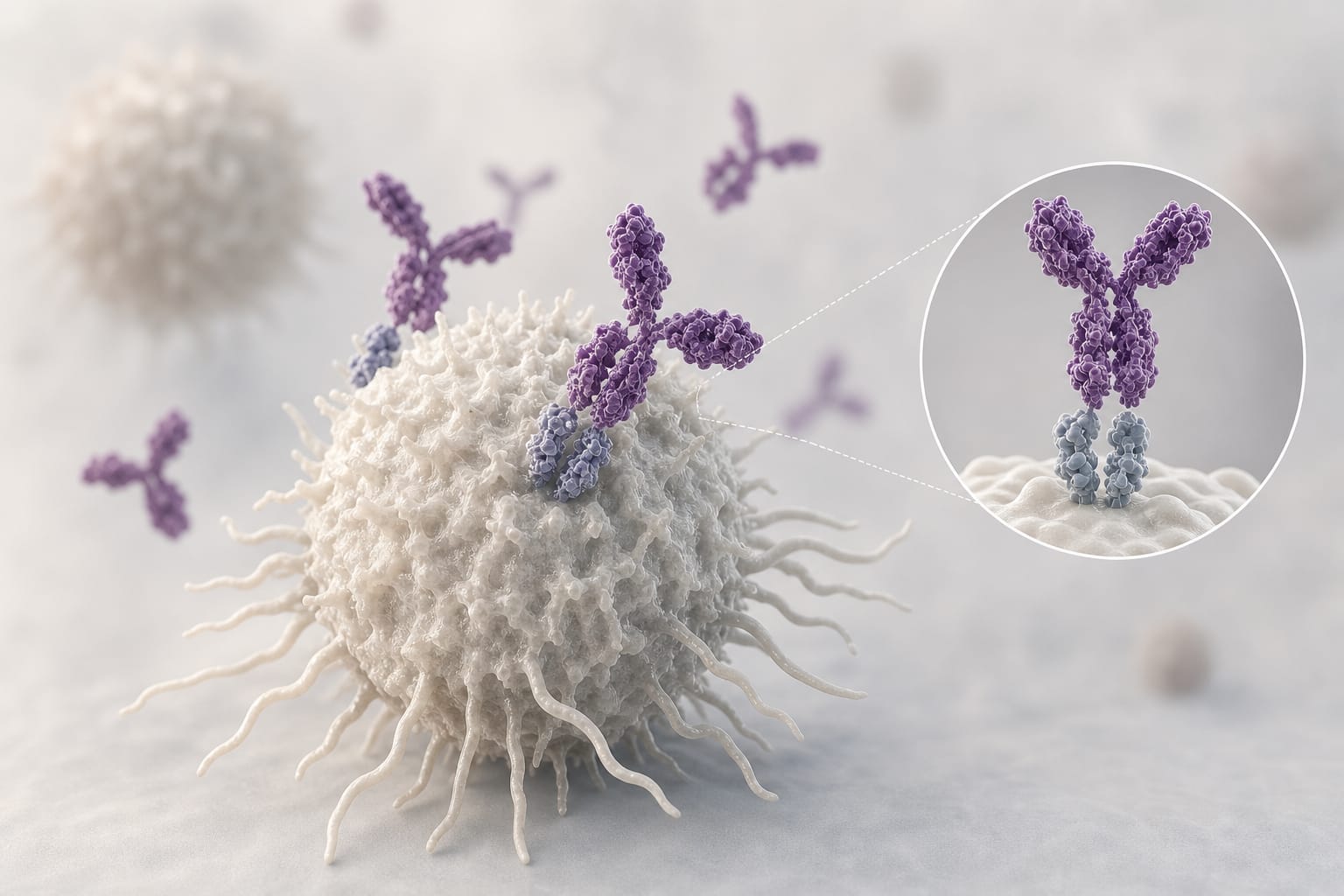
Stereotypic B cell receptor clonotypes were shared at higher frequencies in NOD-FMT mice.
Majority of B cell clones with stereotypic clonotypes expanded locally in the lacrimal gland.
Clinical Implications
The findings indicate a role for gut microbiota in the development of autoimmune dry eye disease through modulation of B cell responses.
Conclusion
This study highlights the impact of gut microbiota on B cell receptor profiles and the development of Sjögren disease-like symptoms.
by Seonghwan Kim, Soobin Lee, Soyeon Ju, Jaewoong Bae, Jin Suk Ryu, Yerim Heo, Wan Jae Choi, Kum-Joo Shin, Seok-Jin Kim, Namphil Kim, Hansol Choi, Jiyun Park, Eunjae Lee, Chang Ho Yoon, Sunghoon Kwon, Junho Chung, Mee Kum Kim