Clinical Report: Evaluation of Factors Influencing Embryo Quality in Endometriosis
Overview
This study identifies key clinical factors that impact embryo quality and quantity in endometriosis patients undergoing IVF/ICSI-ET. The findings suggest that specific ovarian reserve indicators can effectively predict oocyte yield and improve treatment strategies.
Background
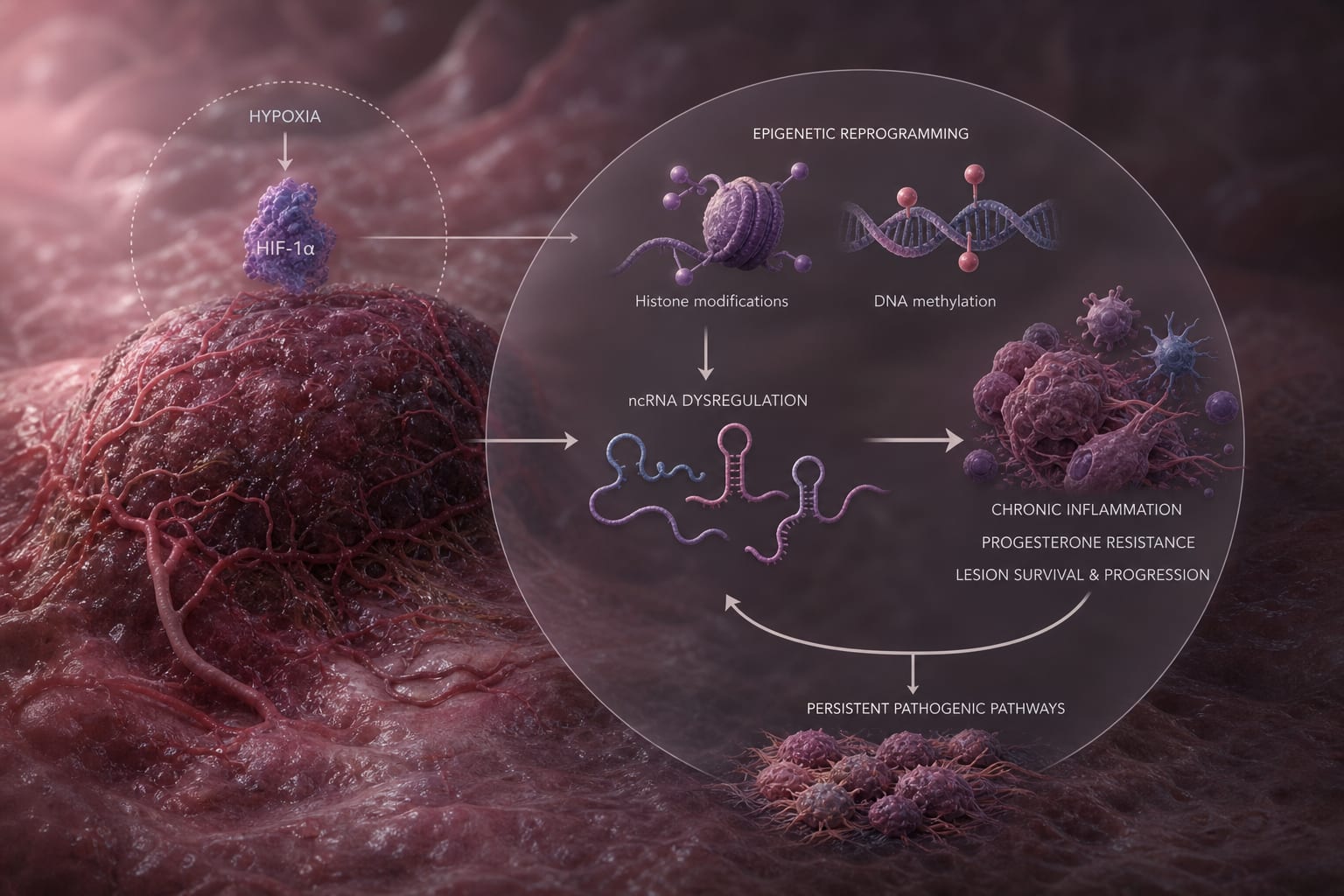
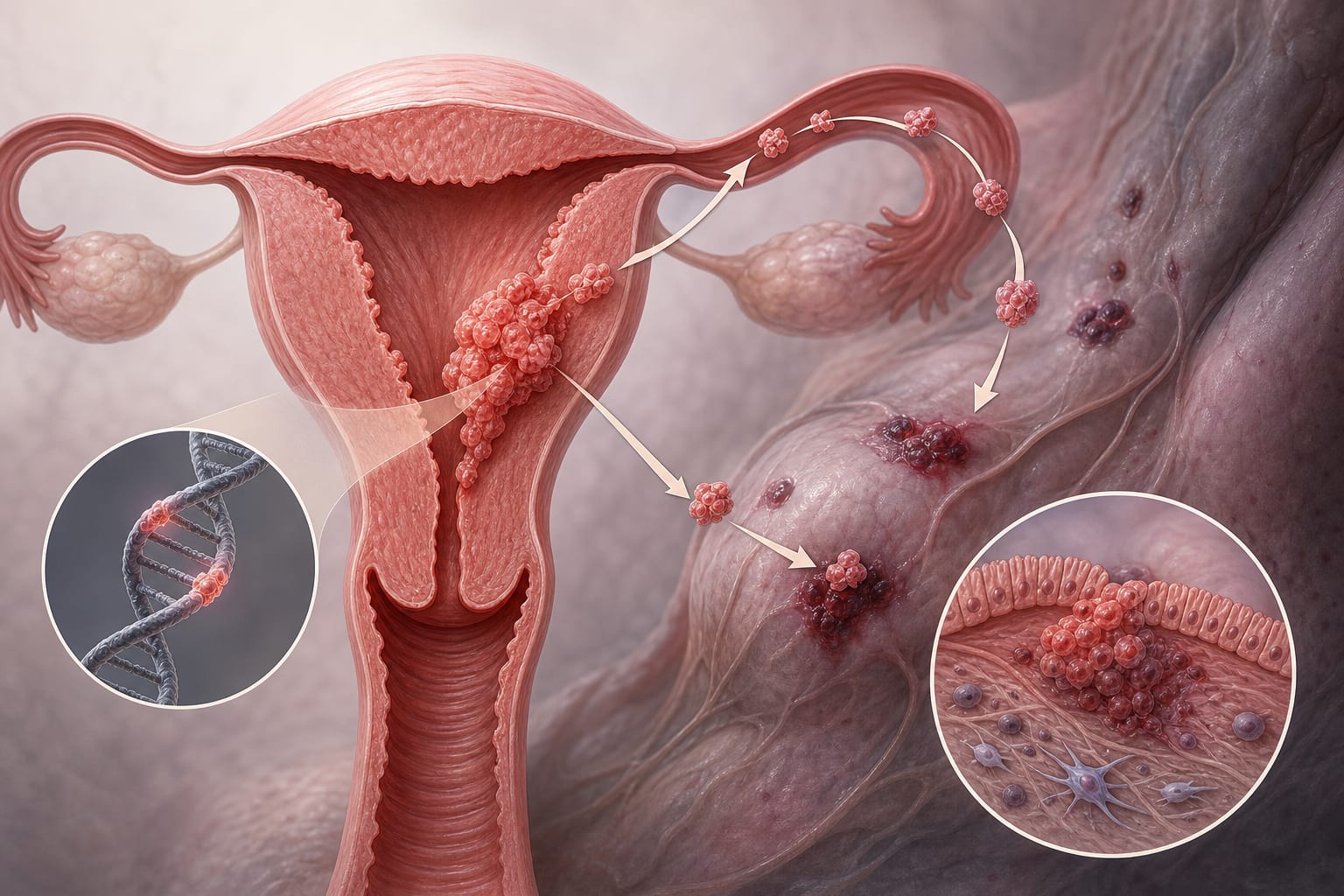
Endometriosis is a significant cause of infertility, affecting approximately 30% of affected women. The condition is associated with impaired oocyte quality and reduced embryonic development potential, complicating fertility treatments like IVF/ICSI-ET. Understanding the factors influencing embryo quality is crucial for optimizing treatment outcomes in this patient population.
Data Highlights
Model Performance
Training Set AUC
Validation Set AUC
Discriminative Ability
0.765 (95% CI: 0.749–0.769)
0.776 (95% CI: 0.747–0.789)
Key Findings
Anti-Müllerian Hormone (AMH) levels and Antral Follicle Count (AFC) are strong predictors of oocyte yield in endometriosis patients.
The presence of bilateral endometriomas negatively impacts both oocyte yield and high-quality embryo rates.
GnRH agonist pre-treatment improves clinical outcomes in IVF/ICSI cycles for endometriosis patients.
The predictive nomogram developed can assist in early prognostication of ovarian response.
Endometriosis patients may require higher gonadotropin doses and produce fewer viable embryos compared to those without the condition.
Clinical Implications
Clinicians should consider AMH and AFC when assessing endometriosis patients for IVF/ICSI-ET to tailor treatment strategies effectively. The use of GnRH agonists may enhance embryo quality and quantity, warranting further exploration in clinical practice.
Conclusion
The study underscores the importance of specific clinical factors in predicting embryo quality and quantity in endometriosis patients. Utilizing these predictors can lead to more personalized and effective fertility treatment approaches.
Federal prosecutors allege that a Florida physician and research staff fabricated clinical trial records that were submitted into database systems used to evaluate investigational drugs.