ERCC6L in human cancers: oncogenic functions, molecular mechanisms, and clinical implications as a prognostic biomarker and therapeutic target - Report - MDSpire
Advertisement
ERCC6L in human cancers: oncogenic functions, molecular mechanisms, and clinical implications as a prognostic biomarker and therapeutic target
Clinical Report: The Role of ERCC6L in Human Malignancies
Overview
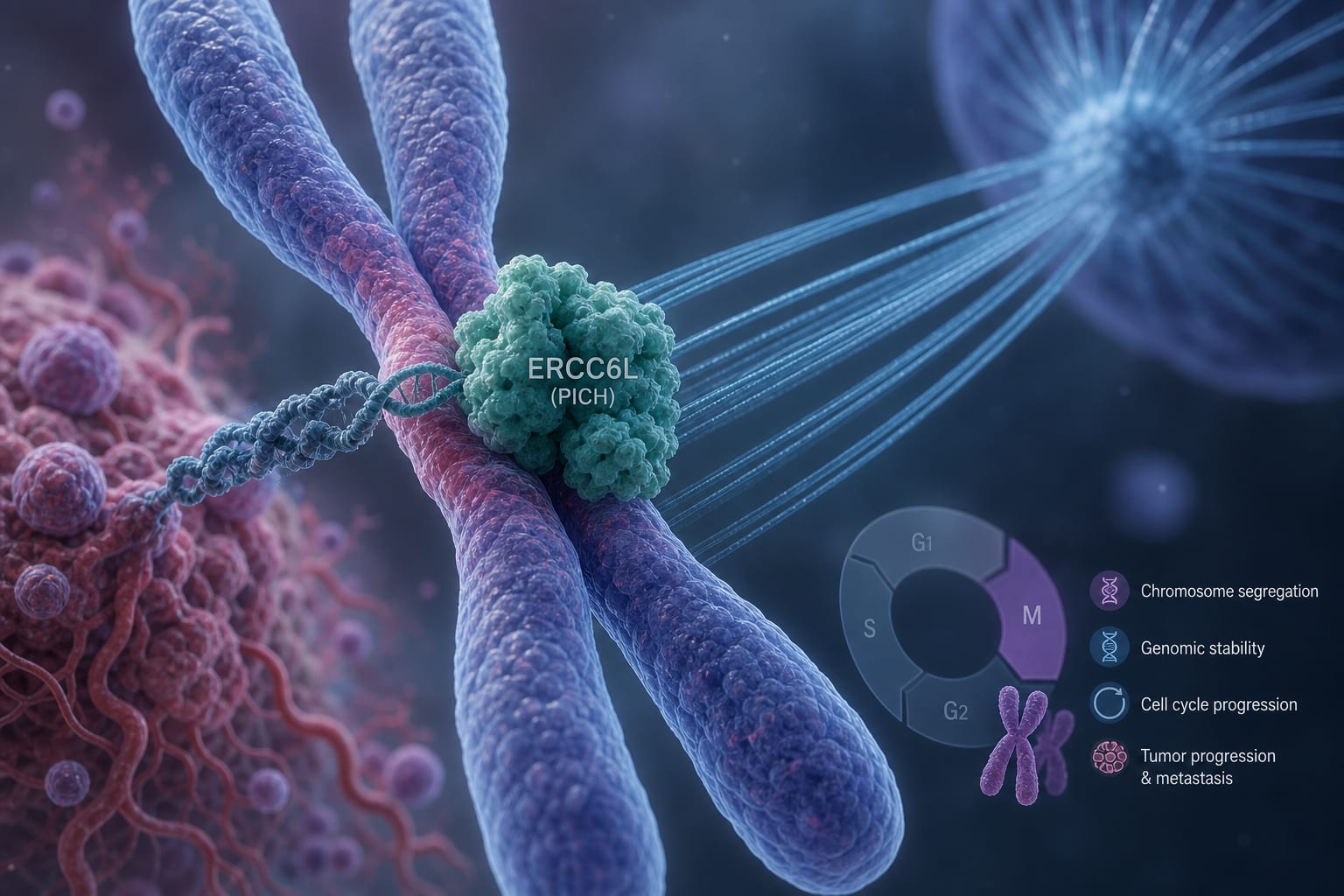
ERCC6L, an ATPase and DNA helicase, is frequently overexpressed in various cancers and correlates with poor prognosis. Its oncogenic properties include promoting cell proliferation, invasion, and resistance to therapies.
Background
The deregulation of DNA repair and cell cycle control mechanisms is a hallmark of cancer, making the study of ERCC6L particularly relevant. Its involvement in critical processes such as mitotic chromosome segregation and DNA damage response highlights its significance in cancer biology.
Data Highlights
No specific numerical data or trial results were provided in the source material.
Key Findings
ERCC6L is overexpressed in most tumor types compared to normal tissues.
High ERCC6L expression correlates with advanced tumor stage, metastasis, and poor prognosis.
ERCC6L promotes malignant phenotypes by enhancing cell proliferation and invasion.
It activates pro-survival signaling pathways, including PI3K/AKT and NF-κB.
ERCC6L is linked to an immunosuppressive tumor microenvironment.
Inhibition of ERCC6L has shown to suppress tumor growth in preclinical models.
Clinical Implications
The consistent association of ERCC6L with aggressive tumor behavior suggests its potential utility as a prognostic biomarker.
Conclusion
ERCC6L's oncogenic properties and association with poor clinical outcomes warrant further investigation.