The safety and efficacy of human umbilical cord mesenchymal stem cell for acute respiratory distress syndrome: an open-label and multicenter phase 1 clinical trial - Report - MDSpire
Advertisement
The safety and efficacy of human umbilical cord mesenchymal stem cell for acute respiratory distress syndrome: an open-label and multicenter phase 1 clinical trial
Clinical Report: Evaluation of Safety and Preliminary Efficacy of hUC-MSCs in ARDS
Overview
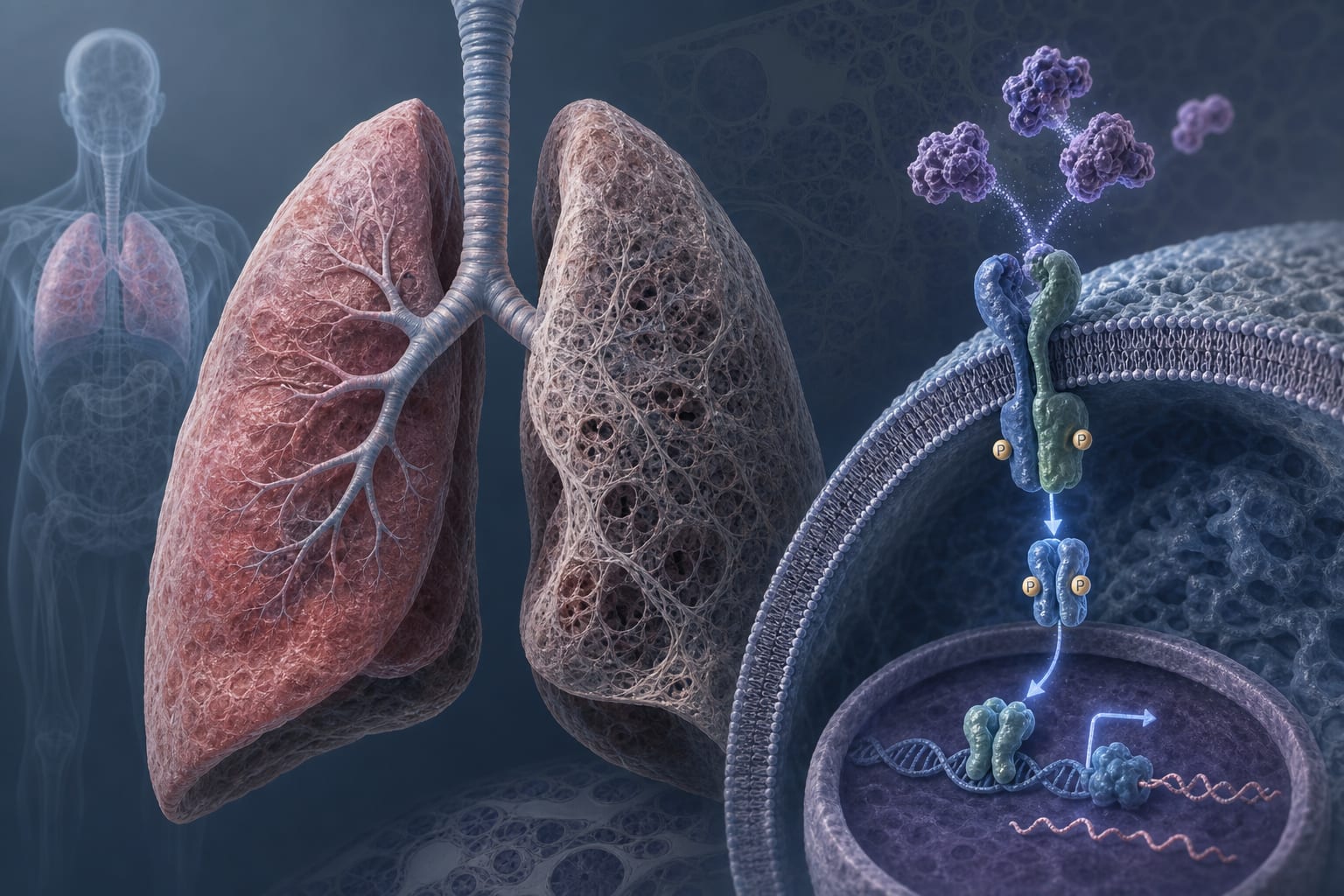
This Phase I trial evaluated the safety and preliminary efficacy of allogeneic human umbilical cord mesenchymal stem cells (hUC-MSCs) in patients with mild-to-moderate Acute Respiratory Distress Syndrome (ARDS). Results indicated no severe adverse events and promising efficacy in the middle dose group, warranting further investigation.
Background
Acute Respiratory Distress Syndrome (ARDS) is a critical condition with high mortality rates and limited treatment options. The incidence of ARDS has increased, particularly during the COVID-19 pandemic, highlighting the urgent need for effective therapies. Mesenchymal stem cells (MSCs) have shown potential in modulating inflammatory responses and improving outcomes in ARDS patients.
Data Highlights
Outcome
Result
P-value
28-day all-cause mortality rate
8.3% (1/12)
-
PaO2/FiO2 improvement (middle dose)
+100.07 mmHg
P < 0.001
PaO2 improvement (middle dose)
+21.88 mmHg
P = 0.002
Lung Injury Score reduction
Significant
-
SOFA score reduction
Significant
-
APACHE II score reduction
Significant
-
Key Findings
No dose-limiting toxicity or severe adverse events were observed across all dose groups.
The overall 28-day all-cause mortality rate was 8.3%, with 0% mortality in COVID-19-related ARDS patients.
Significant improvements in PaO2/FiO2 and PaO2 were noted in the middle dose group.
Reductions in Lung Injury Score, SOFA, and APACHE II scores were significant without dose-dependent effects.
hUC-MSCs modulated the inflammatory response and restored immune balance.
Clinical Implications
The findings suggest that hUC-MSCs are safe and well-tolerated in patients with mild-to-moderate ARDS. The observed improvements in oxygenation and lung injury scores indicate potential therapeutic benefits that may inform future treatment strategies.
Conclusion
The trial demonstrates the safety and preliminary efficacy of hUC-MSCs in ARDS patients, supporting the need for larger randomized controlled trials to further evaluate their therapeutic potential.