Precision Oncology in Practice: How Theranostics Personalizes Treatment - Report - MDSpire
Advertisement
Precision Oncology in Practice: How Theranostics Personalizes Treatment
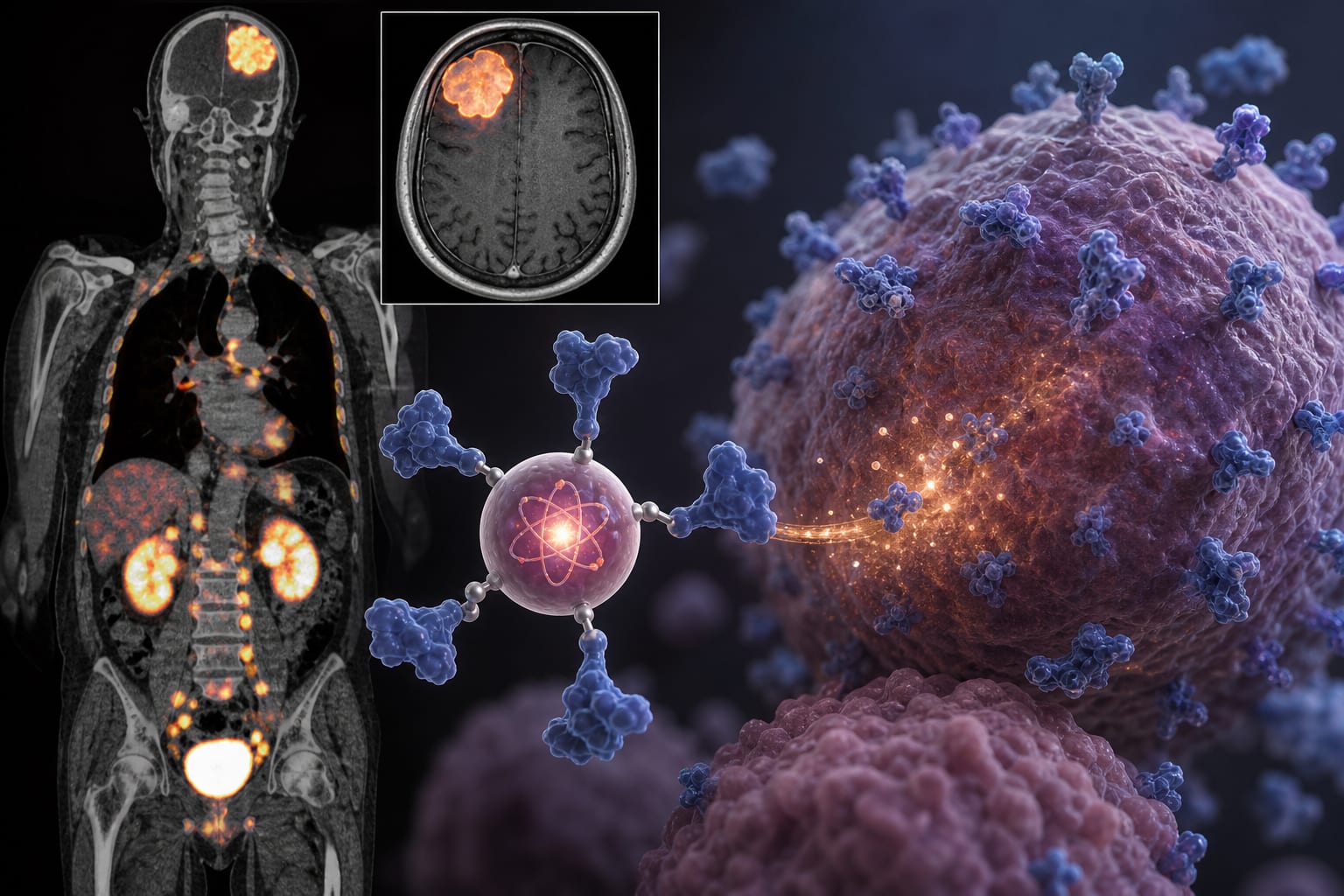
In precision oncology, theranostics stands out as a transformative approach that tailors cancer treatment to the unique molecular profile of each patient. By integrating advanced diagnostic imaging with targeted therapy, theranostics ensures that treatments are customized to the unique characteristics of each patient's cancer, thereby optimizing efficacy and minimizing adverse effects.
Clinical Report: Precision Oncology in Practice: How Theranostics Personalizes Treatment
Overview
Expand to include examples of diagnostic imaging and targeted therapies used in theranostics.
Background
Cancer's heterogeneity necessitates personalized treatment strategies rather than a one-size-fits-all approach. Theranostics addresses this need by enabling clinicians to visualize specific molecular targets within tumors, allowing for targeted therapy that directly attacks malignant cells. This method not only improves treatment precision but also facilitates real-time monitoring of therapeutic effectiveness.
Data Highlights
Incorporate specific statistics or references to clinical studies demonstrating efficacy.
Key Findings
Theranostics tailors cancer treatment to the unique molecular profile of each patient.
Positron Emission Tomography-Computed Tomography (PET-CT) is used to visualize specific molecular targets in tumors.
Prostate cancer therapies utilizing PSMA targeting agents have shown notable decreases in tumor size.
Peptide Receptor Radionuclide Therapy (PRRT) effectively targets neuroendocrine tumors, leading to significant tumor reduction.
Patient selection for theranostic applications is based on the presence of specific molecular targets, ensuring optimal treatment efficacy.
Clinical Implications
Clinicians should consider incorporating theranostic approaches in cancer treatment to enhance personalization and improve patient outcomes. The integration of advanced imaging techniques with targeted therapies can lead to more effective treatment plans tailored to individual patient profiles.
Conclusion
Theranostics exemplifies the principles of precision oncology, offering a promising approach to cancer treatment that aligns therapeutic interventions with the unique characteristics of each patient's cancer. This strategy not only enhances treatment effectiveness but also paves the way for more personalized cancer care.