Clinical Report: The Contribution of Friends in Support Networks for Caregiving
Overview
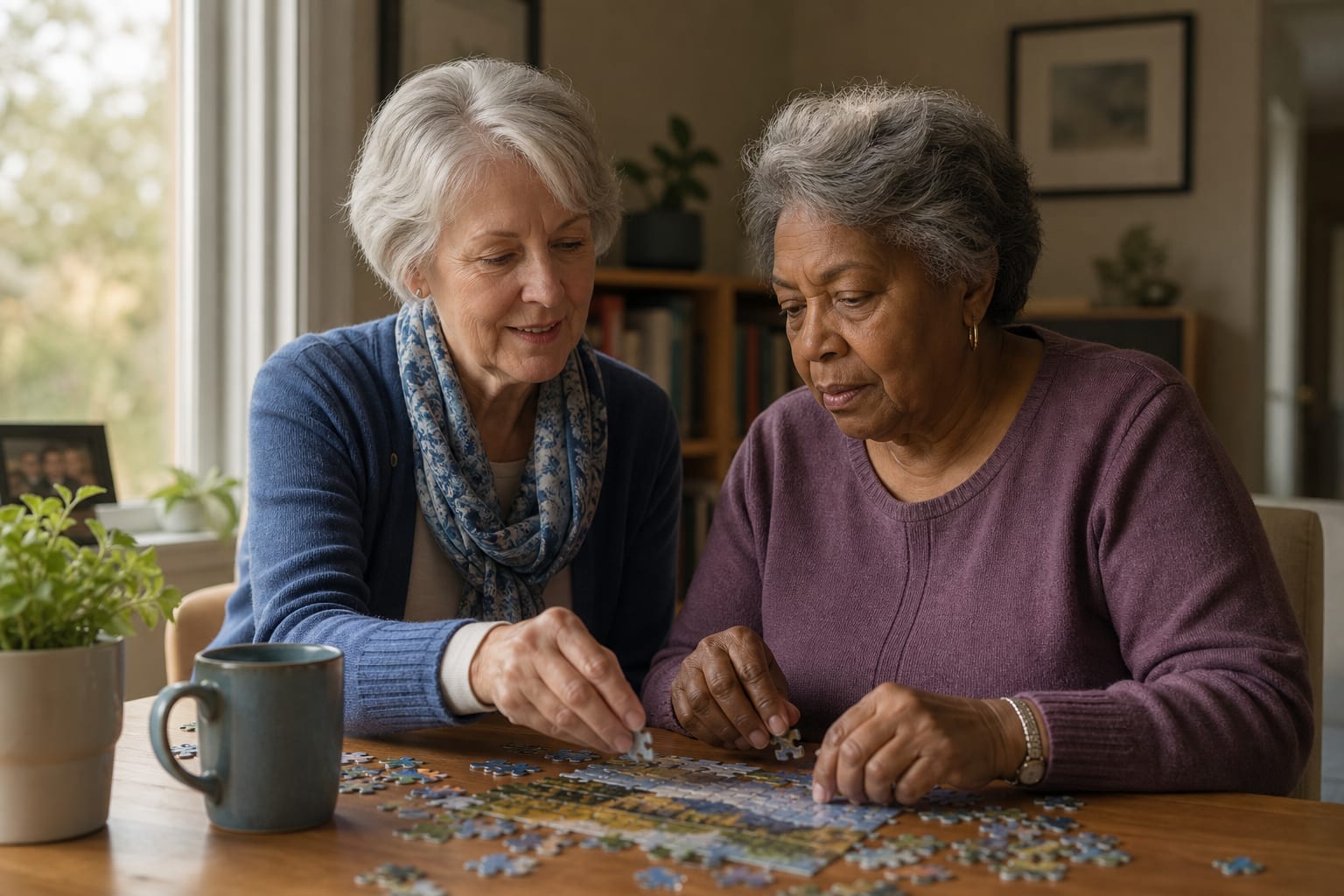
This study examines the role of friends in caregiving networks for older adults, revealing that approximately 2.4 million friends provide care in the U.S. (Ng et al, 2023). Friends typically offer less intensive support compared to family members, focusing on specific tasks like transportation and grocery shopping.
Background
As the global population ages, the demand for caregiving support is increasing, with many older adults requiring assistance due to chronic illnesses or cognitive impairments. Understanding the dynamics of caregiving networks, including the contributions of friends, is essential for addressing the needs of this population and ensuring adequate support systems are in place (Ng et al, 2023).
Data Highlights
No numerical data available.
Key Findings
Approximately 2.4 million friends provide care to older adults in the U.S.
Friends provide fewer hours of care compared to family members (18.1 vs 66.6 hours per month).
Friends are more likely to assist with transportation (65.7% vs 52.7%) than hands-on personal care.
Older adults receiving support from friends tend to be younger, college-educated, female, unmarried, and living alone.
Friend caregiving may be underreported, as friends often view their assistance as part of friendship rather than caregiving.
Clinical Implications
Healthcare professionals should recognize the role of friends in caregiving networks and consider their contributions when assessing patient support systems.
Conclusion
The study highlights the significant role of friends in caregiving for older adults.
The expanded indication is supported by pharmacokinetic, safety, tolerability, exploratory efficacy, and long-term safety data from studies in children aged 2 to 5 years.
Brief GPT-4o chatbot conversations increased parents' HPV vaccination intentions immediately following exposure, but public health materials showed more durable effects, and no intervention increased self-reported vaccination uptake.