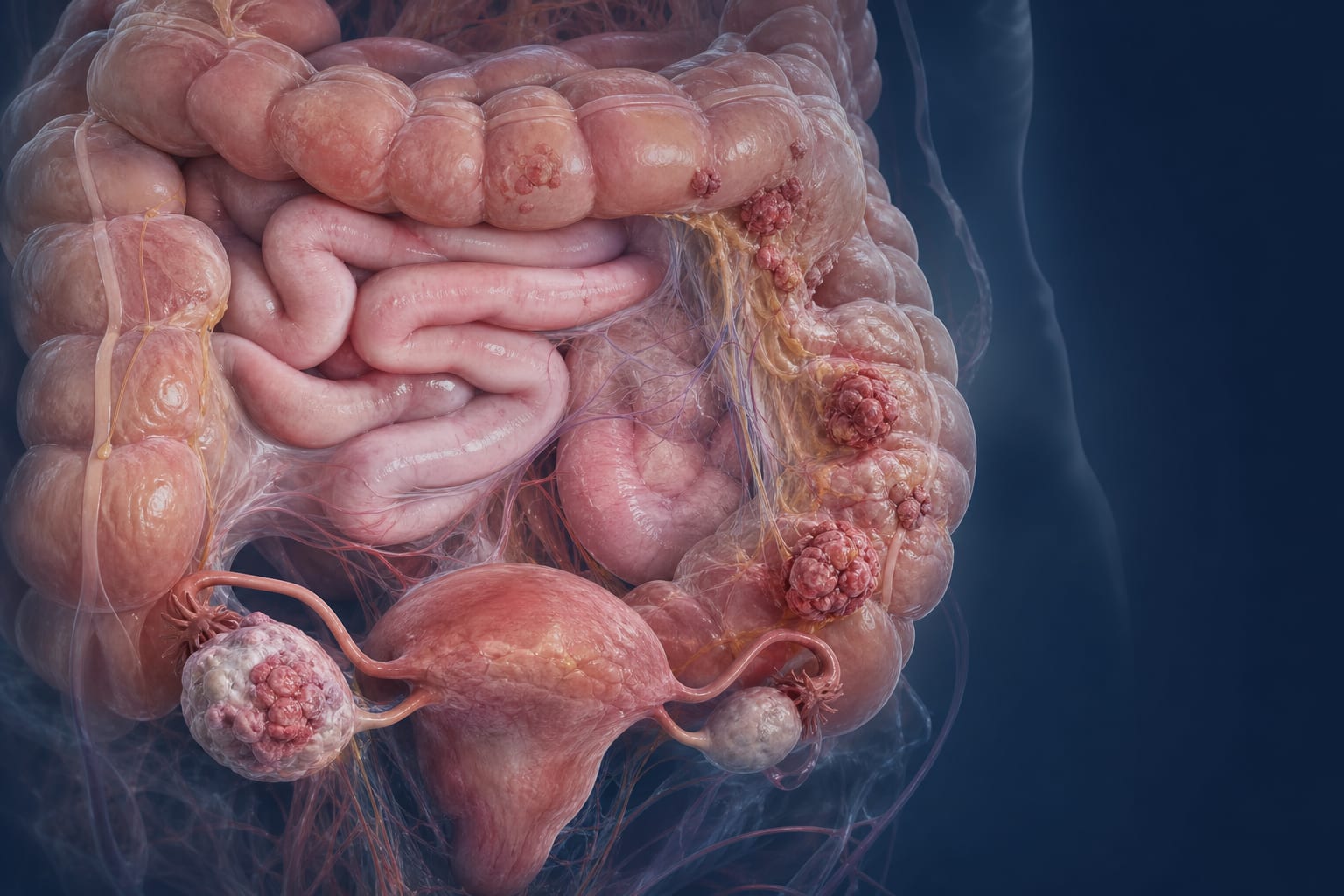
Clinical Report: Immunotherapy Maintains Ovarian Function in a Mouse Model of Breast Cancer
Overview
This study investigates the effects of immunotherapy on ovarian function in a mouse model of triple negative breast cancer (TNBC). Results indicate that immunotherapies targeting PD-1, LAG-3, and TIM-3 do not adversely affect ovarian follicles, estrus cyclicity, or hormonal homeostasis.
Background
Triple negative breast cancer (TNBC) accounts for 15%-20% of breast cancer cases and is more prevalent in reproductive-age women. Conventional chemotherapy, often used to treat TNBC, can lead to infertility and endocrine dysfunction. Understanding the impact of newer immunotherapies on reproductive health is crucial for developing fertility-sparing treatment options.
Data Highlights
No significant changes were observed in ovarian architecture, follicle abundance, estrus cyclicity, or hormonal levels following immunotherapy treatment in the studied mouse models.
Key Findings
Immunotherapies targeting PD-1, LAG-3, and TIM-3 did not affect ovarian follicle quality or quantity.
Estrus cyclicity remained unchanged in mice treated with immunotherapy.
Hormonal homeostasis was preserved in the treated mouse models.
Clinical Implications
The findings suggest that immunotherapy could be integrated into treatment regimens for TNBC without compromising ovarian function. This may provide a viable option for women wishing to preserve fertility during cancer treatment.
Conclusion
Immunotherapy appears to maintain ovarian function in a mouse model of TNBC, indicating its potential as a fertility-sparing treatment approach.