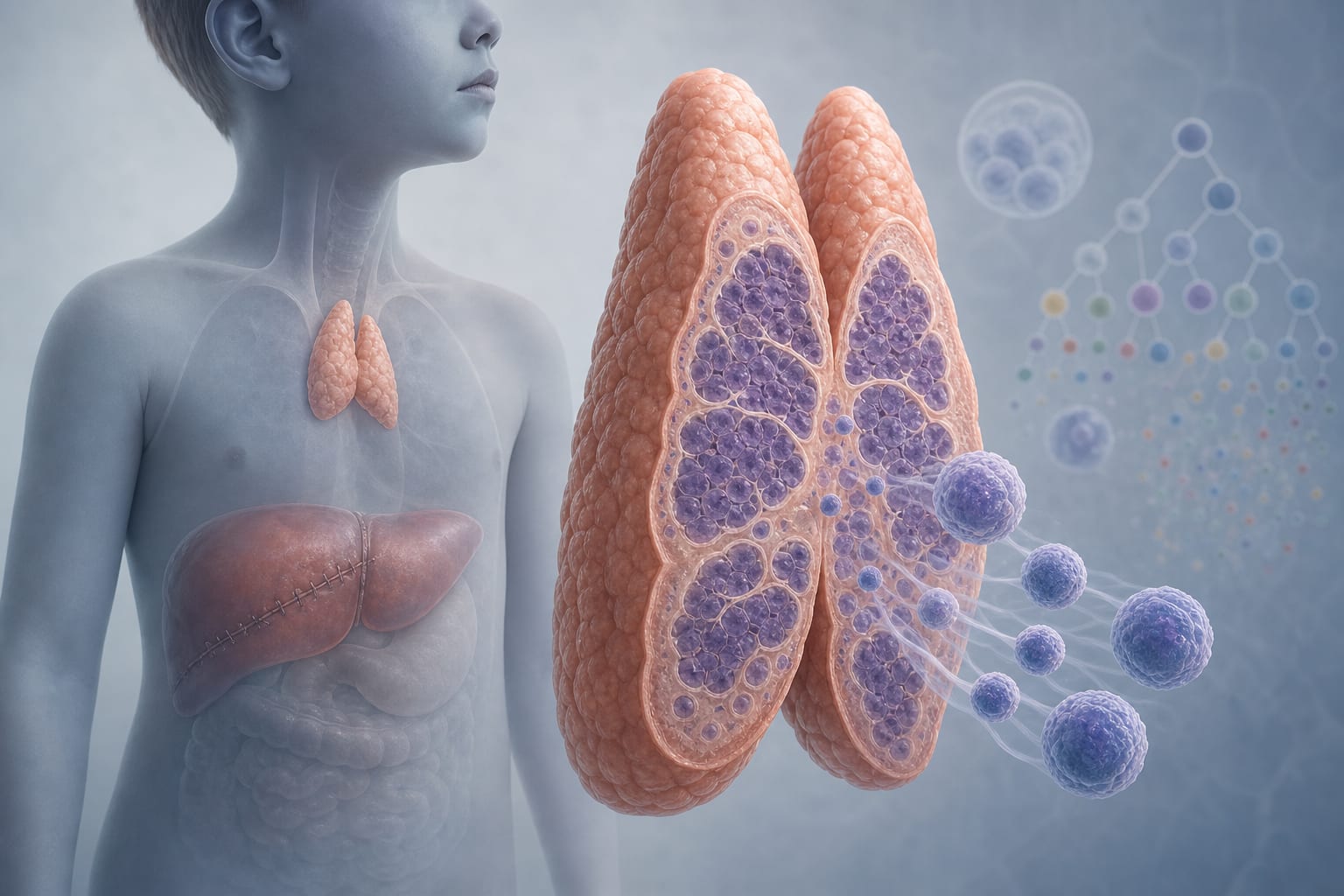
Clinical Report: Establishing a Gastroenterology Fellowship Program in Rwanda
Overview
Rwanda has initiated its first national gastroenterology and hepatology fellowship program to address the critical shortage of gastroenterologists. This program aims to enhance local training capacity and improve GI care access in the region.
Background
Gastrointestinal and liver diseases pose a significant public health challenge in sub-Saharan Africa, with a notable increase in prevalence over the past decades. Despite the rising burden, there is a severe shortage of trained specialists and resources to manage these conditions effectively. Rwanda's establishment of a fellowship program represents a strategic effort to build local capacity and improve healthcare outcomes in this area.
Data Highlights
No numerical data available in the source material.
Key Findings
Rwanda's GI fellowship program was launched to address the shortage of gastroenterologists.
The program is accredited by the University of Rwanda and focuses on local training supplemented by international collaboration.
Four fellows, with 75% being women, were selected for the inaugural cohort.
Graduates of the program will contribute to training future cohorts and enhance educational quality in Rwanda.
Research is a core component, with each fellow completing a mentored project to contribute to the regional evidence base.
Clinical Implications
The establishment of a local fellowship program in gastroenterology is expected to enhance the training of specialists in Rwanda, thereby improving access to GI care. This model may serve as a framework for similar initiatives in other resource-limited settings.
Conclusion
Rwanda's gastroenterology fellowship program marks a significant step towards addressing the critical gaps in GI healthcare. The program's focus on local training and mentorship aims to ensure sustainability and improve health outcomes.
by Hanna Aberra, Kulwinder S Dua, Dirk J Van Leeuwen, Florence Masaisa, Gamal Salah, Vincent Dusabejambo, Eric Rutaganda, Kara Neil, Janvier Murayire, Emile Sebera, Augustin Sendegeya, Innocent Dadamessi, Zerihun Abebe, Menelas Nkeshimana, Frederick Makrauer, Timothy Walker, Steve Bensen, Berhane Redae