Effect of Remote Ischemic Preconditioning on the Risk of Contrast-Induced Acute Kidney Injury in Patients with Coronary Heart Disease Undergoing Percutaneous Coronary Intervention - Report - MDSpire
Advertisement
Effect of Remote Ischemic Preconditioning on the Risk of Contrast-Induced Acute Kidney Injury in Patients with Coronary Heart Disease Undergoing Percutaneous Coronary Intervention
Impact of Remote Ischemic Preconditioning on CIAKI Risk in CHD Patients
Overview
Expand on the implications of RIPC's effectiveness in the context of existing preventive measures for CIAKI.
Background
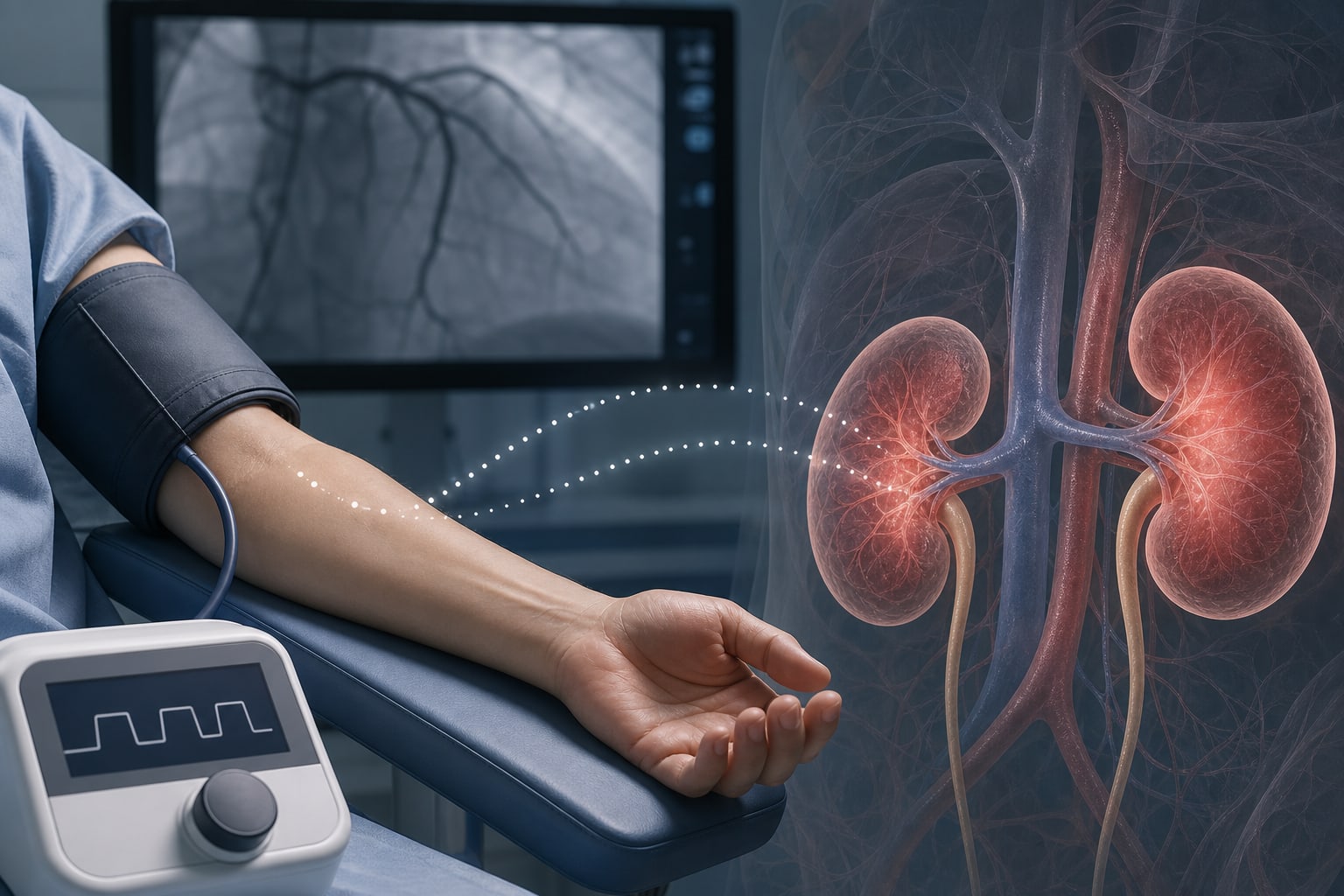
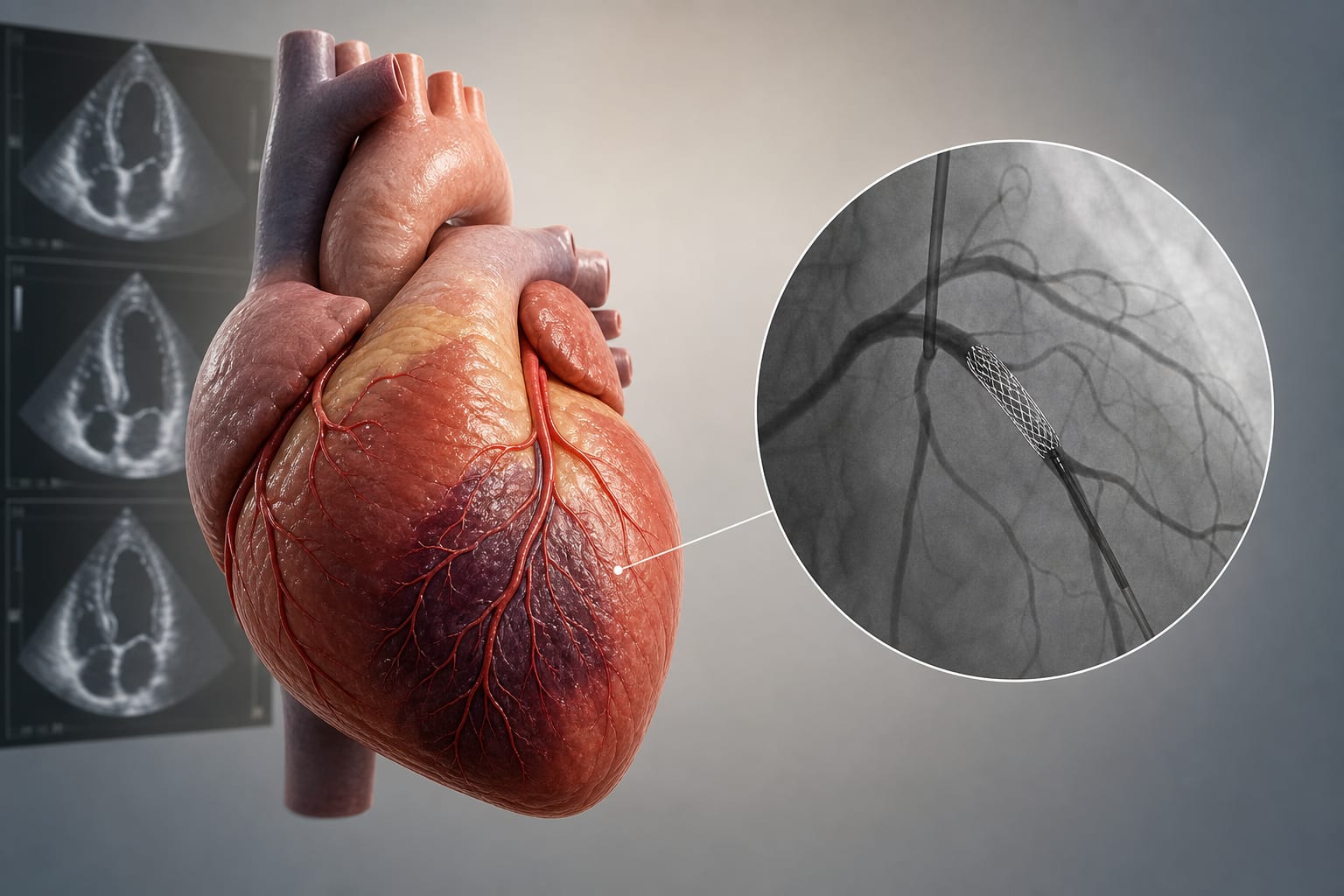
Contrast-induced acute kidney injury (CIAKI) is a common and serious complication following percutaneous coronary intervention (PCI), despite existing preventive measures. The residual risk of CIAKI remains high, necessitating alternative strategies to protect renal function. Remote ischemic preconditioning (RIPC) has emerged as a potential non-invasive approach to mitigate ischemia-reperfusion injury, particularly in the kidneys.
Data Highlights
Revise the table to ensure clarity and consistency; consider adding a footnote for the P-value in the control group.
Key Findings
The incidence of CIAKI was significantly lower in the RIPC group (6.2%) compared to the control group (12.0%).
RIPC was identified as an independent protective factor against CIAKI with an odds ratio of 0.338.
No significant difference in major adverse cardiac events (MACE) was observed between the two groups during the 90-day follow-up.
Renal function was assessed at baseline, 48 hours, and one week post-PCI.
The study included 484 patients who underwent elective PCI.
Clinical Implications
RIPC may serve as a simple and cost-effective strategy to reduce the risk of CIAKI in patients with CHD undergoing PCI. Clinicians should consider incorporating RIPC into pre-procedural care to enhance renal protection.
Conclusion
Highlight the necessity for further research to validate findings and address study limitations.
National survey findings suggest many US adults report making health decisions based on social media despite widespread concerns about the accuracy of health information shared to the platforms.