Utilization of the SF-BARI Score to Assess Long-Term Outcomes After Bariatric Surgery
Overview
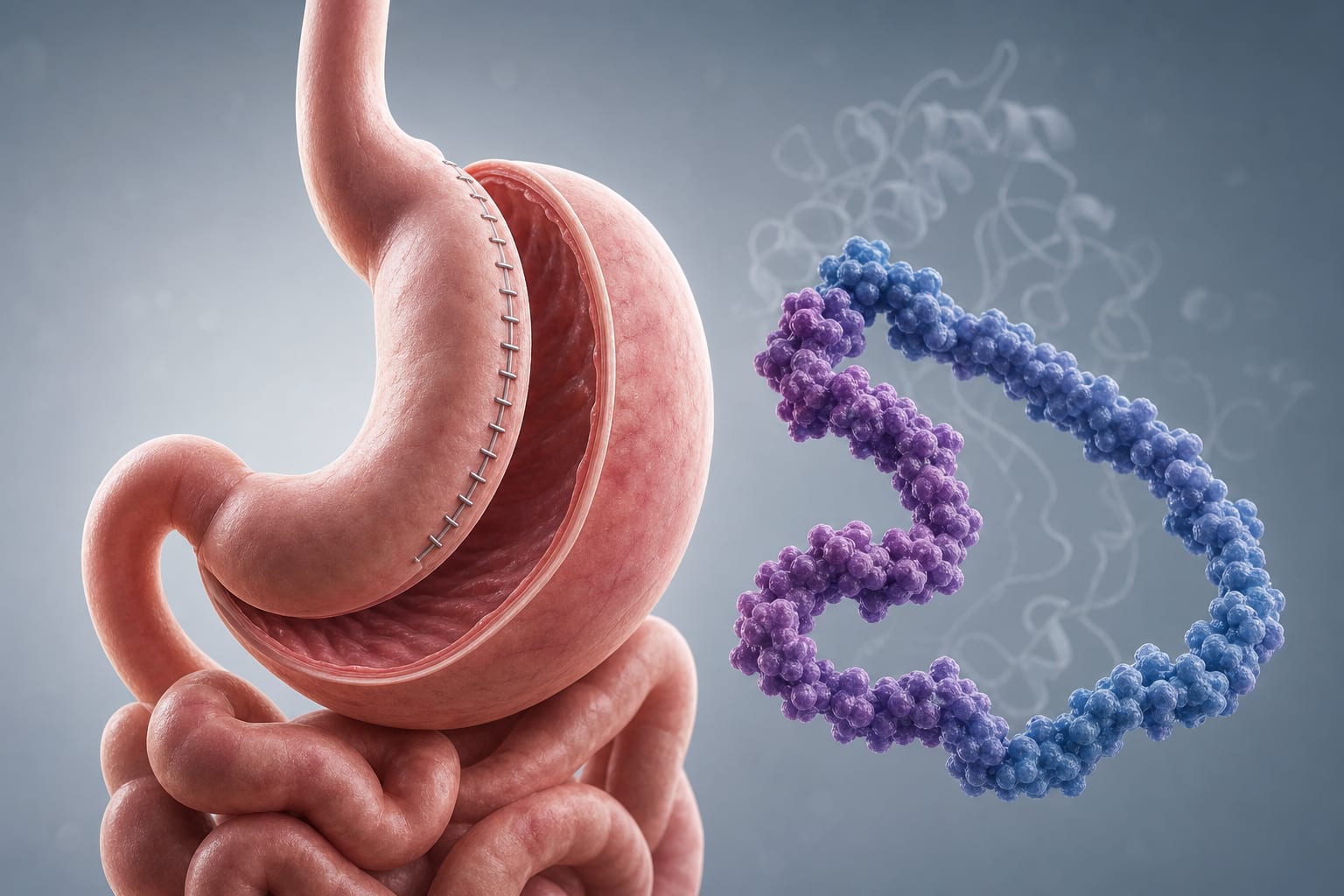
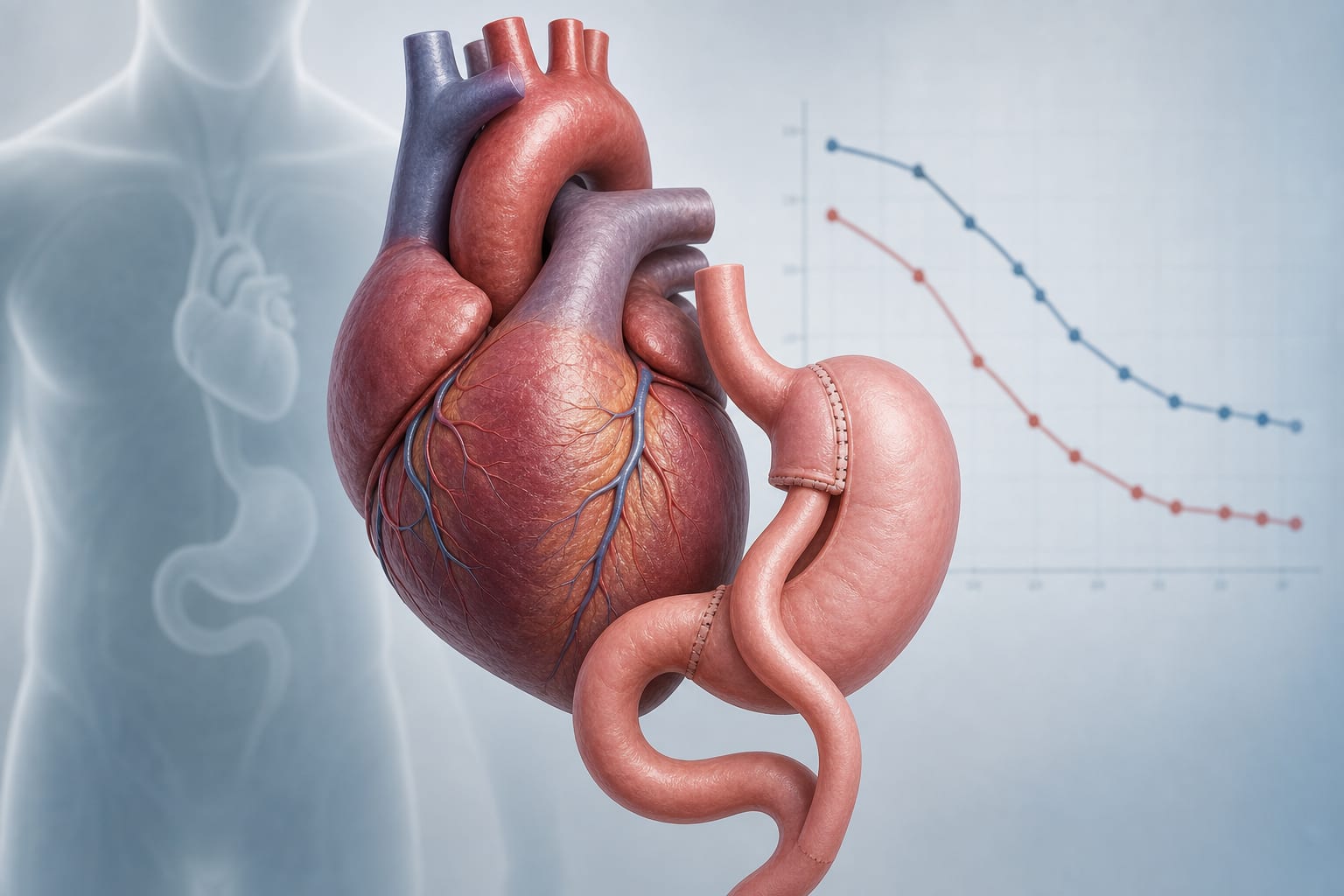
This study evaluates the Swiss-Finnish Bariatric Metabolic Outcome Score (SF-BARI) as a comprehensive tool to assess long-term metabolic and clinical outcomes following Roux-en-Y gastric bypass (RYGB) in women. Findings highlight the score's ability to integrate weight loss, remission of obesity-associated diseases, and operative complications, correlating with sustained disease remission and weight gain trajectories at 5 years post-surgery.
Background
Obesity is a global epidemic linked to multiple comorbidities including type 2 diabetes mellitus (T2DM), hypertension, dyslipidemia, and obstructive sleep apnea (OSA). Bariatric surgery, particularly RYGB and sleeve gastrectomy, is the most effective long-term treatment for severe obesity, improving weight and metabolic health. However, weight regain post-surgery remains a significant challenge, often leading to recurrence of obesity-related diseases. The SF-BARI score was developed to provide a multidimensional assessment of surgical success beyond weight loss alone, incorporating disease remission and complications.
Data Highlights
Parameter
Time Point
Definition/Criteria
Weight Gain
5 years post-surgery
Gain >5% of nadir weight
T2DM
Baseline and follow-up
HbA1c ≥ 6.5% or antidiabetic medication use
Hypertension
Baseline and follow-up
BP ≥ 140/90 mmHg or antihypertensive medication use
% Total Weight Loss, remission of T2DM, hypertension, dyslipidemia, OSA, major operative complications
Key Findings
The SF-BARI score integrates weight loss, remission of four major obesity-associated diseases, and operative complications into a single metric.
Higher SF-BARI scores correlate with sustained remission of obesity-associated diseases at 5 years post-RYGB.
Weight gain (>5% of nadir weight) occurs in a significant proportion of patients within 5 years, particularly after RYGB.
Remission of metabolic diseases may persist despite partial weight regain, suggesting weight-independent mechanisms contribute to long-term outcomes.
Younger age is associated with improved obesity-associated disease remission and higher SF-BARI scores.
The SF-BARI score provides a more comprehensive assessment of surgical success than weight loss alone, capturing metabolic and clinical benefits.
Clinical Implications
Clinicians should consider using the SF-BARI score to evaluate long-term success after bariatric surgery, as it encompasses metabolic disease remission and complications alongside weight loss. Recognizing that metabolic improvements can persist despite some weight regain may guide postoperative management and patient counseling. This multidimensional approach supports personalized follow-up strategies to optimize sustained benefits.
Conclusion
The SF-BARI score is a valuable tool for assessing long-term metabolic and clinical outcomes following RYGB, capturing the complex interplay between weight loss, disease remission, and complications. Its use may enhance evaluation and prediction of sustained surgical success beyond traditional weight-centric measures.
References
Global Obesity Epidemic and Associated Diseases
Efficacy of Bariatric Surgery in Severe Obesity
Meta-analyses Comparing RYGB and SG Outcomes
Weight Regain Prevalence Post-Bariatric Surgery
Factors Contributing to Weight Regain
Development and Validation of the SF-BARI Score
Long-Term Outcomes and SF-BARI Score Correlations
Weight-Independent Mechanisms in Metabolic Disease Control