Clinical Report: Adapting an Evidence-Based Contraceptive Counseling Program
Overview
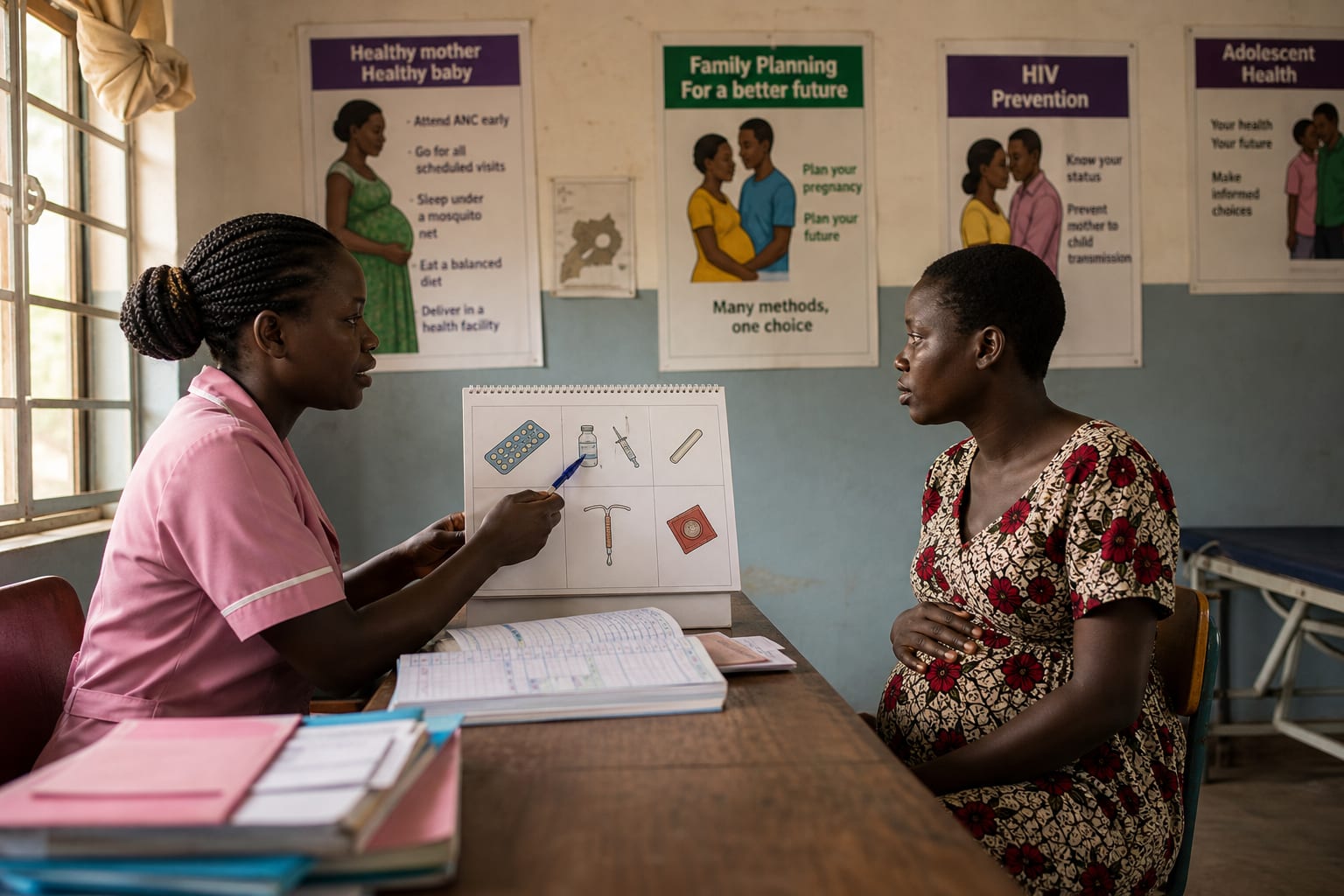
The CHOICE-AYA initiative adapts contraceptive counseling for homeless adolescents and young adults, emphasizing a patient-centered approach. Focus groups revealed preferences for individualized counseling that addresses unique barriers faced by this population.
Background
Adolescents and young adults (AYA) experiencing homelessness are at heightened risk for reproductive violence and unintended pregnancies, with limited access to healthcare. Traditional efficacy-first contraceptive counseling may not adequately address the specific needs and preferences of this vulnerable group. Adapting counseling strategies to be more patient-centered could improve reproductive health outcomes for AYA experiencing homelessness.
Data Highlights
Focus Group Participants
Age Range
41
12–23 years
Key Findings
AYA preferred a patient-centered counseling approach over an efficacy-first model.
Three key themes emerged for improving counseling: delivery methods, content, and locations.
Individualized and confidential consultations are crucial for effective counseling.
Current reproductive health guidelines should incorporate considerations specific to AYA experiencing homelessness.
Barriers such as lack of transportation and insurance must be addressed in counseling strategies.
Clinical Implications
Healthcare providers should adopt a patient-centered approach when counseling AYA experiencing homelessness to enhance engagement and satisfaction. Tailoring counseling to address individual circumstances and preferences can lead to better contraceptive use and reproductive health outcomes.
Conclusion
The CHOICE-AYA initiative highlights the importance of adapting contraceptive counseling to meet the unique needs of homeless adolescents and young adults. Implementing these findings can improve access to effective reproductive health care for this vulnerable population.