Macrophage Roles in MASLD: Exploring Inflammatory and Metabolic Interactions and the Impact of Exercise Interventions
-
By
-
Yi Sun
-
July 9, 2026
Clinical Report: Macrophage Roles in MASLD and the Impact of Exercise Interventions
Overview
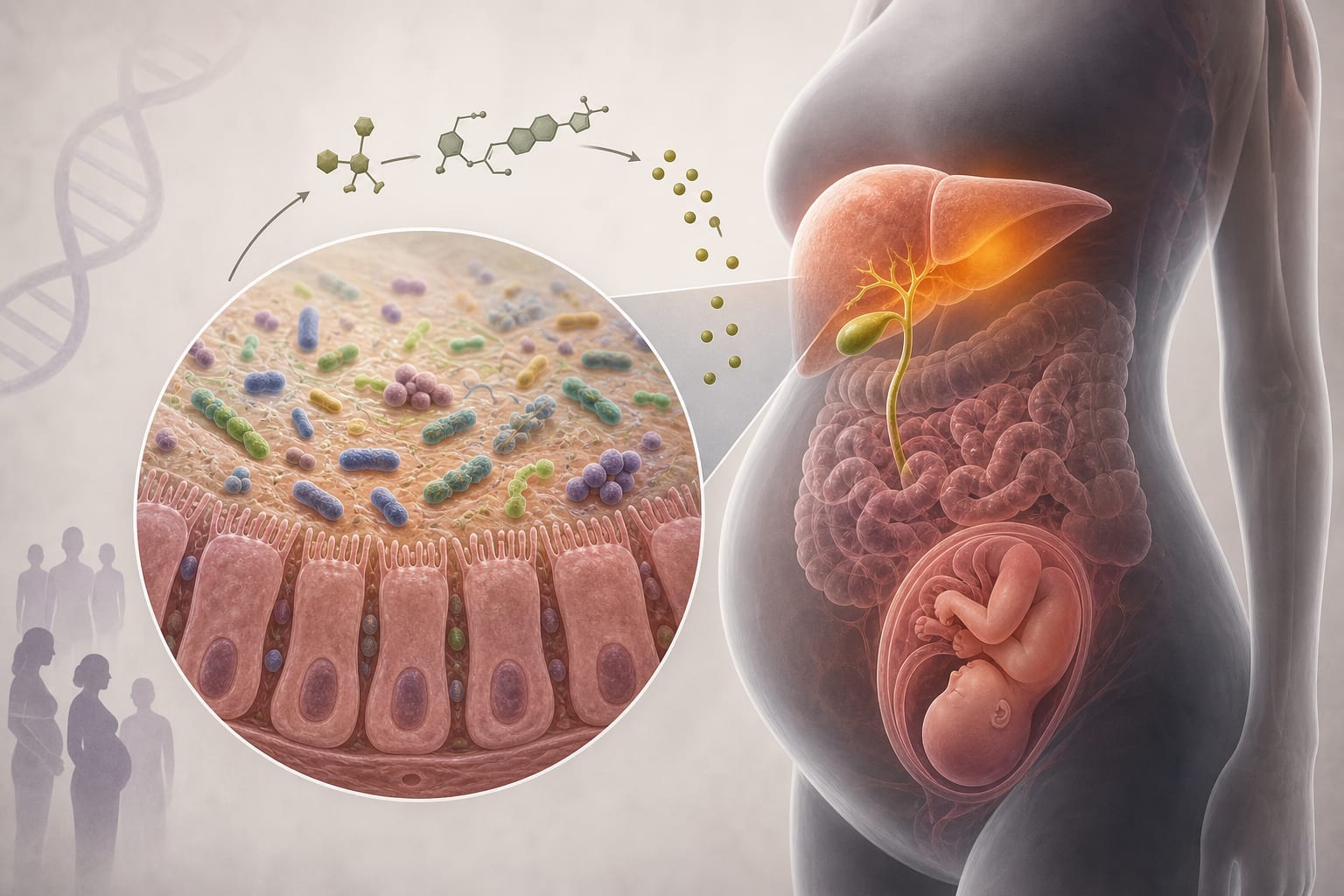
This review explores the critical roles of hepatic macrophages in the pathogenesis of metabolic dysfunction-associated steatotic liver disease (MASLD). It establishes a framework for understanding the interplay between inflammation, metabolism, and exercise in MASLD.
Background
Metabolic dysfunction-associated steatotic liver disease (MASLD) represents a significant public health challenge, with increasing prevalence linked to obesity and metabolic disorders. The disease is characterized by hepatic fat accumulation and can progress to more severe conditions such as metabolic dysfunction-associated steatohepatitis (MASH) and hepatocellular carcinoma. Understanding the role of hepatic macrophages in MASLD is crucial for developing effective therapeutic strategies.
Data Highlights
No numerical data or trial data provided in the source material.
Key Findings
- Hepatic macrophages, including Kupffer cells and monocyte-derived macrophages, play a central role in MASLD pathogenesis.
- Macrophage polarization is influenced by metabolic stress and can contribute to insulin resistance and steatosis.
- Exercise has been shown to re-polarize macrophages and reshape the intrahepatic immune landscape.
- Exercise interventions promote the release of anti-inflammatory myokines, which can modulate macrophage function.
- There is a significant interplay between liver, adipose tissue, and skeletal muscle in the context of MASLD.
Clinical Implications
Understanding these mechanisms can inform future therapeutic approaches.
Conclusion
This review provides a comprehensive framework for understanding the role of macrophages in MASLD.
Related Resources & Content
- American Gastroenterological Association, Clinical care pathway for the risk stratification and management of patients with MASLD, 2026 -- Clinical care pathway for the risk stratification and management of patients with MASLD
- FDA, REZDIFFRA (resmetirom) tablets, for oral use, 2025 -- Highlights of Prescribing Information
- Archives of Toxicology, Alterations in the Antioxidant System Induced by Metabolic Dysfunction-Associated Steatotic Liver Disease: A Comprehensive Review, 2024 -- Alterations in the Antioxidant System Induced by Metabolic Dysfunction-Associated Steatotic Liver Disease
- Frontiers in Immunology — Metrnl and Macrophage Polarization: Role in Skeletal Muscle Homeostasis and Therapeutic Potential
- Frontiers in Immunology — Macrophage metabolic reprogramming in sepsis-associated acute lung injury: mechanisms and therapeutic strategies
- Frontiers in Immunology — Fatty Acid Metabolism and Lipid Channeling in Macrophages: Mechanisms of Inflammation, Resolution, and Lipotoxicity
- Clinical care pathway for the risk stratification and management of patients with MASLD - American Gastroenterological Association
- REZDIFFRA (resmetirom) tablets, for oral use — Highlights of Prescribing Information
- Dose‒response relationship between exercise and hepatic steatosis: A systematic review with Bayesian network meta-analysis of randomized controlled trials - PMC
Based on findings from:
Macrophages in MASLD: from inflammatory and metabolic crosstalk to exercise intervention
Yi Sun. Frontiers In Immunology, 2026.
https://www.frontiersin.org/journals/immunology/articles/10.3389/fimmu.2026.1894884/full
This content is an AI-generated, fully rewritten summary based on a published scholarly article. It does not reproduce the original text and is not a substitute for the original publication. Readers are encouraged to consult the source for full context, data, and methodology.