Clinical Report: Revised Freudian Drive Theory and Childhood Trauma
Background
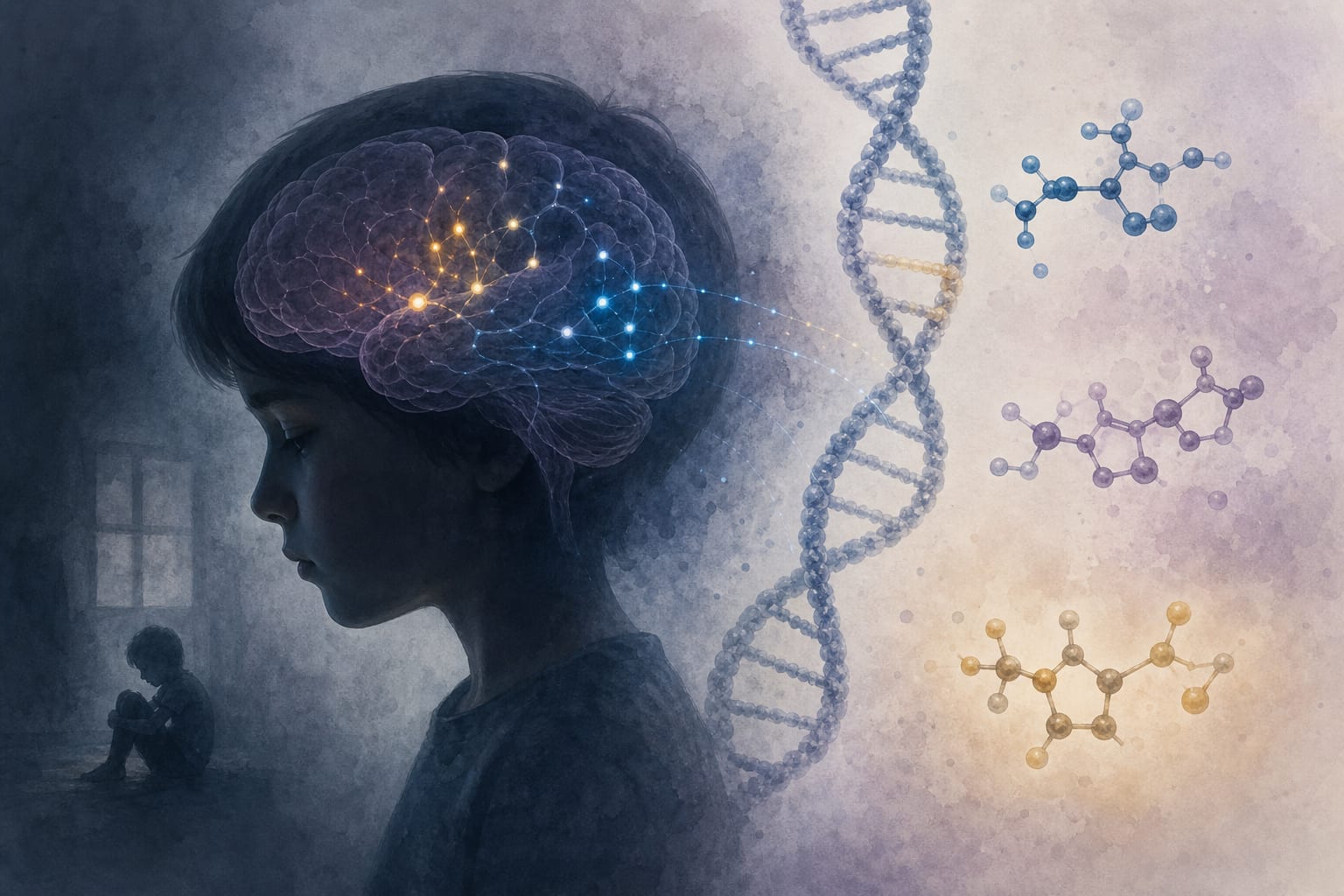
Depression is a multifactorial disorder influenced by biological, psychological, genetic, and environmental factors. Early-life trauma is recognized as a risk factor for developing depressive disorders, but not all individuals exposed to such trauma will experience depression. Understanding the neurobiological underpinnings of this relationship is crucial for developing effective treatment strategies.
Data Highlights
No numerical data or trial data provided in the source material.
Key Findings
Childhood trauma is a transdiagnostic risk factor for affective disorders.
Reduced serotonergic regulation may be linked to diminished β-endorphin tone.
Selective serotonin reuptake inhibitors (SSRIs) show heterogeneous treatment responses in patients.
Altered β-endorphin activity has been documented in major depressive disorder and PTSD.
Attachment disturbance is emphasized as a factor in trauma-related depression.
Clinical Implications
The revised model suggests that addressing attachment-related motivations may be essential in treating trauma-related depression. Psychotherapy plays a complementary role alongside pharmacological interventions in managing these complex cases.