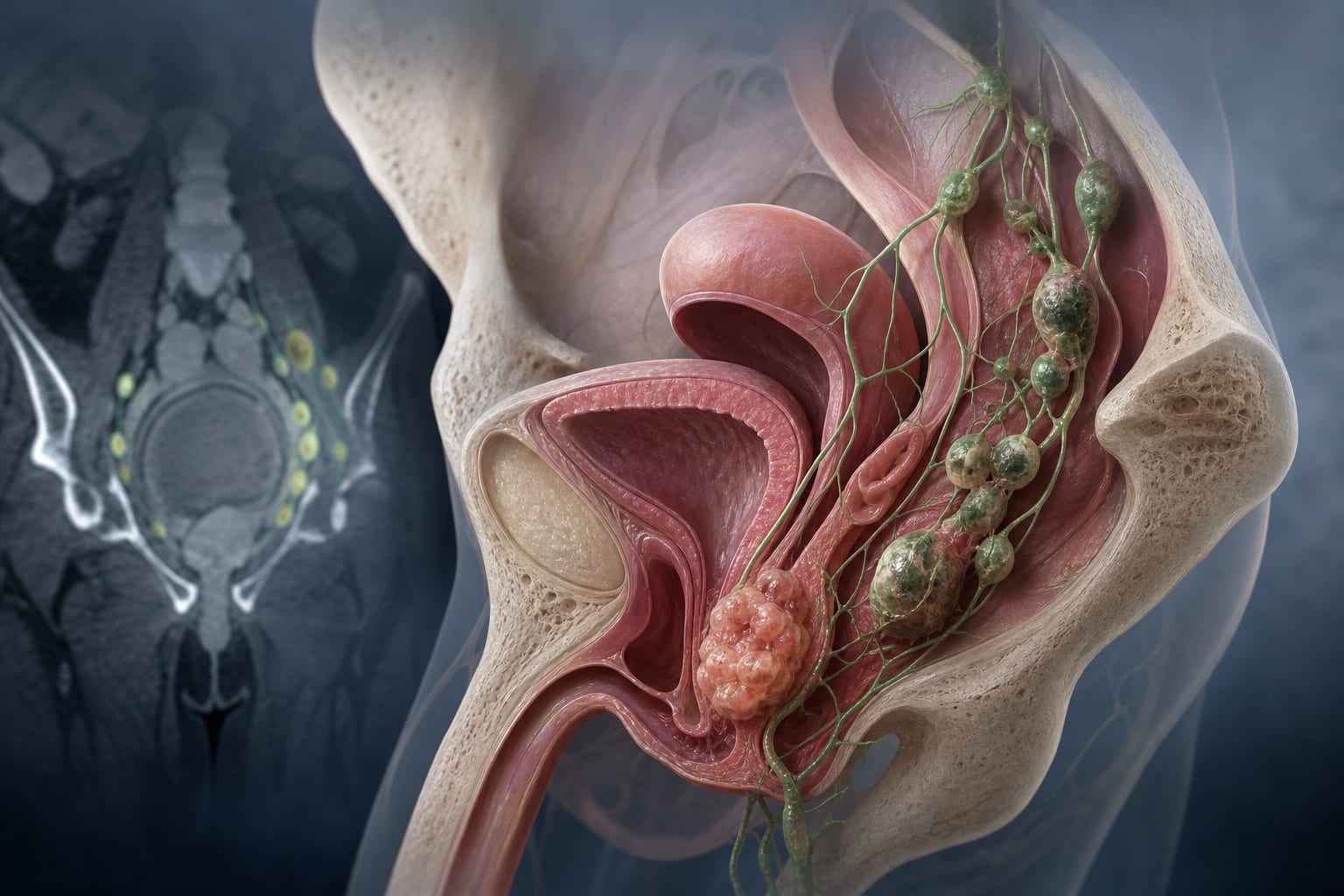
Factors Influencing Delayed Surgical Intervention in Pediatric Wilms Tumor Patients
Overview
This study investigates the prevalence and factors contributing to delayed surgical intervention in pediatric Wilms tumor patients at Mulago Hospital, Uganda. Findings indicate significant delays in surgery, which adversely affect treatment outcomes and survival rates.
Background
Wilms tumor is the most prevalent renal cancer in children, with survival rates significantly lower in low- and middle-income countries compared to high-income countries. Delayed surgical intervention is a critical factor impacting survival rates, necessitating an understanding of the barriers to timely surgery in these regions. This study aims to fill the knowledge gap regarding the prevalence of surgical delays and their associated factors in pediatric Wilms tumor patients.
Data Highlights
No numerical data available in the source material.
Key Findings
Wilms tumor accounts for 5.9% of childhood cancers globally.
Survival rates for Wilms tumor in high-income countries exceed 90%, while rates in LMICs range from 20% to 50%.
Delayed surgery is identified as a primary factor contributing to lower survival rates in Uganda, which range from 44% to 59%.
Only 30% of patients in Tanzania underwent surgery within one week of completing preoperative chemotherapy.
Barriers to timely surgery include limited theatre space, workforce shortages, and equipment gaps.
In Uganda, 37.5% of pediatric surgical admissions are postponed, with many patients returning after more than a month.
Clinical Implications
Healthcare professionals should be aware of the significant impact of surgical delays on treatment outcomes for pediatric Wilms tumor patients. Addressing barriers such as resource limitations and improving surgical scheduling may enhance timely access to care and improve survival rates.
Conclusion
The study highlights the urgent need to address factors contributing to delayed surgical intervention in pediatric Wilms tumor patients to improve survival outcomes in Uganda. Understanding these barriers is essential for developing effective strategies to enhance surgical care in low-resource settings.
Related Resources & Content
Assessing the Third Delay in Surgical Services at a Regional Referral Facility in Soroti, Uganda, 2022 -- https://link.springer.com/article/10.1007/s00268-022-06591-0
Obstetric Delays During Hospitalization in Rural Uganda: A Cross-Sectional Study of Hospitalized Patients, 2023 -- https://link.springer.com/article/10.1007/s00268-023-06964-z
Surgical Delays During the COVID-19 Pandemic: Insights from a Regional Referral Hospital in Soroti, Uganda in a Low-Resource Context, 2023 -- https://link.springer.com/article/10.1007/s00268-023-06965-y
Wilms Tumor and Other Childhood Kidney Tumors Treatment (PDQ®) - NCI -- https://www.cancer.gov/types/kidney/hp/wilms-treatment-pdq?utm_source=openai