Explaining the Use Behavior of Digital Technologies in Pediatric Rehabilitation: Structural Equation Modeling Analysis of a Cross-Sectional European Survey - Report - MDSpire
Advertisement
Explaining the Use Behavior of Digital Technologies in Pediatric Rehabilitation: Structural Equation Modeling Analysis of a Cross-Sectional European Survey
Clinical Report: Understanding Digital Technology Utilization in Pediatric Rehabilitation
Overview
A cross-sectional survey conducted across Europe revealed that approximately two-thirds of pediatric rehabilitation professionals regularly utilize digital technologies (DT) in clinical practice.
Background
Motor impairments in children can significantly hinder their development and participation in daily activities. The integration of digital technologies in pediatric rehabilitation presents new opportunities to enhance engagement in therapy.
Data Highlights
No numerical data or trial data was provided in the source material.
Key Findings
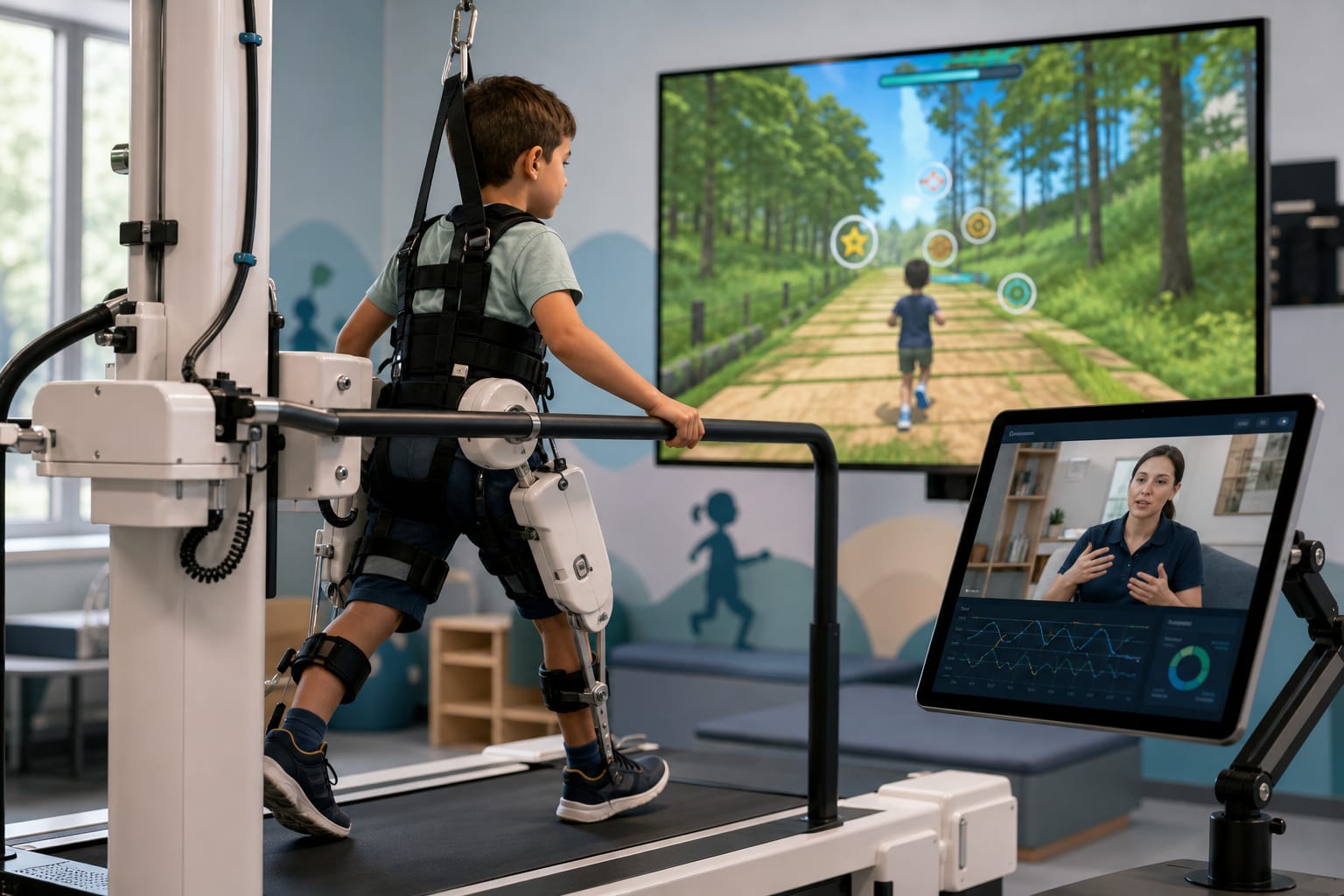
Digital technologies such as robotics, virtual reality, and telehealth are increasingly used in pediatric rehabilitation.
Approximately two-thirds of surveyed professionals reported regular use of digital technologies in their practice.
Behavioral factors influencing technology acceptance need to be further explored.
The Unified Theory of Acceptance and Use of Technology (UTAUT) model can help understand the determinants of technology use in clinical settings.
Performance expectancy and effort expectancy are key factors influencing the intention to use digital technologies.
Clinical Implications
Healthcare professionals should consider the behavioral aspects of technology adoption when implementing digital tools in pediatric rehabilitation.
Conclusion
Further research is essential to understand the acceptance and use of digital technologies in pediatric rehabilitation.
by Johanne Mensah Gourmel, Sylvain Brochard, Saranda Bekteshi, Elegast Monbaliu, Gwenaël Cornec, Anca Irina Grigoriu, Christopher J Newman, Marco Konings, Javier De La Cruz, Christelle Pons