Clinical Report: New Developments in Moyamoya Disease: Innovations in Diagnosis and Treatment
Overview
Recent advances in moyamoya disease (MMD) highlight innovations in diagnosis and treatment.
Background
Moyamoya disease is a rare cerebrovascular disorder characterized by progressive stenosis of the internal carotid arteries.
Data Highlights
No numerical data provided in the source material.
Key Findings
['Moyamoya disease is characterized by chronic stenosis or occlusion of the internal carotid arteries.', 'Recent studies have identified key ubiquitination-related genes associated with MMD, including ANAPC11, UCHL1, and USP41.', 'Post-operative transient neurological deficits, such as motor aphasia, can be predicted by measuring temporal muscle thickness on preoperative MRI.', 'There is no single surgical approach for moyamoya disease; techniques must be tailored to individual anatomical and clinical factors.', 'Future clinical trials are needed to standardize reporting of hemodynamic endpoints.']
Clinical Implications
Clinicians should consider individual anatomical variations when planning surgical interventions.
Conclusion
The evolving landscape of moyamoya disease management highlights the integration of innovative diagnostic and therapeutic strategies.
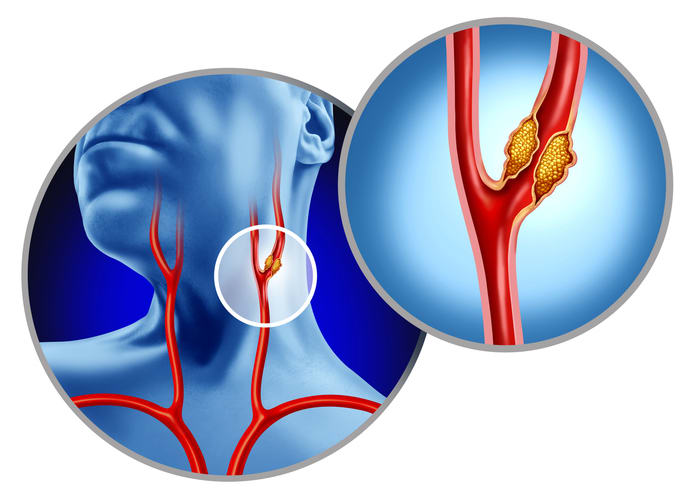
In this procedural case review, vascular surgeon Dr. Samuel Steerman performs a right carotid endarterectomy on a woman in her 60s who experienced a stroke related to carotid artery plaque.