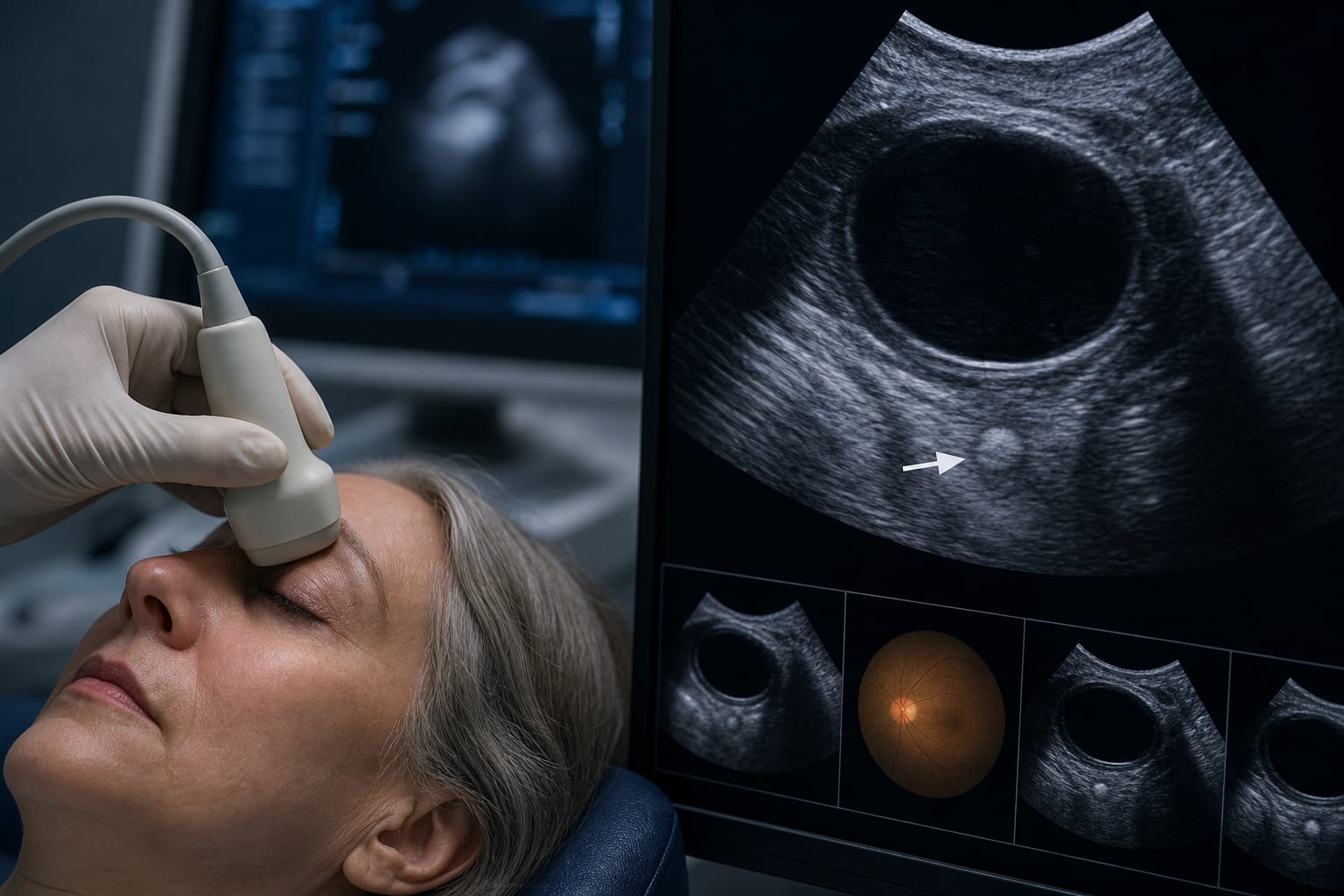
Clinical Report: Glaucoma Surgery During Pregnancy
Overview
This report discusses the complexities of managing glaucoma surgery during pregnancy, emphasizing the need for individualized risk assessment and multidisciplinary coordination. It highlights that while surgery is often a last resort, it can be performed safely with appropriate modifications.
Background
Managing glaucoma in pregnant patients poses unique challenges due to the potential risks to both the mother and fetus. Surgical interventions may become necessary when intraocular pressure cannot be controlled through medications or laser therapy. Current guidelines are limited, relying on case reports and expert consensus rather than robust clinical trials.
Data Highlights
No numerical data available in the source material.
Key Findings
Verify and adjust findings to ensure they align with the source, particularly regarding MIGS.
Clinical Implications
Healthcare providers must carefully weigh the risks and benefits of glaucoma surgery during pregnancy, involving obstetric and anesthesia teams in decision-making. Preconception counseling and planning are crucial to manage intraocular pressure effectively and minimize the need for surgical intervention.
Conclusion
While surgery for glaucoma during pregnancy is not the safest first option, it can be performed with careful planning and coordination among healthcare professionals when necessary.
FOXC1 duplications were the second most common monogenic finding among genetically solved juvenile open-angle glaucoma cases in one registry, supporting the use of copy-number variant analysis in early-onset glaucoma testing.