Clinical Report: Carbamazepine Enhances Surgical Outcomes in Patients with Tentorial Meningiomas
Overview
This study evaluates the efficacy of carbamazepine in managing postoperative pain for patients undergoing surgery for tentorial meningiomas. Carbamazepine significantly reduced pain scores and analgesic consumption without increasing adverse effects.
Background
Tentorial meningiomas, although rare, can lead to severe postoperative pain due to their proximity to the trigeminal nerve. Effective pain management is crucial for improving recovery and reducing hospital stays in these patients. Carbamazepine, traditionally used for epilepsy, shows promise as an adjuvant therapy for postoperative pain relief.
{'Hospital_Stay_Statistical_Significance': 'Include p-value or state not statistically significant'}
Clinical Implications
Incorporating carbamazepine into postoperative pain management protocols may enhance recovery for patients with tentorial meningiomas. This approach could lead to lower opioid use and improved pain control, which is essential for patient rehabilitation.
Conclusion
Carbamazepine appears to be a beneficial addition to multimodal pain management strategies for patients undergoing surgery for tentorial meningiomas, effectively reducing pain and analgesic requirements.
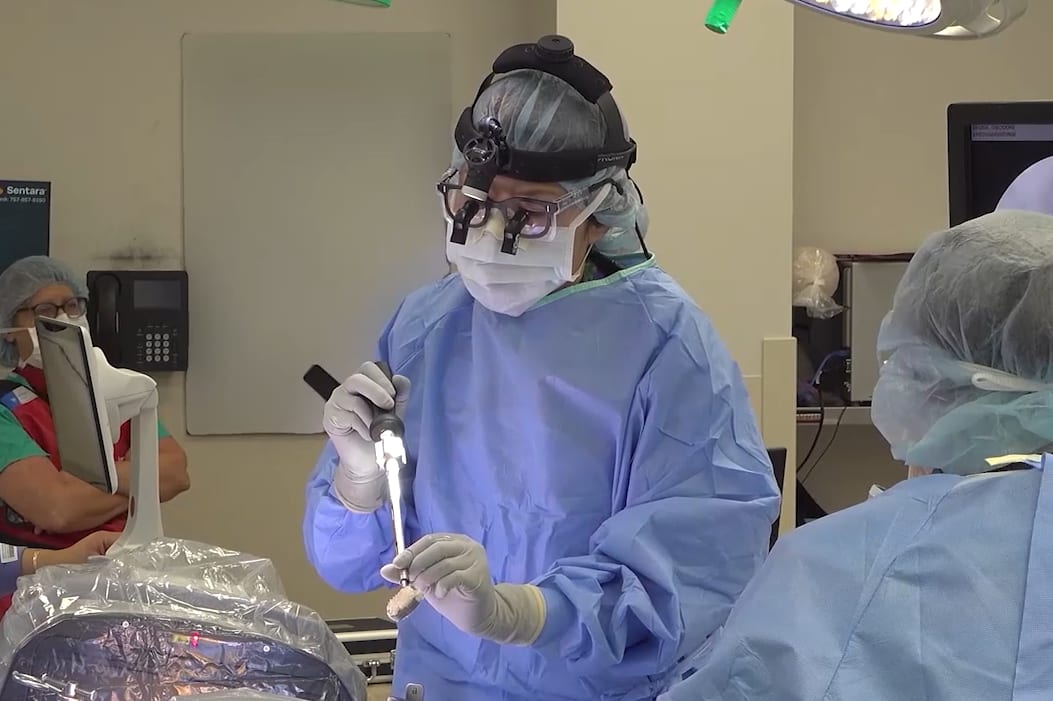
In this procedural case review, vascular surgeon Dr. Samuel Steerman and neurosurgeon Dr. Shannon Clark collaborate to perform an anterior lumbar interbody fusion (ALIF).