Clinical Report: Gender Variations in Iron Reserves and Cardiovascular Risk
Overview
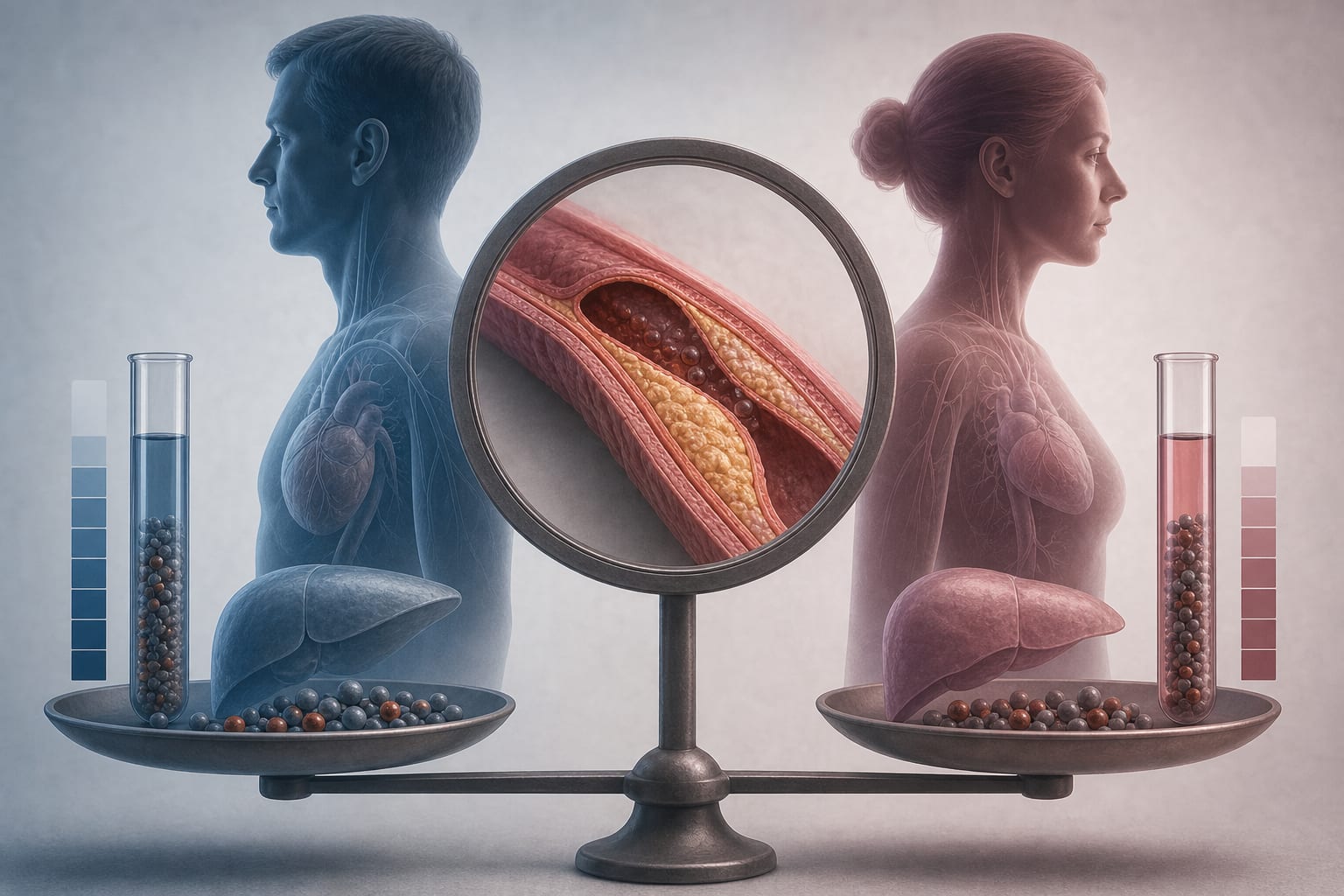
This study reveals significant sex differences in iron reserves and cardiovascular risk factors among middle-aged individuals. Men exhibited higher total body iron and a more adverse cardiovascular profile compared to women, highlighting the importance of sex-specific assessments in cardiovascular risk management.
Background
Understanding the relationship between iron metabolism and cardiovascular risk factors is crucial, as it may inform personalized approaches to prevention and treatment. The study addresses a gap in research regarding sex differences in iron stores and their implications for cardiovascular health, particularly in middle-aged populations.
Data Highlights
Parameter
Men
Women
Hyperferritinemia Prevalence
21.6%
12.0%
Metabolic Syndrome Prevalence
34.5%
24.6%
Key Findings
Men had higher total body iron (TBI) and ferritin levels compared to both premenopausal and postmenopausal women.
Men showed a higher prevalence of hypertension, hyperlipidemia, diabetes, and prior myocardial infarction.
Ferritin levels were associated with BMI, alcohol consumption, LDL cholesterol, and triglycerides in both sexes.
In women, age and hypertension were significantly associated with ferritin levels, unlike in men.
Hyperferritinemia and TBI were linked to metabolic syndrome in both sexes.
Clinical Implications
Clinicians should consider sex-specific differences in iron metabolism when evaluating cardiovascular risk. Monitoring ferritin and total body iron levels may enhance risk assessment and inform tailored management strategies for middle-aged patients.
Conclusion
The findings underscore the need for a nuanced understanding of iron metabolism's role in cardiovascular health, particularly across different sexes. This knowledge can aid in developing targeted interventions for cardiovascular risk reduction.