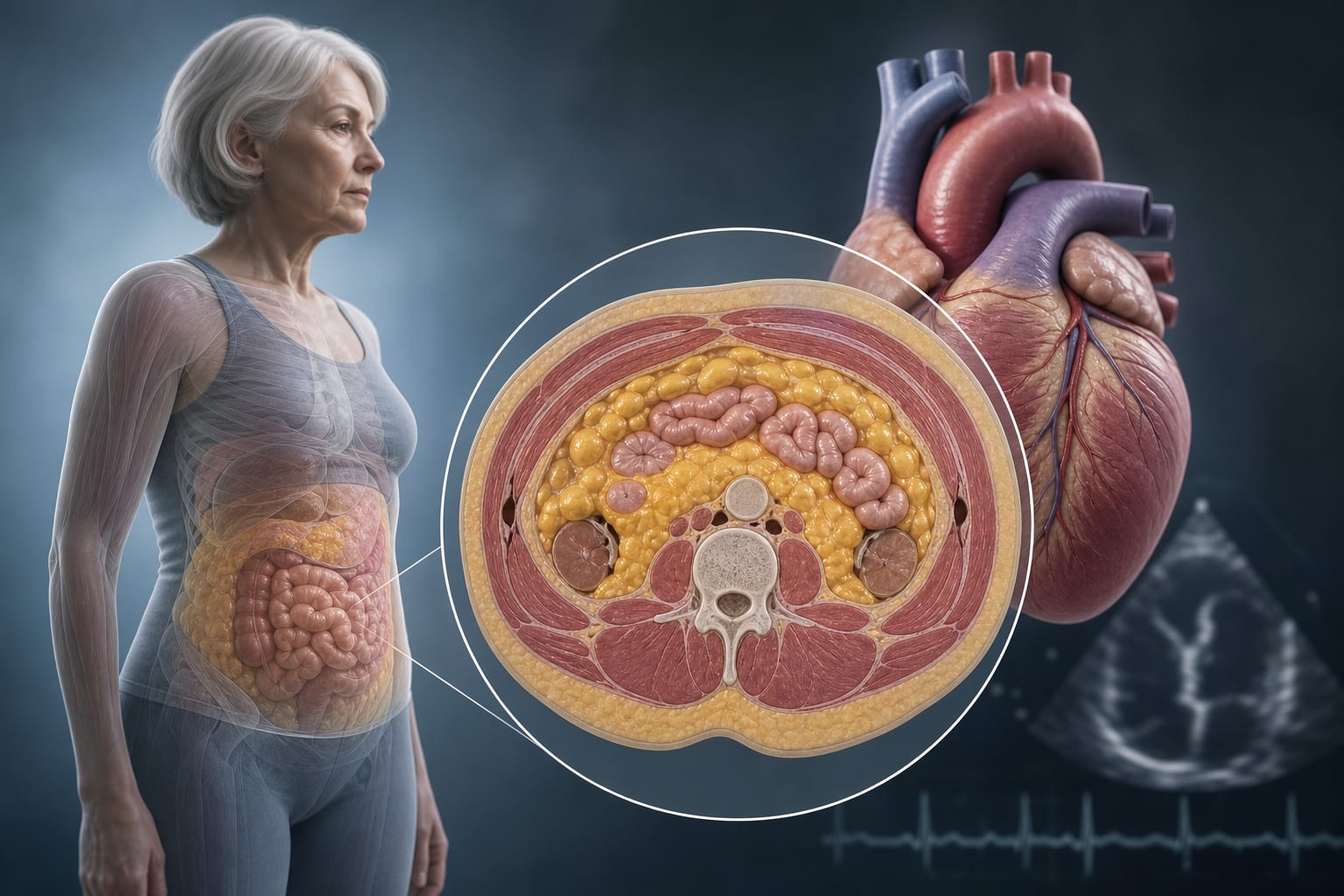
Early Insulin Levels Predict Vasomotor Symptoms During Menopausal Transition
Overview
Elevated fasting insulin levels at age 47 predict earlier onset and longer duration of vasomotor symptoms such as hot flashes and night sweats during the menopausal transition. These insulin levels are also associated with greater rises in testosterone, independent of body mass index (BMI) and glucose levels.
Background
Vasomotor symptoms, including hot flashes and night sweats, affect approximately 75% of women during menopause and can persist for years beyond the final menstrual period. These symptoms are primarily driven by estrogen withdrawal and changes in reproductive hormones such as follicle-stimulating hormone (FSH) and testosterone. Metabolic health factors like obesity and insulin resistance have been linked to vasomotor symptom severity, but the specific role of elevated insulin, an early marker of metabolic dysfunction, has been less studied. Insulin influences reproductive hormone regulation and may contribute to menopausal symptomatology.
Data Highlights
Parameter
Mean (SD)
Fasting insulin at age 47 (µIU/mL)
10.117 (6.711)
Body mass index (BMI)
27.0 (6.6)
Age at final menstrual period (years)
51.0 (2.3)
Key Findings
Higher fasting insulin at age 47 predicts earlier onset of hot flashes and night sweats during menopause.
Elevated insulin is associated with longer durations of hot flashes and cold sweats.
Increased insulin correlates with greater rises in testosterone across the menopausal transition.
BMI shows similar associations with vasomotor symptoms but relates more to slower estradiol decline and blunted FSH rise.
Insulin remains a significant predictor of hot flashes even after adjusting for BMI and glucose levels.
Clinical Implications
Measuring fasting insulin levels in midlife women may help identify those at higher risk for earlier and prolonged vasomotor symptoms during menopause. Addressing hyperinsulinemia and metabolic health could provide new avenues for managing menopausal symptoms beyond traditional hormone-focused therapies. Clinicians should consider metabolic parameters alongside reproductive hormones when evaluating menopausal symptom risk.
Conclusion
Elevated midlife insulin is an independent predictor of vasomotor symptom timing and duration during menopause and is linked to hormonal changes, highlighting the importance of metabolic health in the menopausal transition.
References
Study of Women's Health Across the Nation (SWAN) -- Early Insulin Levels During Perimenopause Predict Vasomotor Symptoms
Women reported improvement across 6 cognitive domains during 12 months of estriol-based treatment, while murine models suggested a potential astrocyte-mediated mechanism.