Exploratory analysis of neutrophil extracellular traps in synovial fluid and plasma from children with juvenile idiopathic arthritis - Report - MDSpire
Advertisement
Exploratory analysis of neutrophil extracellular traps in synovial fluid and plasma from children with juvenile idiopathic arthritis
Clinical Report: Investigation of Neutrophil Extracellular Traps in JIA
Overview
This exploratory pilot study investigates the presence of neutrophil- and platelet-derived extracellular vesicles (EVs) in the plasma and synovial fluid of children with juvenile idiopathic arthritis (JIA). The findings indicate significantly higher levels of certain EVs in JIA patients compared to healthy controls.
Background
Juvenile idiopathic arthritis (JIA) is a common chronic inflammatory disease in children, characterized by persistent joint inflammation and potential joint damage. Understanding the role of the innate immune system, particularly through the analysis of extracellular vesicles, may provide insights into the pathogenesis of JIA. This study aims to enhance the understanding of inflammatory processes in JIA by examining EVs in affected children.
Data Highlights
Group
CD41+ EVs
MPO+ EVs
JIA Patients
Higher levels
Present
Healthy Controls
Lower levels
Absent
Key Findings
Neutrophil- and platelet-derived EVs were detectable in both plasma and synovial fluid of all children with JIA.
Plasma levels of CD41+ EVs and MPO+ EVs were significantly higher in the JIA group compared to healthy controls.
Activated platelet EVs (CD41+ and CD41+CD62P) were predominantly found in plasma.
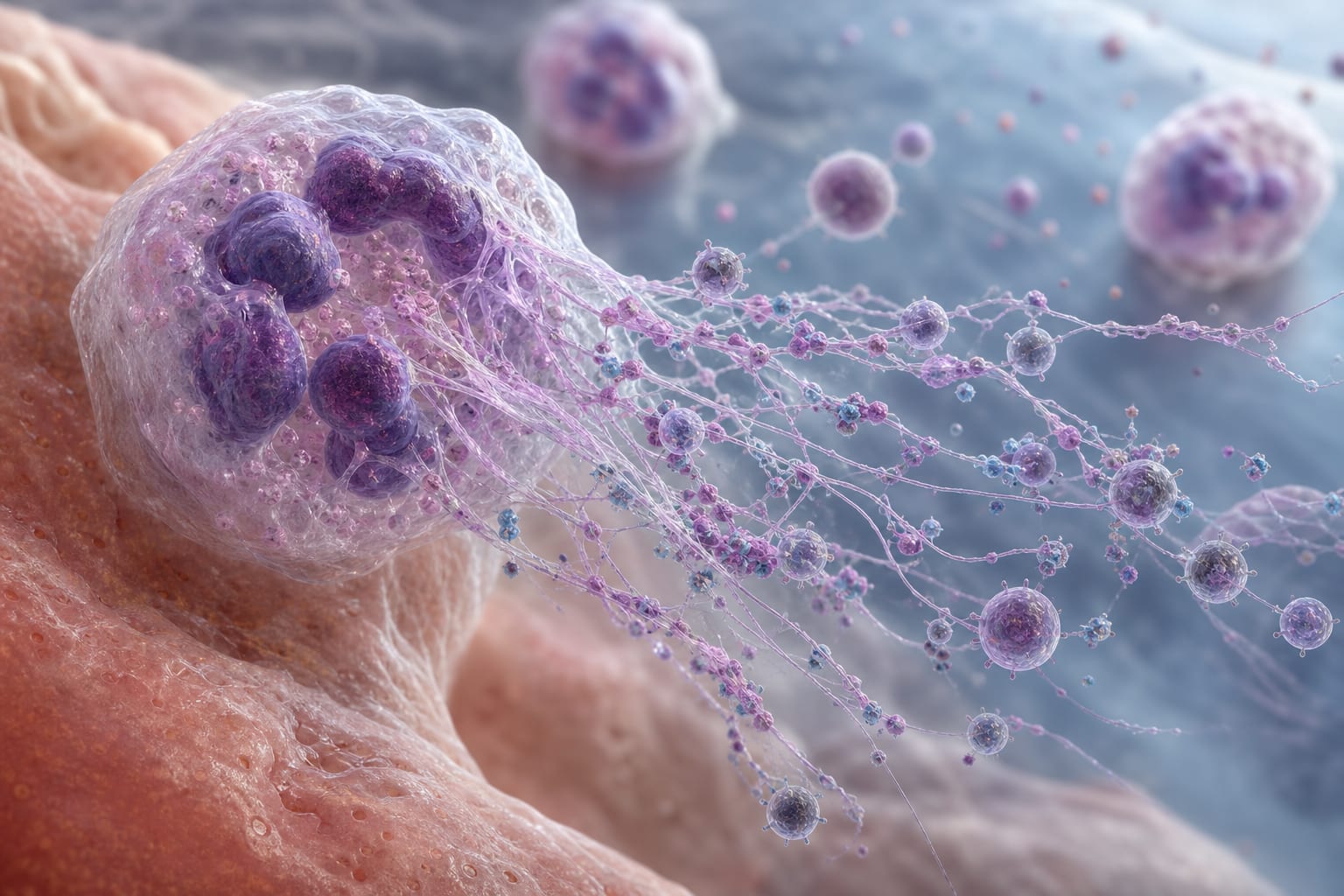
MPO+ and H3Cit+ EVs indicated neutrophil activation and NET-related components in both compartments.
No correlations were found between EV levels and clinical or laboratory variables.
Clinical Implications
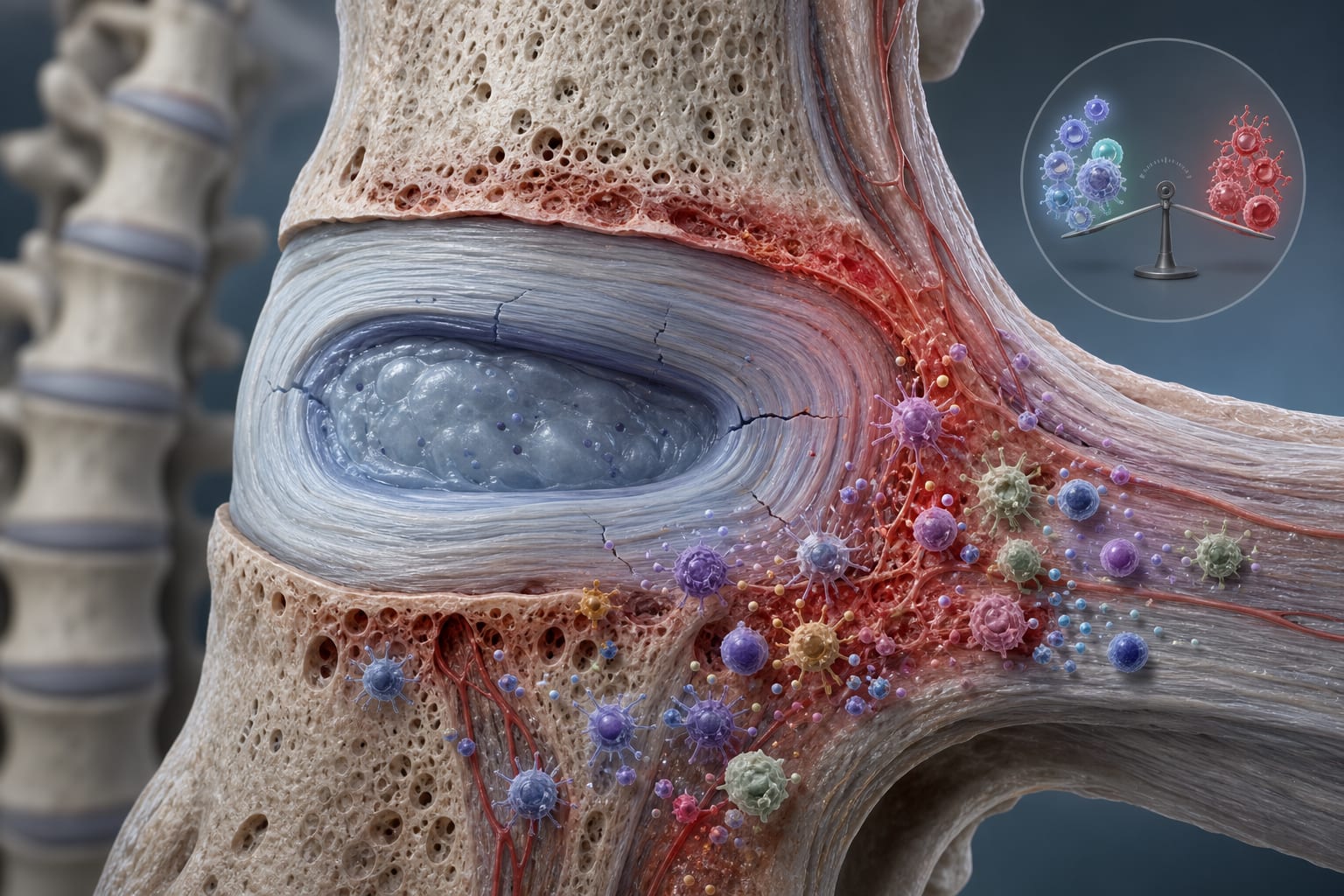
The presence of elevated EVs in JIA patients may reflect ongoing inflammatory processes.
Conclusion
This study provides initial evidence of systemic platelet activation and neutrophil-related activity in children with JIA.