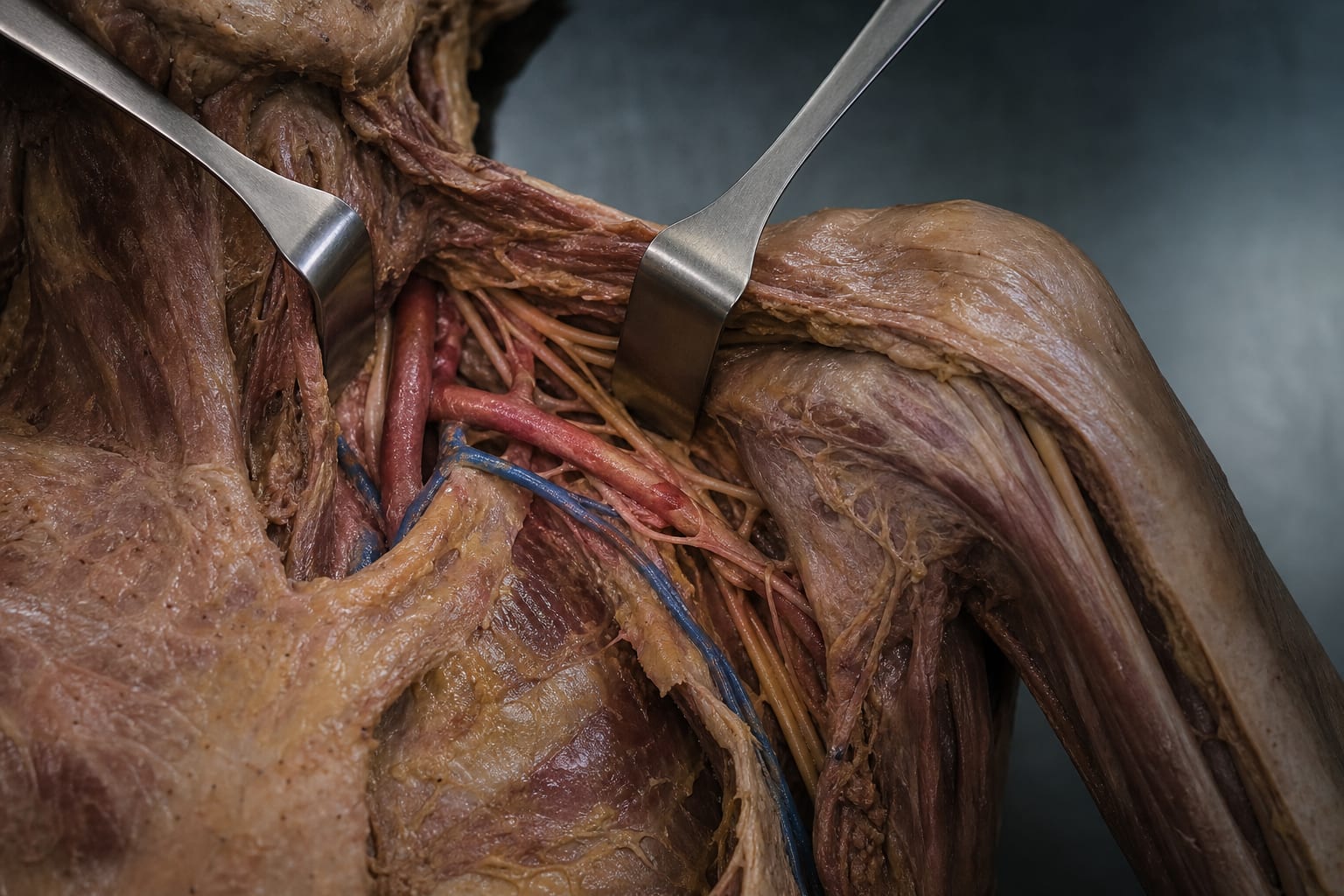
Clinical Report: Non-thoracic Surgeons' Emergency Access to Subclavian Vessels
Overview
This study evaluates a cadaveric training model for non-thoracic surgeons to perform emergency access to subclavian vessels. Findings indicate that procedural safety and accuracy improve with repeated training, highlighting the importance of structured educational approaches in trauma surgery.
Background
Subclavian artery injuries, though rare, pose significant challenges due to their association with high mortality rates and complex surgical exposure. Rapid and effective management is crucial, particularly for orthopedic trauma surgeons who may encounter these injuries. Current literature lacks comprehensive training methodologies for junior surgeons in these critical procedures.
Data Highlights
{'table_format': 'Ensure proper HTML table structure for clarity.'}
Key Findings
{'add_statistics': 'Include specific percentages or outcomes from the study.'}
Clinical Implications
The findings underscore the necessity for structured cadaveric training programs to enhance the skills of non-thoracic surgeons in emergency vascular access. Improved training can lead to better outcomes in trauma situations where rapid vascular control is essential.
Conclusion
This study highlights the effectiveness of cadaveric training in preparing non-thoracic surgeons for emergency procedures involving subclavian vessels, emphasizing the need for ongoing education in trauma surgery.
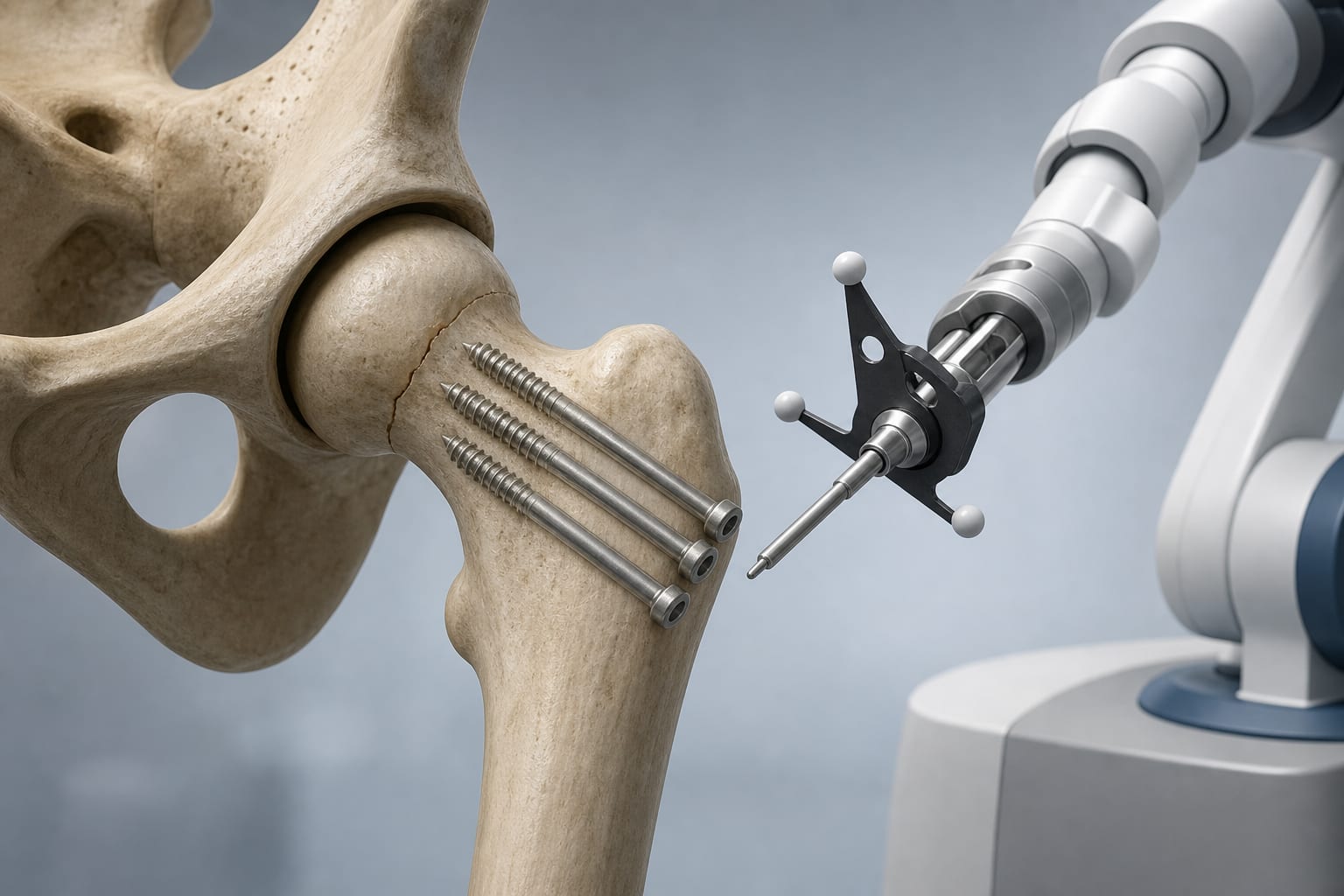
Researchers urge caution in interpreting joint replacement predictors, noting that surgery reflects access and decision-making as well as disease biology.