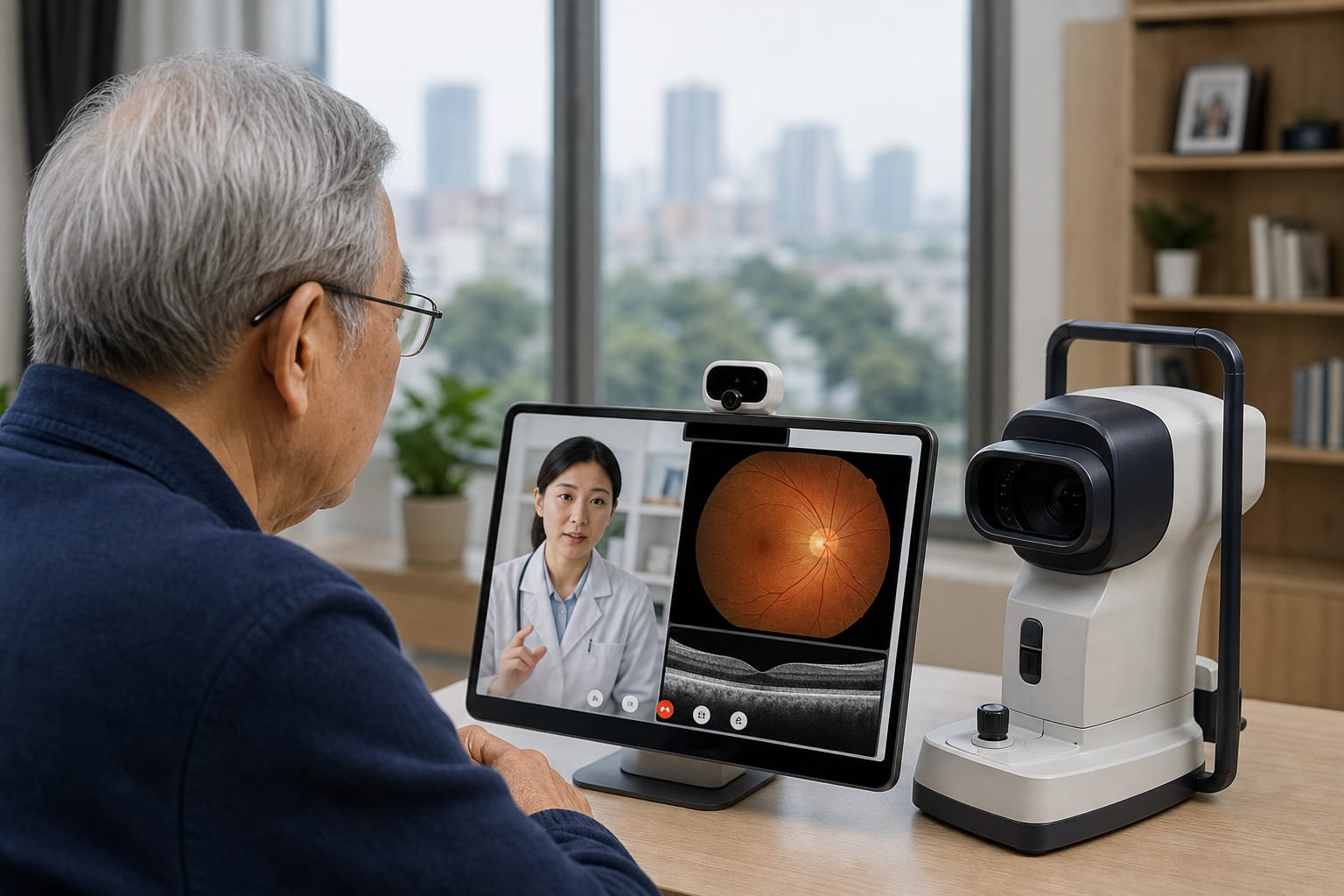
Clinical Report: Evaluating the Impact of Smart Healthcare on Older Adults
Overview
This study evaluates the health impact of specific smart healthcare initiatives, such as telemedicine and wearable devices, on older adults in China, utilizing a quasi-natural experimental design. Findings indicate significant improvements in healthcare utilization and health behaviors among the elderly following the implementation of smart city policies.
Background
As populations age, the health of older adults becomes increasingly critical to societal well-being. The Healthy China 2030 Plan emphasizes a shift towards health-centered models, particularly for vulnerable groups such as older adults. The integration of digital technologies into healthcare, termed smart healthcare, has the potential to enhance health outcomes and access for this demographic.
Data Highlights
No specific numerical data provided in the source material; further research is needed to quantify these impacts.
Key Findings
The study employs a multi-period difference-in-differences model to assess health impacts.
Smart healthcare policies have led to increased healthcare utilization among older adults.
Improvements in health behaviors were observed following the implementation of smart city initiatives.
Heterogeneous effects were identified across different subgroups of the elderly population, including variations in health outcomes based on socioeconomic status.
The research highlights the importance of addressing endogeneity in evaluating health policy impacts.
Clinical Implications
Healthcare providers should consider the integration of smart healthcare technologies, such as telehealth and remote monitoring, to improve access and health outcomes for older adults. Policymakers must ensure that these technologies are designed to be inclusive and equitable, addressing the diverse needs of the elderly population, including training for both providers and patients.
Conclusion
The findings underscore the positive impact of smart healthcare initiatives on the health of older adults, suggesting that such policies can play a crucial role in enhancing health outcomes in aging societies. Future policy development should focus on sustaining these initiatives and addressing barriers to access.