Gender Differences in Midlife BP and Later Aortic Stiffness: Clinical Insights
Overview
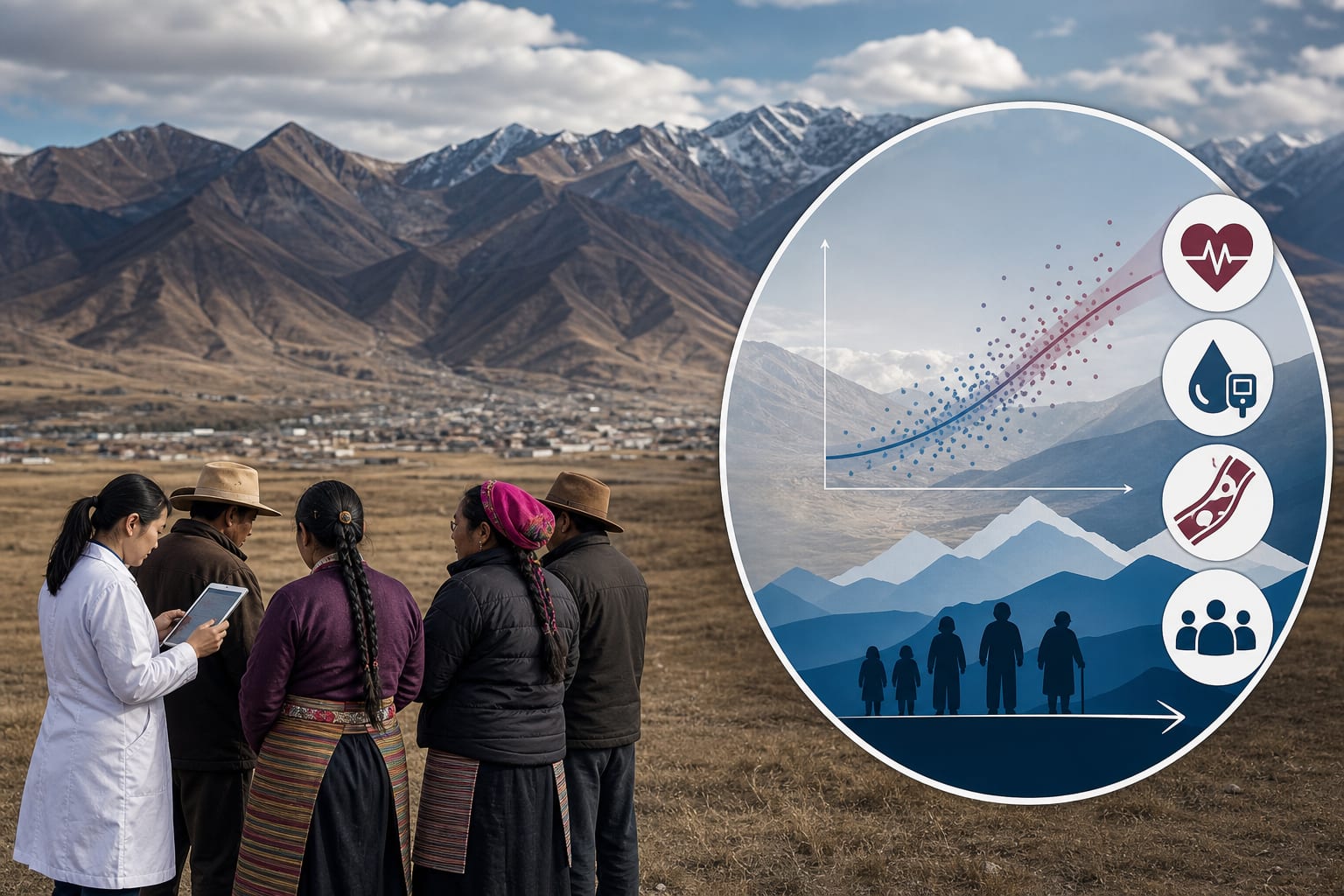
Elevated blood pressure (BP) at midlife is linked to increased arterial stiffness decades later in women but not men, despite men having higher overall stiffness prevalence. This editorial highlights the need for gender-sensitive hypertension management to prevent vascular aging and cardiovascular risk.
Background
Cardiovascular disease manifests differently in women and men, with women showing higher sensitivity to hypertension and distinct clinical presentations. Blood pressure trajectories diverge by sex, with women experiencing steeper increases with age, closely tied to arterial stiffness progression. Arterial stiffness and BP have a bidirectional relationship, influencing each other acutely and chronically. Understanding sex-specific vascular aging is crucial for optimizing prevention and treatment strategies.
Data Highlights
Parameter
Men
Women
Mean age at baseline
42 years
42 years
Prevalence of increased arterial stiffness (27 years later)
31%
17%
Association between baseline high BP and later arterial stiffness
Not significant
Strong, dose-dependent
Key Findings
High BP at age 42 predicts increased arterial stiffness 27 years later in women only.
Men have nearly double the prevalence of increased arterial stiffness compared to women at older age.
The relationship between BP and arterial stiffness is bidirectional and influenced by vascular remodeling.
Point-measurement of BP at midlife serves as a strong proxy for lifetime BP load and vascular risk in women.
Sex-specific vascular sensitivity may be influenced by genetic and biological factors, including X chromosome effects.
Men’s arterial stiffness prevalence is higher but not linked to midlife BP, suggesting different pathophysiological mechanisms.
Clinical Implications
Early identification and management of elevated BP in midlife women is critical to prevent arterial stiffening and subsequent cardiovascular risk. Current guidelines support initiating antihypertensive treatment before overt hypertension in individuals with elevated arterial stiffness. Further research is needed to tailor prevention strategies for men, given their distinct arterial stiffness patterns.
Conclusion
The Hordaland study underscores the importance of gender-sensitive approaches in hypertension management, emphasizing early BP control in women to mitigate long-term vascular damage. Understanding sex differences in arterial stiffness progression can improve cardiovascular outcomes through personalized care.
In a target-trial emulation of more than 600,000 veterans, GLP-1 RA initiators saw fewer new substance use disorders—and patients with existing SUDs had fewer overdoses, hospitalizations, and deaths.