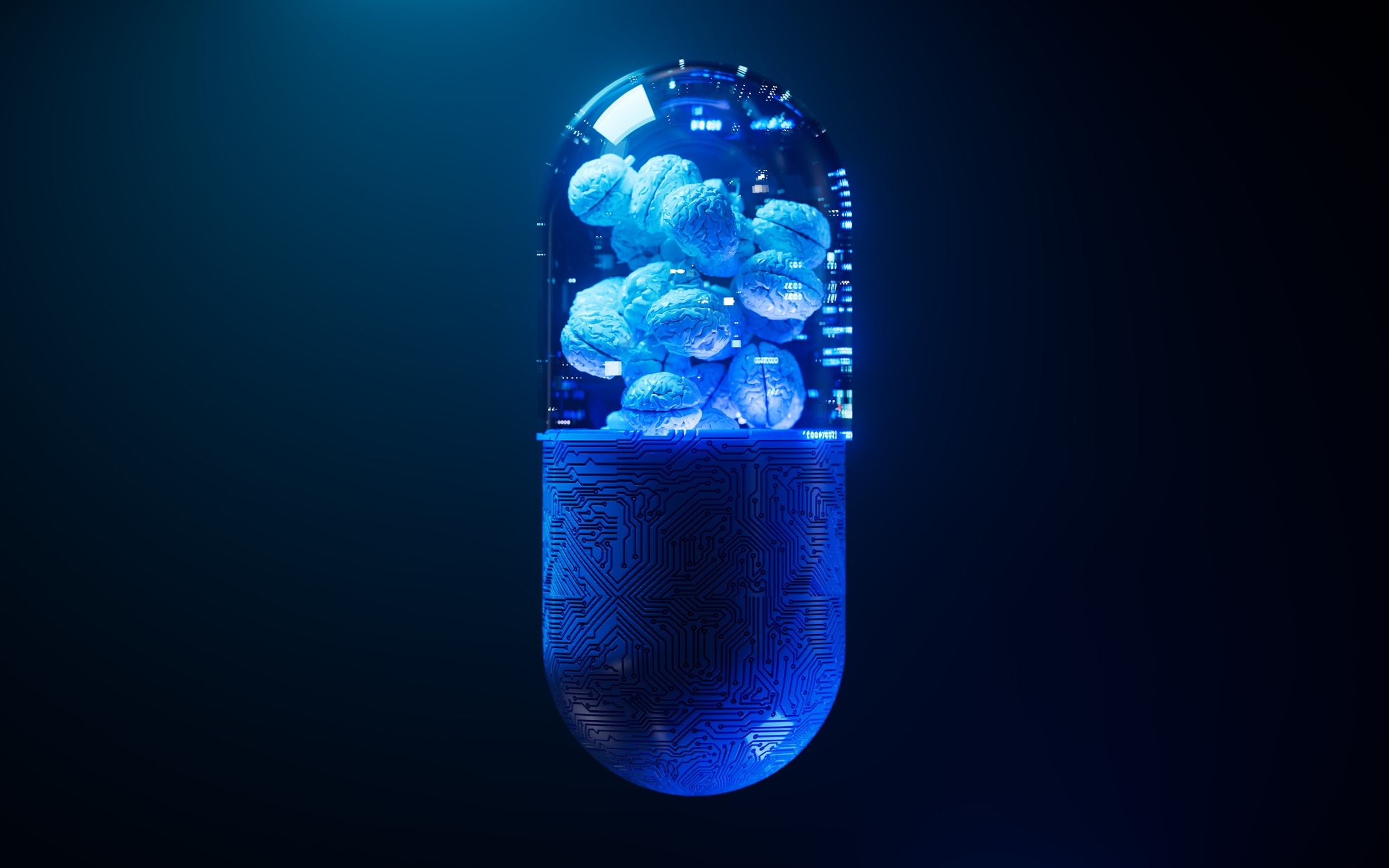
Clinical Report: Where AI is already paying off in drug development
Overview
Artificial intelligence (AI) is transforming pharmaceutical development by enhancing efficiency in drug manufacturing and candidate design. Industry experts highlight AI's potential, although caution is advised regarding its limitations.
Background
The integration of AI in drug development addresses longstanding inefficiencies. Understanding AI's capabilities and limitations is crucial for healthcare professionals involved in pharmaceutical research and development.
Data Highlights
No specific numerical data or trial results were provided in the source material.
Key Findings
AI can enhance the efficiency of drug manufacturing, as demonstrated by Eli Lilly's use of hybrid deep-learning models.
Machine learning has been applied to address challenges such as the viscosity of antibodies.
AI tools can facilitate broader data analysis, allowing researchers to explore complex questions.
Pharmaceutical companies may adopt a mix of in-house and external AI solutions.
Generative AI has limitations and can produce incorrect outputs.
Clinical Implications
Healthcare professionals should recognize the importance of maintaining scientific expertise and critical thinking in the integration of AI tools into pharmaceutical practices.
Conclusion
AI's implementation in drug development will require careful consideration of its limitations and the expertise of human professionals.
The approval was based on reduced proteinuria, and an ongoing trial is required to determine whether atacicept slows long-term kidney function decline.
A retrospective cohort study linked repeated respiratory complaints and gastroesophageal reflux disease with longer time to fibrotic interstitial lung disease diagnosis.