New Motor Cortex Circuit as Target for Neuromodulation Therapy
Overview
Recent research identifies inter-effector regions within the primary motor cortex (M1) that form a somato-cognitive action network distinct from classical effector-specific areas. These regions, structurally linked by white matter 'plis de passage,' show unique connectivity and functional properties, suggesting novel targets for neuromodulation therapies in motor disorders.
Background
The primary motor cortex (M1) is essential for voluntary movement and is a common target for neuromodulation in conditions like stroke and Parkinson’s disease. Traditional views of M1 organization are based on Penfield’s somatotopic homunculus, which maps body parts to specific cortical areas. However, recent studies have revealed inter-effector regions within M1 that lack movement specificity and connect strongly to cognitive and motor planning areas, forming a somato-cognitive action network. Understanding this network may refine neuromodulation approaches to improve motor recovery.
Data Highlights
Skandalakis et al. analyzed nearly 9000 functional MRI scans from three large datasets to identify resting state connectivity patterns. They confirmed that inter-effector regions correspond to white matter 'plis de passage' linking precentral and postcentral gyri. Intraoperative electrical stimulation of these regions elicited diffuse motor evoked potentials across multiple body parts, supporting their role in whole-body motor coordination.
Key Findings
Identification of three inter-effector regions within M1 interrupting the classical somatotopic map.
Inter-effector regions align with white matter 'plis de passage' bridging central sulcus structures.
These regions form a somato-cognitive action network connected to SMA, ACC, basal ganglia, and thalamus.
Intraoperative stimulation of inter-effector areas produces diffuse motor responses, indicating integration of whole-body movements.
The somato-cognitive action network is implicated in Parkinson’s disease pathophysiology and treatment response.
Current neuromodulation therapies may need to target both effector-specific and inter-effector areas for improved efficacy.
Clinical Implications
These findings suggest that neuromodulation therapies such as TMS and tDCS could be optimized by targeting the somato-cognitive action network within M1, potentially enhancing motor recovery after stroke or in Parkinson’s disease. Recognizing the distinct roles of inter-effector regions may explain variability in treatment outcomes and guide personalized brain stimulation strategies.
Conclusion
The discovery of inter-effector regions forming a somato-cognitive action network within the primary motor cortex challenges traditional motor maps and opens new avenues for neuromodulation therapies. Future research should explore how targeting these areas influences motor system reorganization and clinical recovery.
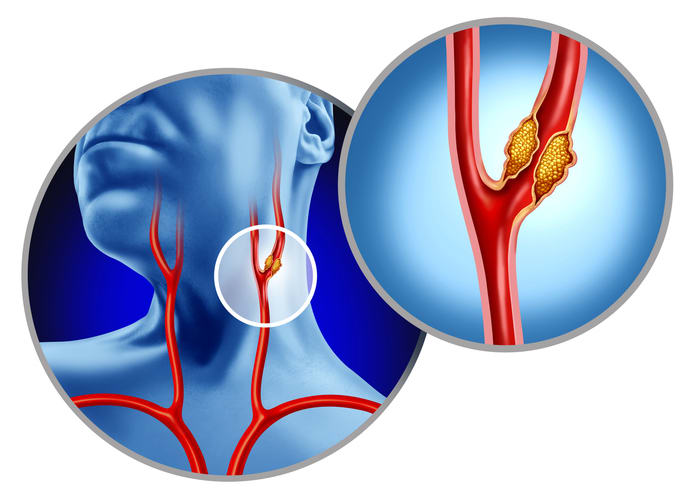
In this procedural case review, vascular surgeon Dr. Samuel Steerman performs a right carotid endarterectomy on a woman in her 60s who experienced a stroke related to carotid artery plaque.