Deciphering immune-inflammatory dysregulation in the endometriotic microenvironment: insights from single-cell omics and artificial intelligence - Report - MDSpire
Clinical Report: Unraveling Immune-Inflammatory Imbalances in Endometriosis
Overview
This report discusses the immune-inflammatory dysregulation in endometriosis, highlighting the role of single-cell omics and AI in understanding the disease's pathobiology. It emphasizes the need for novel biomarker-driven approaches to address the diagnostic challenges associated with endometriosis.
Background
Endometriosis is a chronic inflammatory disorder affecting approximately 10% of reproductive-age women, characterized by the presence of endometrial-like tissue outside the uterine cavity. The disease is associated with significant morbidity, including pelvic pain and infertility, and often suffers from delayed diagnosis due to a lack of reliable non-invasive biomarkers. Understanding the immune mechanisms involved in endometriosis is crucial for developing effective diagnostic and therapeutic strategies.
Data Highlights
No numerical data or trial data available in the source material.
Key Findings
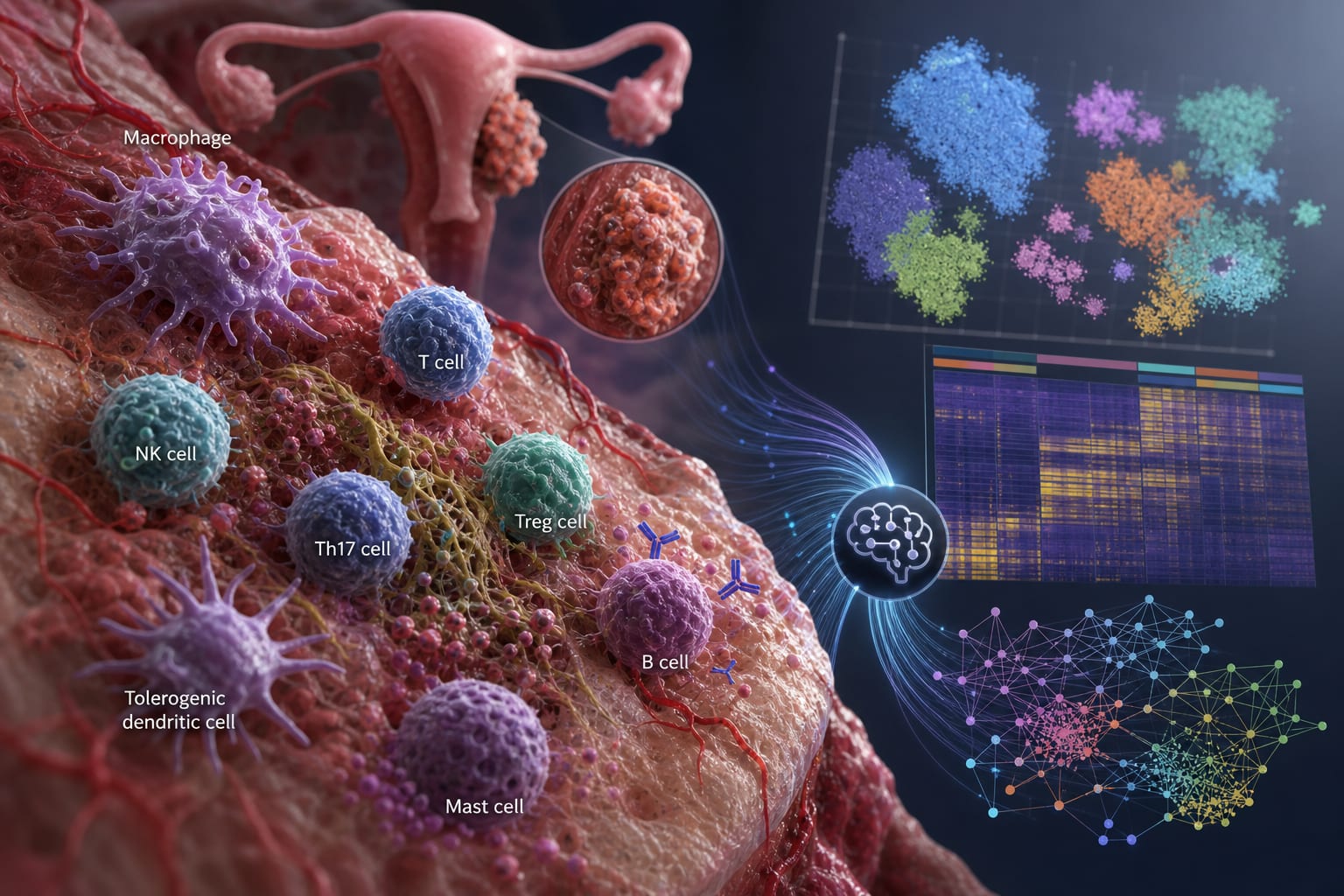
Endometriosis is characterized by immune-inflammatory dysregulation, including altered macrophage polarization and impaired NK cell cytotoxicity.
Single-cell omics technologies, such as scRNA-seq and spatial transcriptomics, provide insights into the cellular complexity of the endometriotic microenvironment.
AI and machine learning methods are increasingly used to analyze high-dimensional datasets from single-cell studies, aiding in the identification of immune signatures.
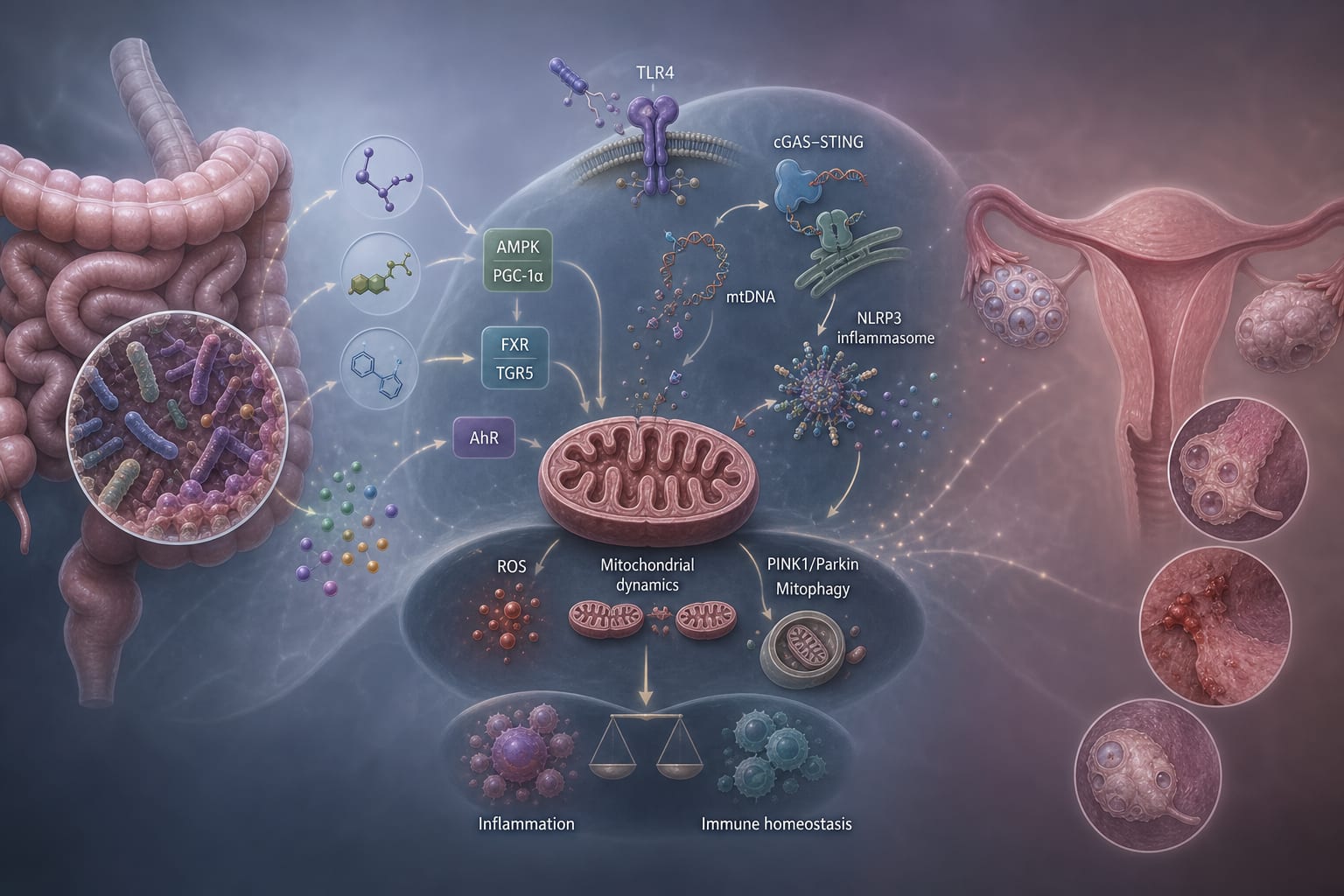
Despite advancements, many regulatory mechanisms in the endometriotic microenvironment remain poorly defined.
There is a critical need for novel biomarker-driven approaches to improve diagnosis and treatment of endometriosis.
Clinical Implications
The findings underscore the importance of integrating advanced technologies like single-cell omics and AI in understanding endometriosis. Clinicians should be aware of the evolving landscape of diagnostic markers and the potential for improved therapeutic strategies based on immune profiling.
Conclusion
The review highlights the complex interplay of immune mechanisms in endometriosis and the promise of innovative technologies in elucidating these processes. Continued research is essential for translating these insights into clinical practice.
Single-nucleus sequencing of menstrual fluid identified epithelial gene signatures and prioritized five candidate biomarkers that warrant validation in larger studies.